
The edge banding machine pre-milling unit eliminates chipped melamine panels by physically removing the fractured edge left by primary cutting tools immediately before the glue application phase. Standard scoring saws often leave micro-chips.
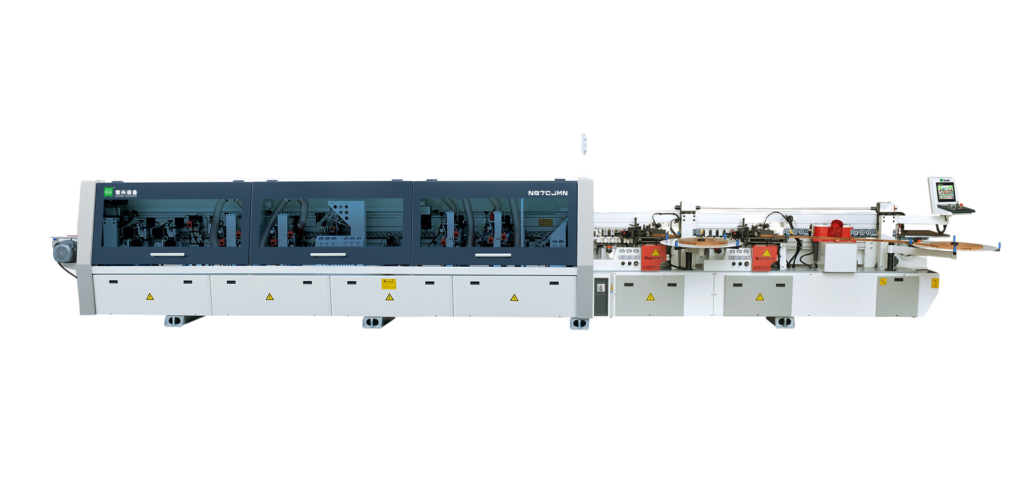
Pre-milling stations equipped with polycrystalline diamond (PCD) cutters shear off the outer 1-2mm of the board to ensure a perfectly flush and invisible zero-glue-line finish for high-volume East African furniture factories.
| Operational Metric | Standard Edge Bander Configuration | Pre-Milling Edge Bander Configuration |
|---|---|---|
| Edge Preparation Method | Relies on external panel saw accuracy | Integrated PCD shearing (1-2mm removal) |
| Average Panel Reject Rate | 5% to 8% due to surface micro-chipping | Less than 1% through surface restoration |
| Joint Aesthetic Quality | Visible glue lines and adhesive pooling | Seamless zero-glue-line finish |
| Tooling Service Life | Short lifecycle carbide cutters | PCD tooling with 50x greater longevity |
| Post-Process Labour | High manual sanding requirements | Zero manual rework required |
Chipping Risks in Melamine Panel Production and Pre-milling Solutions
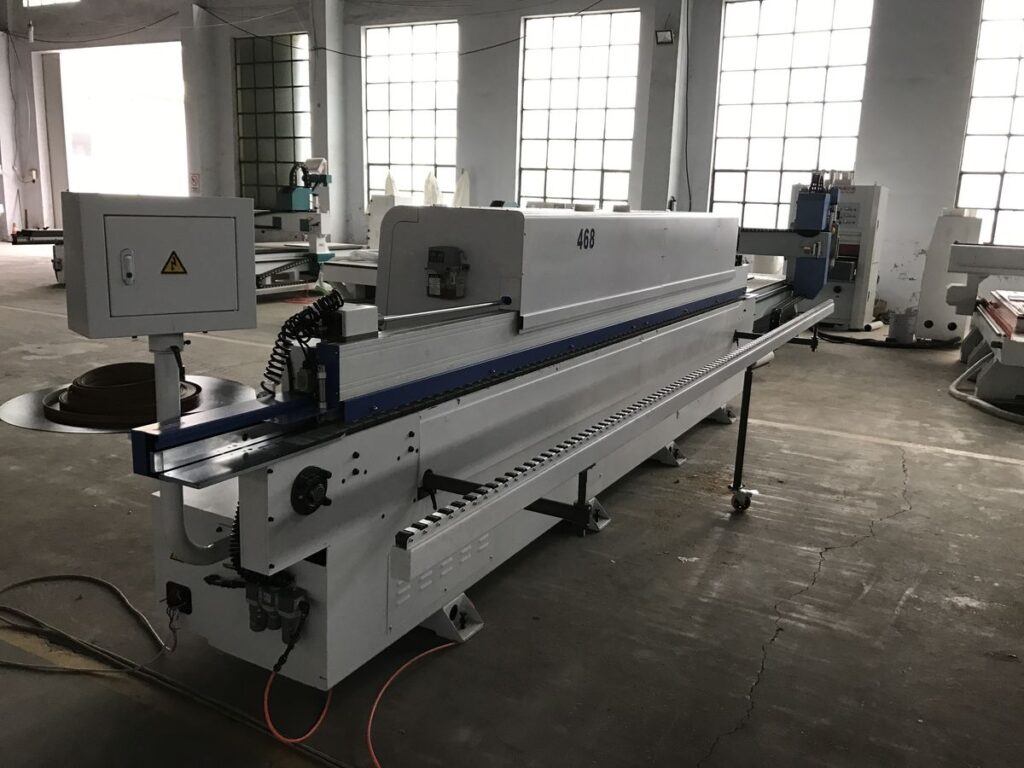
The process of cutting melamine-faced particleboard or MDF with standard panel saws inherently stresses the brittle surface laminate. Dull blades or varying board densities frequently cause edge chipping.
These defects translate directly into poor edge band adhesion and visible product flaws. Implementing a pre-milling station provides a pristine and perfectly square surface for the edge tape to bond against securely.
AOE supplies machinery that integrates these stations to ensure that every panel enters the gluing zone with a factory-fresh edge regardless of the initial cut quality.
Technical Performance Standards of Industrial Pre-milling Stations
Industrial pre-milling units utilise twin high-frequency motors spinning in opposite directions at speeds reaching 12,000 RPM. The first cutter performs climb-milling on the leading edge to prevent breakout.
The second cutter uses conventional milling on the trailing edge. This synchronised mechanical action guarantees tear-free processing across different board compositions.
High-output factories in Nairobi and Mombasa rely on this dual-motor configuration to maintain feed rates of 18 to 24 metres per minute without compromising edge geometry.
PCD Tooling Standards for High Volume Edge Banding
Polycrystalline Diamond (PCD) cutters represent the industrial standard for abrasive materials like MFC and dense chipboard. These tools outlast conventional carbide routers by up to fifty times.
This durability reduces machine downtime for tool changeovers. Production managers benefit from sustained cut quality over thousands of linear metres. Quality industrial saw blades and milling heads maintain strict tolerance levels across high-capacity batch runs to keep the production cycle consistent.
Adhesive Application for Zero Glue Line Finishes
A perfectly milled edge changes how the adhesive behaves during the application stage. The pre-milled substrate is entirely flat. The glue roller applies a microscopic and uniform layer of EVA or PUR adhesive without pooling in chipped voids.
This tight tolerance compresses the edge band directly against the board core. Manufacturers achieve the zero-glue-line aesthetic demanded by modern commercial clients by ensuring the substrate and tape meet at a molecular level with no air gaps.
Financial Returns of Integrated Pre-milling Technology
Quality control rejections drop to near zero when workshops integrate pre-milling into their primary workflow.
Factory engineers calculate the return on investment by quantifying the reduction in wasted boards and the elimination of manual edge sanding.
Integrated automation through an CNC nesting router or a high-spec edge bander ensures faster final cabinet assembly times. Consistent edge quality prevents costly on-site installation snags and protects factory profit margins.
Capital Investment and Machinery Financing in East Africa
Capital expenditure on advanced edge banding technology requires strict financial justification based on factory throughput data. East African workshop owners evaluate both the upfront machine price and the ongoing reduction in operational material wastage.
Long-term profitability relies on selecting equipment that matches the specific production scale of the facility. Advanced 6-sided drilling and edge banding lines provide the necessary speed to justify the initial machinery cost within eighteen months of operation.
Operational Cost Analysis for Modern Edge Banders
Evaluating the total cost of ownership requires looking beyond the initial purchase order. Operational expenses include power consumption, tooling maintenance, and spare parts.
Factories migrating to pre-milling machines experience lower material wastage and significantly reduced labour costs allocated to manual rework.
The use of high-efficiency motors reduces the kilowatt-per-panel cost in regions with high electricity tariffs.
Investment Justification for Premium Cabinetry Contracts
Corporate clients and upscale residential developers expect strict international-grade cabinetry finishes. Demonstrating zero-glue-line capability allows local manufacturers to secure high-value contracts previously awarded to imported furniture suppliers.
Higher profit margins generated by these premium projects accelerate the depreciation schedule of the machinery. Quality finishes act as a marketing tool that demonstrates technical competence to architects and interior designers.
Equipment Financing Models for Kenyan Woodworking Factories
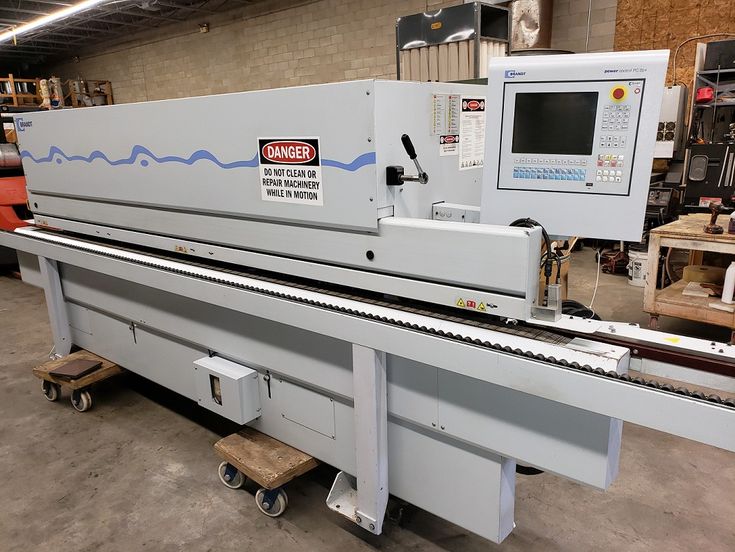
Capital outlay for heavy industrial edge banders can strain operational cash flow for growing manufacturing workshops.
Regional asset financing structures allow manufacturers to acquire pre-milling technology while matching monthly payments against improved production revenues.
Interested parties can seek a machinery consultation Kenya to explore specific leasing agreements tailored for the manufacturing sector. These structures help businesses maintain liquidity while upgrading their technical capabilities.
Workflow Integration and Facility Infrastructure for Pre-milling
Installing a high-speed pre-milling unit requires specific facility infrastructure adjustments to guarantee optimal operation.
The milling process generates significant fine particulate matter. Factories must install high-velocity dust extraction systems to keep the glue pot and sensitive optical sensors clean.
Proper workshop layout ensures efficient material handling before and after the edge banding process.
Production Line Optimisation for Automated Edge Banding
Upgrading a production line dictates a strategic review of board handling protocols and current extraction capacities.
Engineers must verify that the existing compressed air supply delivers clean and dry air at consistent pressures to actuate the pre-mill pneumatic components reliably.
Aligning the panel saw output directly with the edge bander infeed optimises the overall workshop material flow. Managers can find more production tips Africa regarding facility layout on the AOE technical blog.
Technical Skill Requirements for Edge Bander Calibration
Machine operators require targeted technical instruction to calibrate pre-milling depths effectively. Adjusting the infeed fence to remove exactly 1mm or 2mm dictates the final dimensions of the cabinet components.
Proper training ensures operators can troubleshoot tooling wear and adjust spindle heights to maintain optimal board contact without intervention from senior engineers.
Professional calibration is essential for maintaining the zero-degree squareness required for PUR adhesive applications.
Maintenance Schedules for High Speed Milling Motors
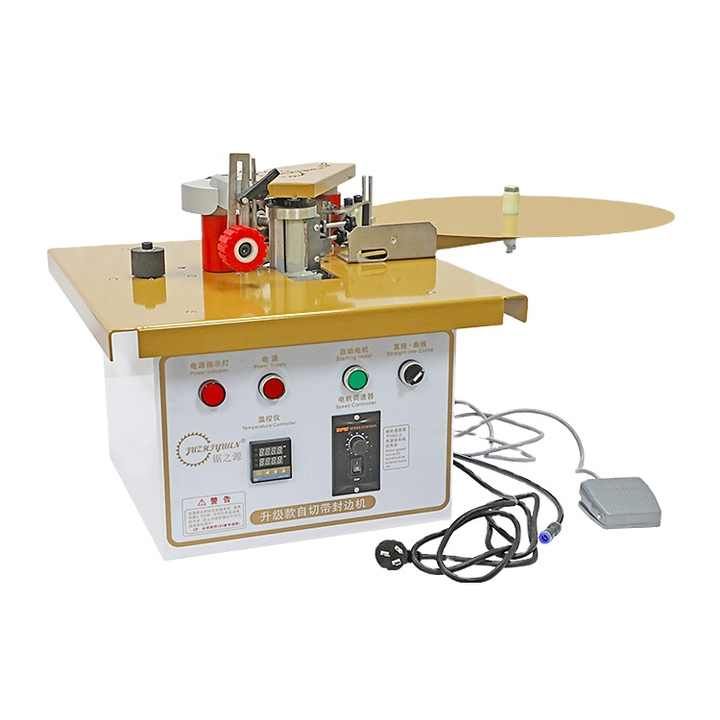
Industrial machinery longevity depends on executing strict and documented maintenance protocols. Technicians must clean the pre-mill spindles daily.
Monitoring the high-frequency motor bearings for abnormal vibration prevents unplanned downtime. Routine technical inspections of the PCD cutter heads prevent tool failure and safeguard the precision of the entire edge banding operation.
Regular checks on the pneumatic pressure regulators ensure the pre-milling units engage the board with consistent force.
Uptime Management and Technical Support in East Africa
Unplanned downtime impacts production schedules and client delivery commitments. AOE provides localised technical support across East Africa to ensure that factory floor disruptions remain at absolute minimums.
Rapid access to replacement PCD cutters and drive belts keeps high-output edge banders running at peak commercial capacity.
Manufacturers can direct machine inquiries to the AOE support team for emergency technical assistance or spare parts procurement.
Market Competitiveness through Superior Edge Finishing
The modern East African furniture market rejects visible adhesive lines and chipped edges. Equipping a factory floor with pre-milling capabilities elevates the final product quality to international standards.
This technological advantage positions local manufacturers to dominate commercial fit-out tenders through superior aesthetic delivery and high-volume reliability.
Precision finishing reduces the time spent on site during installations because every panel fits perfectly with its neighbour.
Engineering Consultation for Factory Scale Up
Upgrading a factory line requires accurate capacity planning and precise machinery specification to guarantee ROI. AOE engineering consultants assess current panel saw accuracy and board processing volume to recommend the ideal edge bander configuration.
Expert consultation ensures that capital investment translates into measurable production efficiency and elevated workshop profitability.
Selecting a reliable machinery supplier Kenya provides the foundation for long-term industrial growth.
Industrial Equipment Recommendations for Scale Growth
Factories with production volumes exceeding 100 panels per day must specify an edge banding machine equipped with a PCD pre-milling unit.
The immediate elimination of manual edge rework delivers a definitive commercial advantage. The reduction in rejected melamine panels pays for the tooling costs within a few months of operation.
This configuration is a mandatory upgrade for any serious manufacturer aiming for the premium furniture market.