
Implementing a corner rounding edge bander eliminates sharp, unfinished cabinet extremities by mechanically profiling 1mm to 3mm PVC tapes at production speeds exceeding 20 metres per minute.
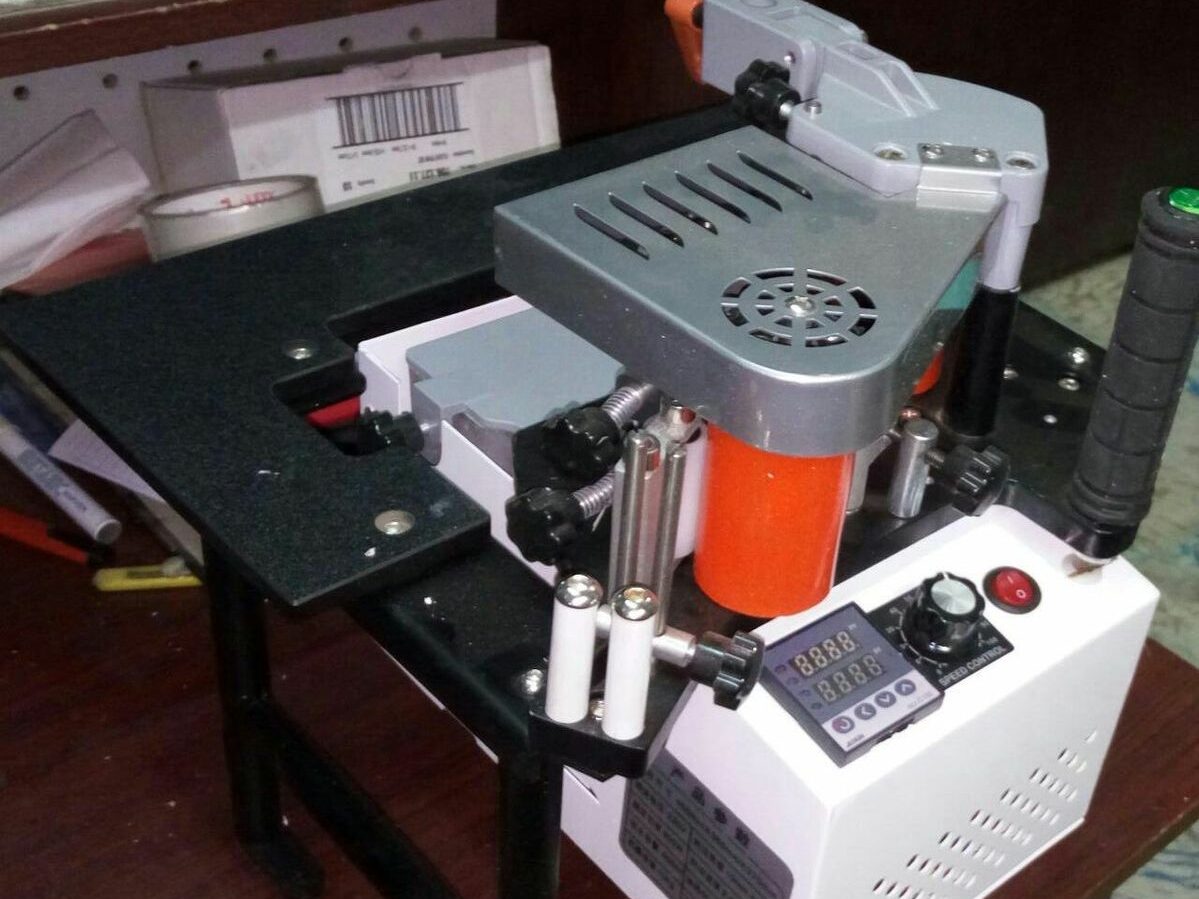
Factory owners across East Africa find that replacing manual filing stations with automated profiling instantly resolves finish inconsistencies and reduces labour bottlenecks on the shop floor.
Modern furniture manufacturing requires precision that manual processes cannot match.
| Operational Metric | Manual Bench Finishing | NB670N Automated Edge Bander |
|---|---|---|
| Feed Rate | Non-linear (Manual) | 18 to 26 Metres Per Minute |
| Edge Material Range | 0.4mm to 1mm PVC | 0.4mm to 3mm PVC/ABS/Acrylic |
| Corner Profiling Method | Hand-held router | 4-Motor Synchronised Tracking |
| Labour Requirement | 3 Operators per station | 1 Machine Technician |
Technical Engineering Standards for Corner Rounding Edge Banding Machinery
Industrial edge banding machine units require robust internal components to handle continuous shift work in challenging factory environments.
Heavy-duty chassis construction absorbs the mechanical vibrations generated by high-speed milling blocks.
This stability ensures panel edges remain perfectly aligned against the glue roller throughout the entire cycle. AOE provides technical specifications that prioritize structural rigidity for long-term accuracy.
Feed Track Velocity and Throughput Efficiency Standards
High-capacity feed tracks pull heavy MDF and plywood panels through the machining stations with unyielding grip and precise timing.
Variable frequency drives allow workshop engineers to synchronise track speeds with specific adhesive curing times. This synchronisation prevents premature peeling on complex custom cabinetry runs.
The mechanical pressure beams maintain constant downward force to prevent panel slippage during high-velocity milling.
Engineering Precision in Corner Radius and Profile Finishing
Manual corner trimming consumes minutes per panel and yields inconsistent, jagged profiles that fail quality control inspections.
The NB670N edge banding unit solves this by utilising 4-motor high-speed corner rounding technology to finish thick PVC and acrylic edges in seconds.
This technology bypasses the need for manual filing. Precision sensors detect the board edge and engage the cutters at the exact millimetre required for a flush finish.
Automated Workflow Integration for Reduced Operational Overhead
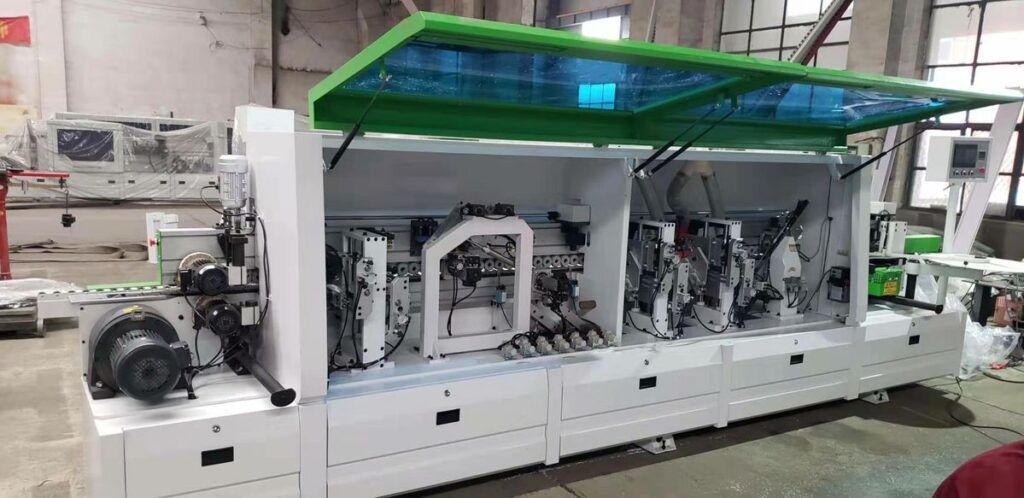
Transitioning from manual edge routing to automated profiling fundamentally restructures workshop economics. Operators load the panel once.
The PLC-controlled track then executes end-cutting, rough trimming, fine milling, and corner rounding in a single, uninterrupted pass.
Integration with Guigui software allows for better part tracking and edge specification management across the production floor.
Sequence Analysis of Automated Edge Banding Stations
Modern edge banding arrays sequence multiple pneumatic workstations to act on the panel at microsecond intervals. Precision optical sensors detect the leading and trailing edges of the board.
These sensors trigger the corner rounding motors precisely when the panel enters the cutting zone. High-frequency motors reaching 18,000 RPM ensure the finish is smooth enough to eliminate additional sanding steps.
Operational Impact of Automated Profiling on Labor Allocation
Automated corner rounding reduces the man-hours previously dedicated to hand-finishing cabinet doors. Workshop managers reallocate these skilled workers to assembly and quality control.
This reallocation doubles daily throughput and lowers the operational cost per panel. The shift from manual labour to machine operation increases safety and reduces fatigue-related errors.
Material Compatibility and Surface Quality Standards for Edge Finishing
Versatile machining centres must adapt to the fluctuating material supplies available in East African timber markets.
Advanced tracking pads safely transport delicate high-gloss boards, textured melamine, and raw plywood without leaving pressure marks.
This adaptability is essential for machinery supplier Kenya standards where diverse substrates are common.
Substrate Flexibility and Adhesive Application Parameters
Tooling flexibility enables factories to swap between brittle 0.4mm melamine tape and rigid 3mm ABS edge bands with minimal machine downtime.
Heated in-feed fences precondition the board edge. This preconditioning ensures uniform glue penetration regardless of the core material density or local ambient temperature drops.
Maintaining a consistent 180 to 200-degree Celsius glue pot temperature ensures bond strength across different board types.
Post Processing Stations for High Grade Finish Standards
Radius scraping units follow the corner rounding station to remove residual marks left by the milling cutters. Heavy-duty buffing wheels then polish the machined PVC edge.
This polishing restores colour consistency and delivers a factory-grade aesthetic. High-end interior designers demand this level of finish for luxury residential projects.
Smart Changeover Systems for Flexible Cabinet Production
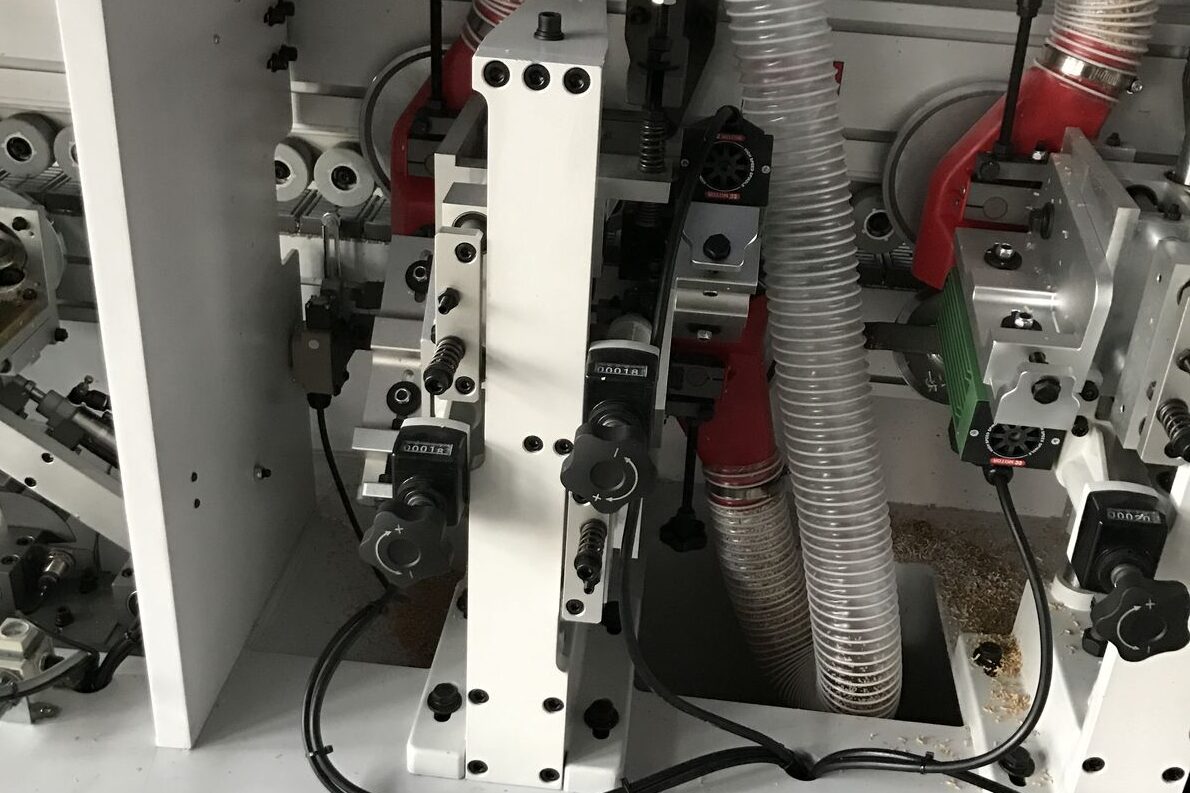
Touchscreen control interfaces empower machine operators to switch between complex cutting profiles instantly. Pneumatic servo motors adjust the milling heads to exact tolerances.
These adjustments eliminate the trial-and-error manual wrench adjustments that waste expensive panel materials. Digital calibration keeps the production line moving with minimal interruption.
Implementing Batch-of-One Production in Modern Furniture Factories
Custom furniture makers face constant variations in cabinet dimensions and edge tape specifications. Smart edge banders read barcode labels on incoming panels to adjust the glue application rate and corner routing depth for each unique piece.
This capability allows a factory to process a kitchen island followed by a small wardrobe shelf without stopping the machine. Coordination with a CNC nesting router allows for a fully digital workflow from design to finished edge.
Calibration Protocols for Material Yield Optimization
Digital position indicators ensure calibration accuracy down to a fraction of a millimetre. This precision guarantees the first test board exits the machine flawlessly.
Rapid setup protocols keep the production line moving and prevent raw material write-offs. Efficient tape utilization significantly impacts the monthly overhead of high-volume workshops.
Financial Analysis of Corner Rounding Edge Bander Ownership
Procuring an industrial edge bander requires a calculated analysis of capital expenditure and long-term utility consumption.
Factories must weigh the electrical draw of heating pots against the financial gains of automated daily output.
A comprehensive machinery consultation Kenya can help determine the specific ROI based on current electricity rates and production targets.
Capital Expenditure and Lifecycle Maintenance Projections
High-grade tungsten carbide KWS tooling represents an ongoing maintenance cost but outlasts standard steel cutters by a massive margin.
Regular cleaning of the glue pot and pneumatic air lines prevents component blockages. These maintenance steps keep annual budgets predictable.
AOE recommends service intervals every 1,500 to 2,000 production hours to maintain mechanical integrity.
ROI Projections for Automated Cabinet Production Facilities
Capital recovery accelerates when factory defect rates drop and delivery schedules shorten. The transition to automated edge banding usually sees a full return on investment within 12 to 18 months of double-shift operation.
The reduction in rejected panels due to poor corner finishing contributes directly to the bottom line.
Integration Strategies for Scalable Production Environments
Modernising a machine park demands equipment that communicates effectively with existing panel saw units and drilling stations.
Workshop layouts must accommodate robust dust extraction ducting and central pneumatic lines to support continuous operations.
Proper shop floor planning ensures the edge bander receives boards efficiently from the primary cutting area.
Digital Connectivity and Production Line Synchronization
Digital connectivity allows factory managers to track real-time edge banding metrics through a Manufacturing Execution System.
Centralised data collection highlights mechanical bottlenecks. Engineers tweak track speeds to improve overall line synchronisation.
Integration with 6-sided drilling stations creates a seamless flow for flat-pack furniture components.
Modular Scalability and Future Proofing Factory Assets
Modular machinery configurations allow fast-growing factories to add pre-milling or hot-air zero-joint edging stations as market demands evolve.
Investing in an adaptable chassis ensures the edge bander remains technically relevant for a decade of intense daily production.
Staying updated via a machinery blog helps managers anticipate technology shifts before they occur.
Regional Installation Standards and Technical Support in East Africa
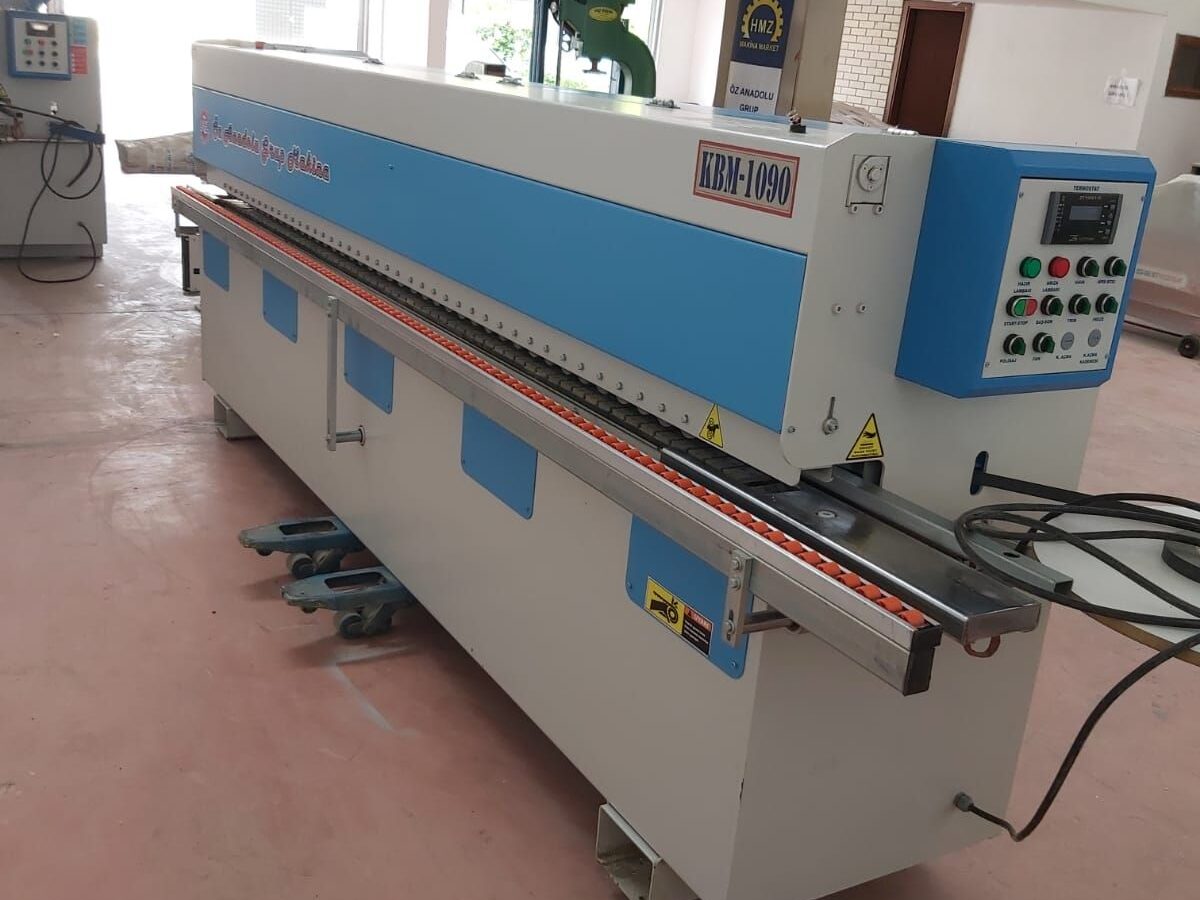
Deploying complex woodworking machinery requires meticulous environmental controls and stable industrial power grids.
Localised technical interventions prevent minor electrical faults from escalating into permanent mainboard failures. AOE focuses on ensuring machines are tuned for local conditions.
Pre Installation Protocols and Operator Skill Development
Technicians calibrate each installation to address local shopfloor voltage variability and high ambient dust levels.
Rigorous training modules instruct machine operators on proper adhesive temperature management and pneumatic pressure regulation. These skills are vital for maintaining perfect edge adhesion and machine longevity.
Maintenance Logistics and Spare Parts Inventory Management
Waiting for imported replacement parts paralyses factory output and damages commercial reputations. AOE maintains an extensive inventory of milling cutters, buffing wheels, and electronic sensors within East Africa.
This local stock guarantees rapid deployment and immediate mechanical repairs when components reach their wear limits.
Strategic Partnership for Advanced Edge Banding Solutions
Securing a dominant position in the regional furniture market requires precision machinery that outpaces competing workshops.
AOE delivers industrial-grade edge banding platforms engineered for the rigours of high-volume African manufacturing environments.
Professional engineering support ensures that every unit performs to factory specifications.
Engineering Verdict
Upgrading to 4-motor corner rounding technology transforms product quality and reduces structural unit costs.
Workshop managers serious about scaling production should replace manual routing stations with the NB670N automated edge banding solution.
This investment provides the consistency and speed required for modern industrial manufacturing.