
A rigorous edge bander maintenance routine directly eliminates glue pot blockages and ensures continuous production throughput for East African furniture factories in 2025. Production managers face high rework costs when carbonised EVA glue restricts the applicator roller.
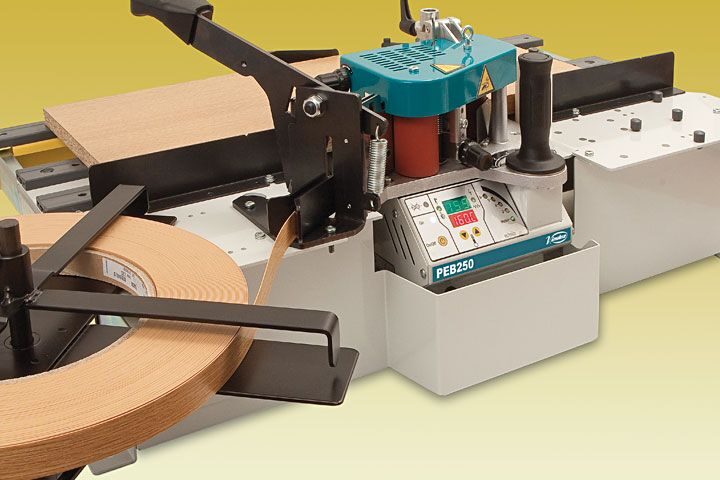
Accurate temperature management and daily scraping are critical for maintaining batch uniformity across various shifts. Factories that invest in high-quality edge banding machines must adopt these technical protocols to protect their capital investments.
| Operational Metric | Standard Reactive Approach | Proactive AOE Maintenance Protocol |
|---|---|---|
| Glue Pot Service Life | 12 to 18 Months | 36 to 60 Months |
| Adhesive Waste % | 15% due to charring | Less than 3% via thermal control |
| Unscheduled Downtime | 4 to 6 hours per week | Less than 30 minutes per week |
| Edge Bond Strength | Variable (Heat dependent) | Consistent high-tensile bond |
Critical Factors Impacting Edge Bander Glue Pot Reliability
High-volume panel processing demands consistent adhesive application across hundreds of linear metres per shift. Unchecked glue pots rapidly accumulate hardened residue.
This buildup compromises the mechanical rotation of application rollers and degrades the thermal efficiency of the heating elements. Most modern Nanxing edge bander models require a clean reservoir to maintain the precision of the glue application thickness.
Visual Indicators of EVA Glue Carbonisation
Operators must actively monitor the physical state of the EVA adhesive during operational hours. Dark brown or black streaks appearing on the glue roller indicate active charring within the reservoir.
An unexpected increase in adhesive viscosity or a noticeable burning odour on the shop floor serves as an immediate warning of thermal degradation. These signs often precede a total failure of the applicator drive motor.
Primary Causes of Industrial Adhesive Blockages
MDF and particleboard processing generates fine particulate dust that inevitably settles into open glue pots. This wood dust mixes with molten EVA adhesive to create a thick sludge that polymerises onto the pot walls and heating sensors.
Debris from a panel saw Kenya environment can easily contaminate the adhesive if the machine covers are not properly maintained. Leaving the edge bander at full operating temperature during extended shift breaks drastically accelerates this carbonisation process.
Standard Operating Procedures for Preventative Edge Bander Maintenance
Structured maintenance schedules transition a workshop from reactive repairs to proactive machine management. Assigning specific cleaning intervals guarantees that adhesive buildup never reaches a critical mass that could seize the drive motor.
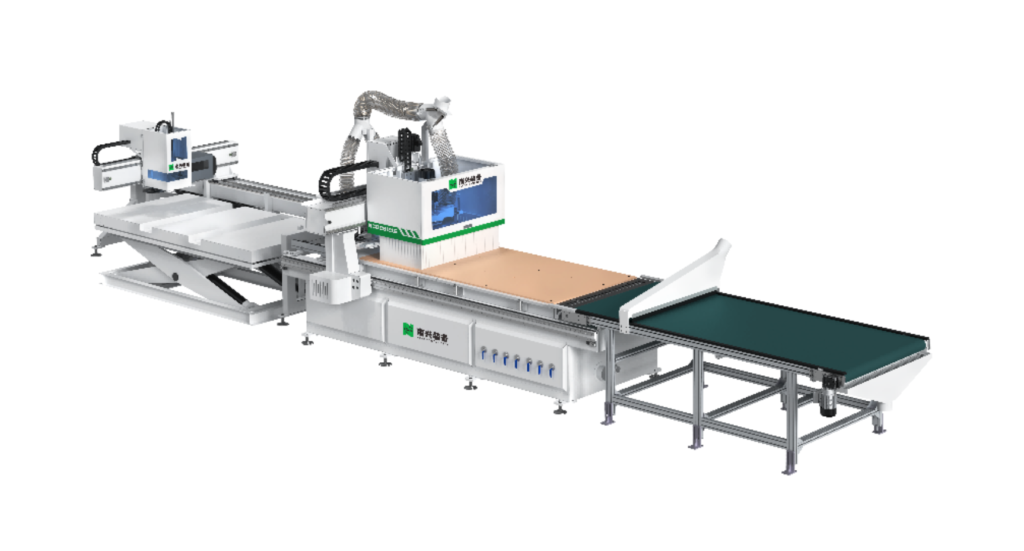
This systematic approach is as vital as the calibration of a CNC nesting router for high-precision cabinetry.
Essential Daily Inspection Steps for Technical Operators
Technicians must purge excess glue from the roller and scraper blade at the end of every production shift. Applying a light coat of high-temperature release agent to the exposed metal surfaces prevents residual adhesive from hardening overnight.
Operators should also verify that the pneumatic pressure system supplying the glue gate operates without hesitation. Reliable KWS tooling and clean scrapers ensure that the final edge finish remains smooth.
Comprehensive Weekly Deep Cleaning Protocols for Glue Reservoirs
Weekly deep cleaning requires isolating the machine from mains power and partially draining the primary glue reservoir. Workshop engineers must use designated wooden or brass scraping tools to carefully remove carbonised layers.
This technique prevents scoring the Teflon coating inside the pot. Regular cleaning ensures that the heating sensors provide accurate feedback to the control system.
| Maintenance Task | Frequency | Target Component | Expected ROI Benefit |
|---|---|---|---|
| Surface Residue Scraping | Daily End of Shift | Applicator Roller and Gate | Prevents overnight glue hardening |
| Standby Temperature Drop | During Breaks | Heating Elements | Eliminates EVA charring and energy waste |
| Reservoir Deep Clean | Weekly | Glue Pot and Sensors | Maintains accurate thermostat readings |
| Lubrication Check | Bi-Weekly | Chain Track and Bearings | Ensures square edges and smooth feeding |
Adhesive Management Protocols for High Performance Edge Banding
Thermal regulation directly dictates the chemical stability of woodworking adhesives. Factory supervisors must calibrate machine thermostats to match the specific melting point parameters of their chosen EVA glue brand. Failure to match these settings leads to weak bonds or excessive cleaning requirements.
Optimising Glue Pot Temperature Settings and Monitoring
Burned EVA glue restricts the applicator roller and causes severe application inconsistencies. Dropping the glue pot temperature to 150 degrees Celsius during 30 minute standby periods prevents charring.
Modern PLC controllers on 6-sided drilling and edge banding lines allow operators to programme automatic temperature reductions. This automation safeguards the adhesive during tea breaks or tool changes.
Effective Glue Pot Cleaning Techniques and Residue Removal
Aggressive metal tools easily scratch the protective non-stick linings applied to OEM glue pots. Maintenance crews should utilise manufacturer-approved cleaning granules. These granules run through the system to absorb and flush out old EVA residue.
Heat-resistant gloves and dedicated brass brushes remain mandatory personal protective equipment during this extraction phase. Using Guigui software to plan production batches can help group similar materials together to minimize adhesive changes.
Operator Training and First Line Troubleshooting Guides
Machine longevity relies heavily on the technical competence of the daily operator. Proper training ensures the workforce understands the mechanical relationship between adhesive viscosity, roller speed, and ambient workshop temperature.
Managers should encourage staff to read the machinery blog resources provided by technical partners to stay updated on best practices.
Operator Responsibilities in Daily Maintenance Routines
Operators hold the frontline responsibility for documenting temperature anomalies and reporting unusual motor noises. Mandating a daily sign-off sheet creates accountability on the factory floor.
This process forces visual inspections of the glue dosage gate before power-up. Regular reporting helps identifying wear patterns before they cause a complete production halt.
Troubleshooting Common Edge Bander Malfunctions
Operators must immediately check the thermostat display for faulty temperature sensor readings when an applicator roller seizes. If the panel edges show spotty glue coverage, the technician should verify the pneumatic cylinder controlling the applicator pad.
Blocked air lines often cause pressure drops that result in poor adhesion. Rapid identification of these issues reduces the need for external machine inquiries and keeps the line running.
Strategic Impact of Proactive Maintenance on Machine ROI
Capital investments in automated machinery demand strict preservation to achieve forecasted payback periods. Factory owners who enforce strict cleaning protocols drastically reduce their annual expenditure on replacement parts.
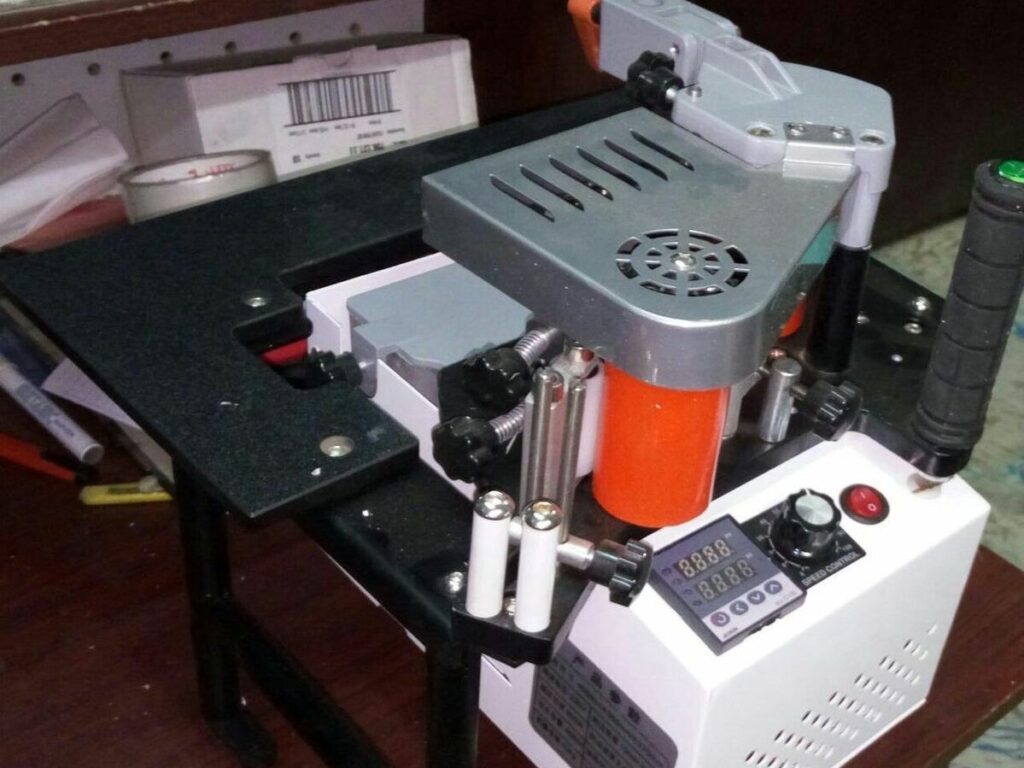
A well-maintained machine retains its resale value and produces higher quality output for longer durations.
Extending Applicator Roller and Heating Element Lifespan
Carbonised glue acts as an insulator. This forces heating elements to draw excess current to reach target temperatures. Keeping the reservoir clean eliminates this thermal barrier.
This practice prevents premature element burnout and protects the expensive roller bearings from adhesive ingress. These small steps significantly lower the total cost of ownership for AOE supplied equipment.
Ensuring Consistent Edge Banding Quality and Finish
Clean glue pots deliver an even, micro-thin layer of adhesive to the panel edge. This consistency results in invisible bond lines. The precise application eliminates panel delamination in humid East African environments.
This directly lowers customer returns and eliminates the need for costly factory rework. High quality finishes are essential for meeting the standards of international furniture buyers.
Sourcing Reliable Edge Bander Spare Parts in East Africa
Regional manufacturers face unique supply chain challenges when importing specialised woodworking machinery components.
Identifying robust local distribution networks ensures that critical parts remain accessible. You can request demo sessions to see how modern machines integrate maintenance alerts into their user interfaces.
The Imperative for Localised Spare Parts Availability
Holding critical edge bander spares in Nairobi, Kampala, or Dar es Salaam prevents minor maintenance issues from escalating into week-long production halts.
Facilities that partner with local distributors bypass customs delays. This strategy maintains high machinery uptime metrics. Access to thermostats, rollers, and heating cartridges within hours is a significant competitive advantage for regional factories.
Responsive Technical Support for Operational Continuity
Localised technical teams understand the impact of regional grid voltage fluctuations on sensitive edge bander electronics. Rapid deployment of OEM-trained engineers ensures that factory floor breakdowns receive accurate diagnostics.
AOE provides technical support that addresses these specific regional challenges. Corrective actions performed by experts prevent recurring failures and extend the operational life of the entire production line.
Maximising Edge Bander Operational Efficiency and Longevity
Strict adherence to a daily edge bander cleaning schedule forms the foundation of profitable panel processing operations. Engineering managers must prioritise standby temperature reductions and frequent residue extraction to protect vital heating elements.
Integrating these specific glue pot maintenance protocols into standard factory operating procedures maximises machine lifespan. Consistent maintenance guarantees superior edge-banding quality and supports the long-term growth of the manufacturing facility.