
A notched edge banding machine automates the complex application of edge tape directly into grooved handle profiles. This technology replaces the slow manual wrapping historically required for J-pull and C-profile doors.
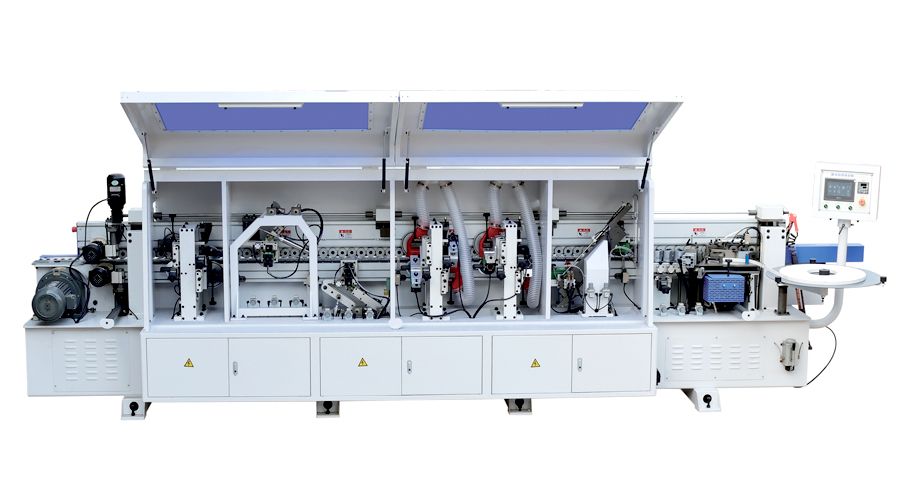
Factory owners in East Africa who adopt an edge banding machine for soft forming significantly increase daily throughput. This mechanical transition eliminates the high rework rates associated with hand-applied edging.
The shift from manual to mechanical processing guarantees batch uniformity and lowers labour costs per unit in high-volume cabinet manufacturing.
| Operational Metric | Manual Profile Wrapping | Automated Notched Edge Bander |
|---|---|---|
| Processing Speed | 15 – 20 minutes per door | Under 15 seconds per door |
| Labour Configuration | 3 Skilled Artisans | 1 Machine Operator |
| Adhesive Technology | Manual Contact Adhesive | EVA or PUR Hot Melt |
| Defect Rate | Approx. 12% (delamination) | Less than 1% (calibrated pressure) |
| Feed Speed | N/A (Static) | Up to 12 – 18 Metres per Minute |
Technical Capabilities of Notched Edge Banding Machines for J-Pull and C-Profile Doors
East African workshops increasingly demand high-end handleless cabinetry. Precise edge application is critical for these designs. Standard flat-edge machines fail when processing J-pull or C-profile grooves. Specialised equipment utilises heated pressure rollers.
These rollers are contoured to the exact profile of the milled groove to apply tape firmly into the recess. Many manufacturers prepare these profiles using a CNC nesting router before the banding stage to ensure geometric accuracy.
Precision Edge Application for Complex Profiles
Operators face significant bottlenecks when attempting to wrap edge tape manually around tight internal radii. A notched edge banding machine solves this by deploying sequential profile scraping and buffing units.
These units conform strictly to the door geometry. Mechanical precision ensures that the tape adheres uniformly without air pockets or stress fractures. The system maintains constant pressure across the entire profile length.
Material Compatibility and Edge Banding Thickness
Production managers must specify the correct tape thickness for soft forming operations. Flexible PVC or specialised ABS tapes between 0.8mm and 1.2mm yield the best results for tight radius bends inside handleless profiles.
High-quality KWS tooling in the pre-milling station ensures the substrate is perfectly smooth before adhesive application. Thicker rigid tapes risk cracking under the extreme pressure of the profile rollers.
Automation Levels and Productivity Gains with Notched Edge Banding Machines
Moving from manual wrapping to automated soft forming alters production timelines. Workshops eliminate the curing delays and manual clamping associated with traditional contact adhesives.
Output scales from a few dozen manually finished doors per shift to hundreds of machine-finished components. High-speed operation allows the facility to meet tight project deadlines for commercial developments.
Evaluating Automation Intensity for Notched Edge Banders
High-intensity factories require equipment with motorised top pressure beams. Multi-axis control allows for rapid profile changeovers. These automated adjustments reduce setup times between different batch runs of J-pull and C-profile doors.
Less manual intervention lowers the risk of operator error during complex feed sequences. The machine logic controls the heating and application parameters automatically.
Quantifying Productivity Improvements Over Manual Processes
Manual application of edge tape to a single grooved door often exceeds fifteen minutes. Automated systems process the same linear metre in under ten seconds at feed speeds averaging 12m/min.
This velocity allows factory managers to reallocate skilled labour to assembly and quality control tasks. The reduction in cycle time directly impacts the factory’s ability to take on larger volume contracts.
Direct Integration of Notched Edge Banding Machines into Existing Production Lines
Upgrading to automated profile edging requires careful spatial planning within the factory floor. Engineers position the soft forming machine downstream from the panel saw and CNC stations.
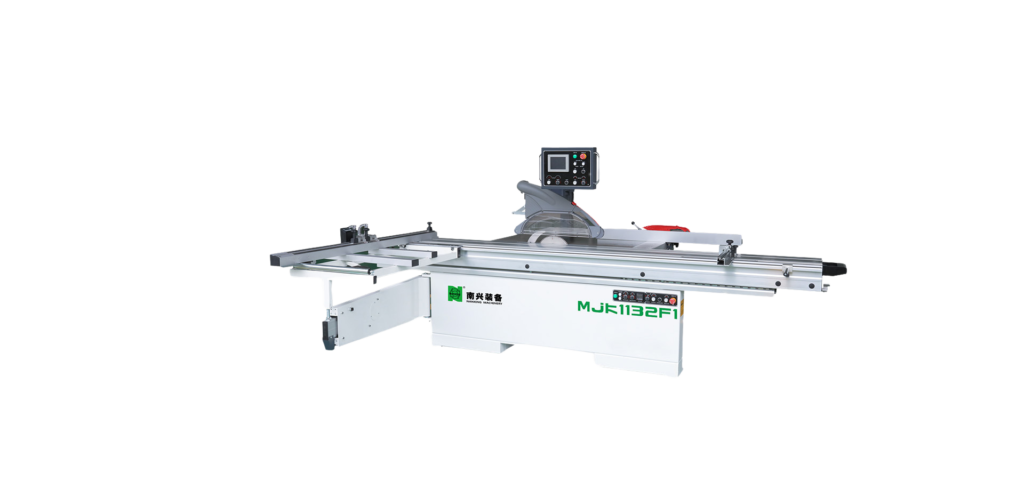
This linear flow minimises material handling and limits the potential for panel damage during transit across the workshop. Efficient floor plans reduce the distance each component travels between processing steps.
Optimising Factory Workflow with Automated Notched Edge Banding
Continuous panel feeding prevents adhesive temperature drops during the production cycle. Return conveyors fitted to the edge bander allow a single operator to manage both loading and offloading of cabinet panels.
This setup maximises floor space efficiency in smaller East African manufacturing units. Integrating the bander with a furniture drilling machine further downstream streamlines the entire assembly-ready process.
Data Exchange and MES Compatibility for Notched Edge Banding Systems
Modern manufacturing execution systems (MES) communicate directly with the edge bander PLC. Guigui software and other CAD CAM solutions generate barcodes that the machine reads at the infeed.
Barcode scanners automatically adjust the profile scrapers and glue pots based on the scan. This data-driven approach ensures exact batch uniformity and tracks material consumption in real-time.
Calculating Total Cost of Ownership and ROI for Notched Edge Banding Investments
Initial capital expenditure on specialised soft forming equipment represents only one aspect of the investment. Factory accountants must evaluate adhesive consumption, power requirements, and the reduction in manual labour costs.
Fast cycle times typically amortise the machine cost within 18 to 24 months for high-volume producers. Long-term savings stem from reduced material waste and the elimination of rework.
Energy Efficiency and Operational Costs of Notched Edge Banding Machines
Industrial edge banders consume significant power to maintain glue pot temperatures. Engineers recommend machines with standby modes that lower adhesive temperatures during idle periods.
This feature prevents glue degradation and saves electricity. These power-management tools combat the high energy costs prevalent in many East African industrial zones. Efficient dust extraction also reduces the load on the machine motors.
Long Term Return on Investment Analysis for Automated Edge Banding Solutions
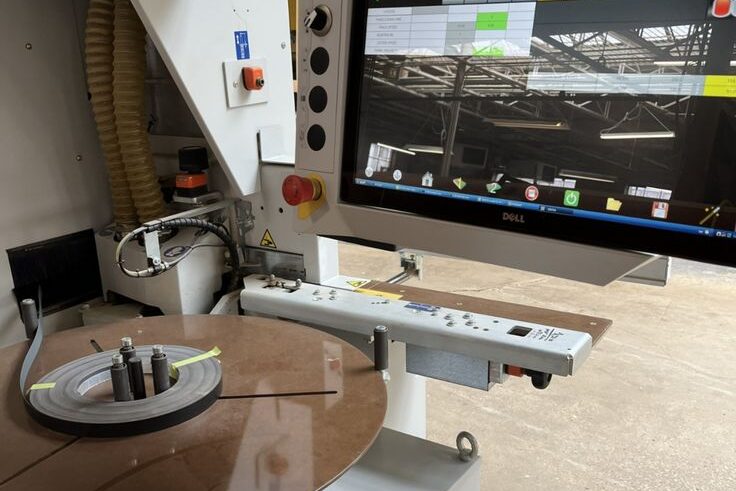
Financial models must factor in the elimination of rejected panels due to edge peeling. Consistent automated application extends the lifespan of the cabinetry. This builds brand reputation and enables workshops to command premium market pricing.
The ROI accelerates as regional demand for modern handleless kitchen designs increases. About AOE research indicates that automated factories in Nairobi and Mombasa see higher retention of high-value developer clients.
After Sales Support and Local Training for Notched Edge Banding Machines in East Africa
Machinery downtime cripples production targets and erodes profit margins. Localised technical support ensures that voltage fluctuations or dust-related sensor faults receive immediate diagnosis.
Technical teams prioritise establishing robust service networks across the East African region to keep factories operational. Regular maintenance schedules prevent the accumulation of adhesive residue in the profile rollers.
Ensuring Spare Parts Availability and Timely Technical Service
Factory managers cannot wait weeks for imported replacement parts. Maintaining a regional inventory of heating elements, buffing wheels, and glue pot sensors guarantees rapid intervention.
This logistical readiness keeps East African production lines running without severe interruption. Accessing a local machine inquiry channel provides quick answers to operational challenges.
Comprehensive Training Programs for Notched Edge Bander Operators and Technicians
Advanced profile edge banding requires specific operational knowledge beyond standard flat edging. Technicians conduct rigorous on-site training focusing on precise roller calibration and glue spread adjustment.
Proper training mitigates machine wear and reduces operational errors. Operators learn to identify the subtle signs of adhesive starvation or temperature fluctuations before they cause defects.
Achieving Consistent Finish Quality and Durability for Handleless Doors
End-users expect flawless aesthetics on high-end contemporary cabinetry. The mechanical pressure applied by the soft forming machine forces the edge tape to match the underlying substrate perfectly.
This eliminates the bubbling and uneven adhesion common in manual applications. The result is a finish that remains stable across different temperature and humidity ranges.
The Role of Notched Edge Banding in Zero-Joint Aesthetic Perfection
Advanced soft forming machines utilise precise pre-milling and exact glue dosage to create an almost invisible glue line. This zero-joint finish replicates the look of solid painted doors at a lower manufacturing cost.
Workshops leverage this aesthetic to compete in the luxury interior fit-out market. The precision of the notched rollers ensures the tape reaches the deepest part of the J-pull curve.
Ensuring Long Term Durability for High Wear Cabinetry
Grooved handles experience constant physical contact and pulling force during daily use. Automated edge banders apply uniform, high-pressure adhesion that locks the tape into the profile recess.
This structural integrity prevents the edge from delaminating under repetitive mechanical stress. The bond quality is superior to any hand-applied alternative.
The PUR Adhesive Advantage for Notched Edge Banding Machines
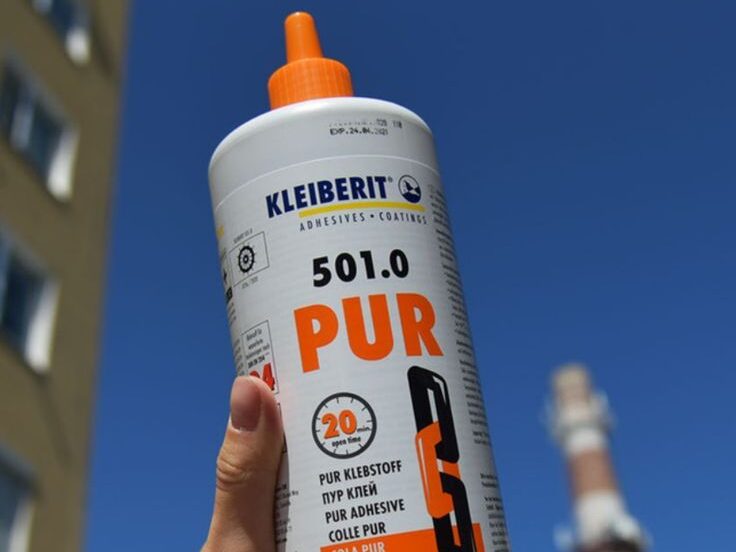
Polyurethane (PUR) adhesives change the performance of soft formed edges. Unlike standard EVA hot melt, PUR undergoes a chemical cross-linking process once exposed to moisture in the air.
This reaction creates a permanent, heat-resistant bond inside the complex J-pull groove. PUR is particularly effective for kitchen and bathroom environments where heat and moisture are prevalent.
Superior Moisture Resistance for East African Climates
High humidity levels in coastal cities often compromise standard cabinetry joints. PUR adhesive provides exceptional waterproofing for the exposed MDF or particleboard core.
Manufacturers who adopt this technology eliminate warranty claims related to moisture expansion. The glue line becomes an impenetrable barrier against environmental factors.
Meeting High End Market Demands with Zero Joint Edge Banding
Architects and property developers specify moisture-resistant cabinetry for modern residential projects. Combining PUR adhesive with automated profile wrapping allows local workshops to meet strict international standards.
This capability secures high-value contracts previously awarded to imported furniture suppliers. Production managers can request a demo to see the PUR application process in real-time.
Navigating Procurement and Installation for Your Notched Edge Banding Solution
Acquiring industrial woodworking machinery requires strict logistical planning. Workshop owners must verify electrical load capacities and secure adequate pneumatic supply lines before the equipment arrives.
Proper preparation prevents delays during the installation phase. A level concrete floor is essential for the multi-station chassis to maintain calibration.
Site Preparation and Machine Installation Requirements
Soft forming machines demand stable environments to operate correctly. Engineers must install robust dust extraction systems directly above the pre-milling and scraping units.
Clean, dry compressed air is mandatory to operate the pneumatic profile rollers efficiently. Inadequate air pressure can lead to inconsistent tape application in deep grooves.
Commissioning and Initial Production Setup
The commissioning phase involves running sample boards to dial in the exact temperature and feed speed for specific handle profiles. Technicians adjust the end-trimming saws to ensure they cut flush without damaging the delicate grooved edge.
This testing guarantees the machine is production-ready. Once calibrated, the machine maintains these settings across thousands of linear metres.
Engineering Consultation for Notched Edge Banding Automation
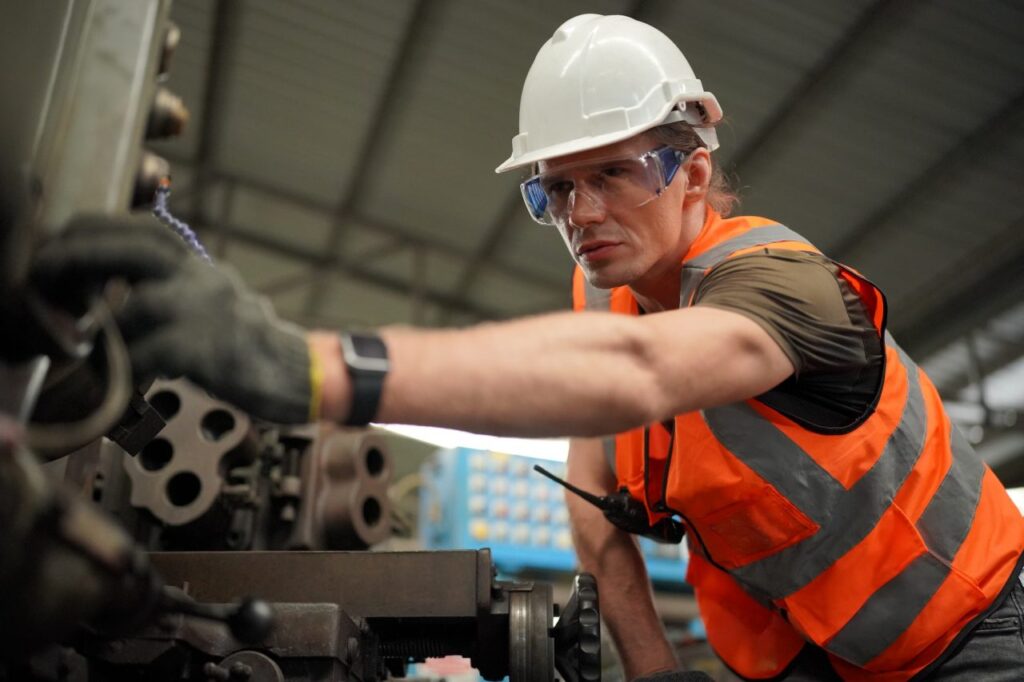
Selecting the correct machine configuration requires professional engineering insight. Detailed factory assessments align equipment specifications with actual production volume and material types.
This analytical approach prevents costly over-specification or under-performance. Experts evaluate the entire production chain to ensure the edge bander integrates with existing machinery.
Request a Technical Demonstration and Factory Audit
Production managers benefit from observing equipment operating under real-world conditions. A factory audit maps existing material flow and identifies bottlenecks where automated soft forming delivers the highest return.
These data-driven evaluations form the basis of a sound capital investment strategy. Seeing the machine handle a difficult J-pull profile provides confidence in the investment.
Customised Automation Solutions for Unique Production Requirements
Every manufacturing facility faces specific constraints regarding space and labour. Engineers design tailored integration plans ranging from standalone units to fully automated production cells.
This customisation ensures maximum throughput tailored to the East African industrial environment. AOE provides the technical framework to transition from manual methods to industrial-scale automation.
Engineering Recommendation
Upgrading to a notched edge banding machine is a structural necessity for workshops producing modern handleless cabinetry at scale.
By abandoning slow, inconsistent manual wrapping methods, East African manufacturers guarantee the zero-joint finish and structural durability that high-end markets demand. This transition drives long-term profitability and factory growth in a competitive regional market.