
The woodworking machine scraping unit serves as a precision micro-plane that removes excess adhesive squeeze-out to produce clean panel edges. East African furniture manufacturers processing high volumes of melamine and MDF use this mechanical intervention to eliminate manual blade scraping.
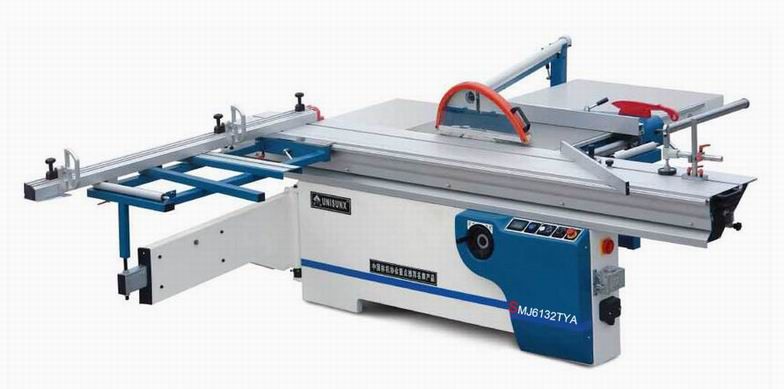
Integrating these units into edge banding machines reduces downstream finishing bottlenecks and lowers labour costs across high-capacity production runs in Kenya and Uganda.
| Performance Metric | Manual Finishing Process | Automated Scraping Unit (AOE Specification) |
|---|---|---|
| Processing Speed | 2 to 4 minutes per board | Synchronised with machine feed (up to 24m/min) |
| Surface Consistency | Variable based on operator fatigue | Mechanical precision within 0.05mm |
| Reject Rates | 8% to 12% due to manual gouging | Less than 1% through pneumatic tracking |
| Adhesive Compatibility | Limited to soft EVA residues | Optimised for both EVA and PUR adhesives |
| Labour Requirement | 3 to 4 dedicated finishing staff | Zero dedicated post-processing staff |
Technical Mechanics of Woodworking Machine Scraping Units
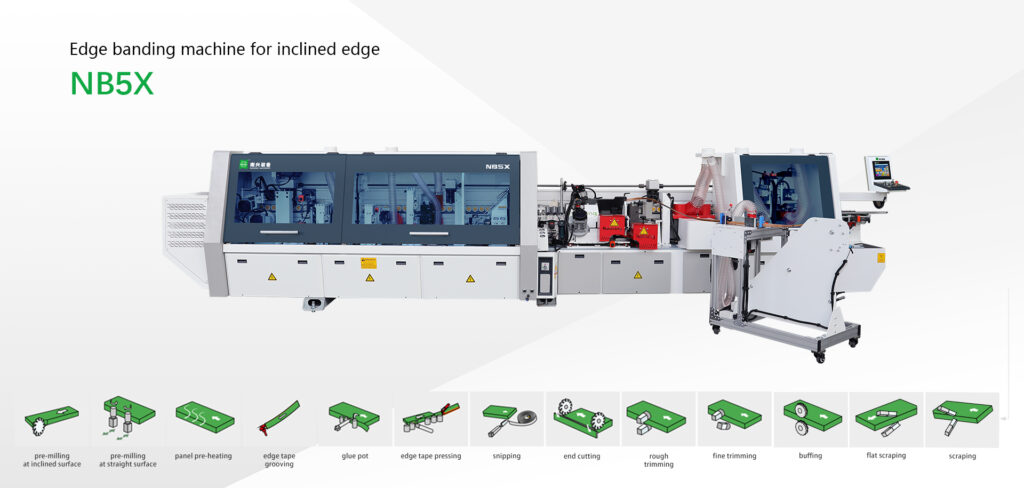
The scraping unit operates immediately after the trimming stations to remove the hardened adhesive bead from the top and bottom of the panel. Buffing wheels often redistribute warm glue across the board face if the unit does not remove this excess first.
The flat scraping unit employs a micro-plane action to shave off glue squeeze-out before the radius scraper blends the machined PVC edge. This sequential mechanical action provides a uniform transition between the board surface and the banding material.
Edge Banding Quality Impacts of Mechanical Scraping
Residual adhesive compromises the visual finish and the long-term durability of cabinetry joints. Workshop engineers use a woodworking machine scraping unit to eliminate micro-gaps and glue lines that trap dust.
Panels processed with this technology exit the machine with a factory-sealed perimeter. This seal helps the panels resist the humid climates found in East African coastal and lake regions where moisture ingress often causes board swelling.
Efficiency Gains Through Automated Glue Scraping Stations
Manual glue removal requires extensive labour hours and introduces the risk of operators damaging the melamine surface with hand tools. Automated scraping stations replace this variable manual process with consistent execution aligned to the primary feed rate of the Nanxing edge bander.
Production managers typically observe a significant drop in panel rejection rates and a marked increase in daily throughput after commissioning these units. The reduction in manual handling also decreases the likelihood of edge chips during the finishing stage.
Maintenance Requirements for Woodworking Machine Scraping Systems
Scraping systems utilize rigid mounting blocks and precision pneumatic cylinders to maintain consistent pressure against the passing panel. Maintenance teams must clear the extraction hoods regularly because the continuous shaving action generates heavy glue strands.
Factory owners minimize operational downtime by stocking replacement KWS tooling inserts. These solid carbide blades maintain their edge through thousands of linear metres of EVA or PUR adhesive processing.
Retrofitting Scraping Units to Existing Equipment
Older edge banding machines operating in regional workshops often lack dedicated flat scraping stations. Engineering teams can retrofit pneumatic scraping modules onto existing machine frames if the chassis offers sufficient mounting space.
This upgrade path extends the operational life of legacy machinery and elevates output quality to match modern commercial cabinetry standards. Technical teams must verify that the workshop air compressor can support the additional pneumatic load of the tracing rollers.
ROI and Competitive Advantages in the East African Market
Factory owners evaluate machinery investments based on tangible cost reductions and quality premiums. A fully equipped edge bander lowers post-processing labour costs and allows manufacturers to bid on high-end commercial fit-out projects.
High-quality finishes are a prerequisite for CNC nesting router workflows where panel accuracy is paramount. The investment in a scraping unit typically achieves a full return within six to nine months through labour savings alone.
Achieving Zero Joint Standards for Modern Cabinetry
Local property developers increasingly specify European-grade cabinetry featuring flush edge transitions. Woodworking machine scraping units provide the tolerance control required to simulate zero joint aesthetics using standard adhesives.
Workshop engineers achieve this by tuning the pneumatic tracing rollers to track panel thickness variations within fractions of a millimetre. This precision is particularly important when working with high-gloss acrylics that highlight even the smallest glue residues.
Performance Parameter Optimization for Edge Processing
Effective glue removal depends on the correct calibration of the scraping station. Operators must balance pneumatic pressure against the panel feed speed to prevent cutter chatter.
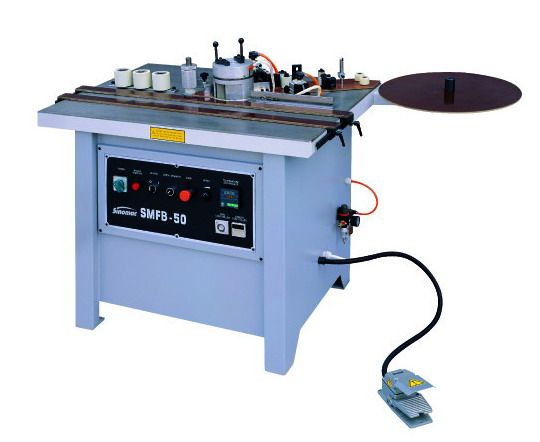
Routine calibration checks ensure the tracking shoes ride smoothly over the panel face without depositing friction marks. Technicians should monitor the wear patterns on the carbide inserts to ensure the scraping angle remains optimal throughout the production shift.
Material Adjustability for Diverse Edge Banding Tapes
Modern scraping heads feature multi-axis micro-adjustment dials to accommodate varying tape thicknesses from 0.4mm melamine to 2mm PVC. Setup technicians calibrate the tracking shoes to ensure the blade engages only the adhesive line.
This protects high-gloss or textured finishes from surface scratches. Rapid changeover capabilities allow production lines to remain efficient when switching between distinct project specifications at the AOE installation site.
Blade Material and Lifespan Considerations
Tungsten carbide is the industry standard for scraping inserts due to its resistance to heat and abrasion. High-volume facilities in Nairobi and Mombasa typically rotate or replace these multi-edge inserts every 30 to 45 production days.
Using inferior steel blades results in rapid dulling and leads to skipped glue lines. Consistent tooling replacement ensures the machine maintains its ability to process abrasive PUR adhesives without compromising feed speed.
Integration and Local Technical Support for Scraping Modules
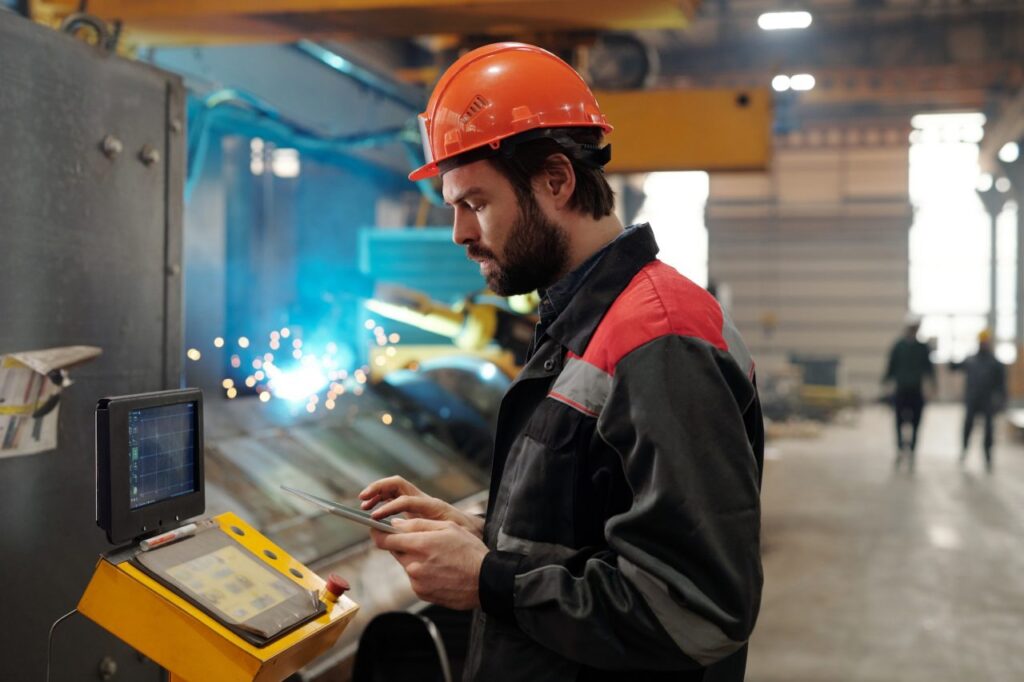
Engineering teams coordinate specific electrical and pneumatic requirements when installing secondary scraping modules. Properly aligned extraction plumbing is critical to remove glue shavings away from the tracing rollers.
Factory technicians monitor air line pressure to guarantee the scraping heads engage at the precise panel edges. Detailed information on machine maintenance can be found on the machinery blog for local operators.
Compatibility with Existing Production Environments
Retrofitting requires matching the scraping unit pneumatic demands with the existing factory compressor network. Technicians assess the edge bander chassis to secure reinforced mounting plates that prevent vibration.
Accurate alignment prevents premature wear on the linear guides and cutter heads. Operators should also ensure that the panel saw output is square to allow the scraping unit to track the edge accurately.
After Sales Service and Technical Assistance in Kenya
Precision machinery requires rigorous local support to combat voltage fluctuations and heavy dust loads common in regional workshops. AOE technicians calibrate each installation on the shop floor and train operators on the correct procedure for indexable blade rotation.
Direct technical intervention ensures the machinery performs at peak efficiency long after initial commissioning. Manufacturers can request demo sessions to see the scraping unit performance on their specific board materials.
Partnering with AOE for Advanced Woodworking Machine Scraping Unit Solutions
East African manufacturing requires robust machinery capable of continuous operation under challenging facility conditions. AOE specifies and installs edge banding systems equipped with heavy-duty scraping modules designed for maximum ROI.
Production engineers rely on these configurations to eliminate manual finishing and scale their factory operations. Investing in these units provides a significant advantage when competing for large-scale residential and commercial contracts in the region.
AOE Engineering Recommendation
Upgrading an edge processing line with a dedicated flat and radius scraping unit is the most direct method to eliminate manual finishing bottlenecks. Manufacturers should invest in stations featuring solid carbide tooling and independent pneumatic control.
These features secure high-grade edge quality across high-volume MDF and melamine batches while reducing the total cost of production.