
Evaluating the panel saw Kenya market for industrial applications reveals a capital requirement ranging from KES 3.5 million to over KES 8.5 million. These systems deliver payback periods under 14 months for high-volume operations.
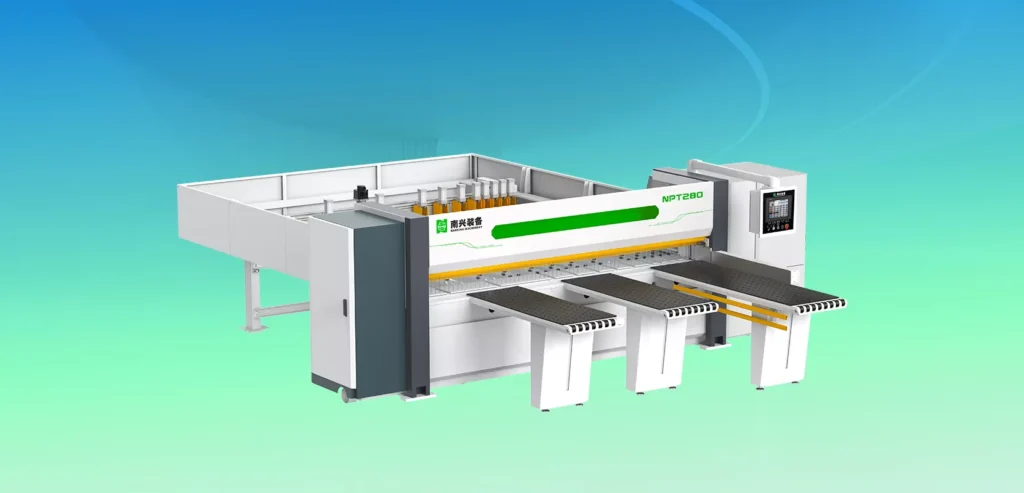
Upgrading from standard manual configurations to heavy-duty beam saws allows Nairobi-based mass-production furniture factories to process stacked sheet materials. This transition cuts operator fatigue and eliminates production bottlenecks in the board-cutting phase.
| Machine Configuration | Estimated Price Range (KES) | Cutting Capacity | Typical ROI Timeline |
|---|---|---|---|
| Entry-Level Industrial Beam Saw | 3.5M – 4.8M | Single or Double Sheet (18mm) | 16 – 20 Months |
| High-Volume Automated Saw (e.g., NPT280) | 5.5M – 8.5M+ | Up to 4 Stacked MDF Boards | 8 – 14 Months |
| High-Speed Rear-Loading System | 9.0M – 12.0M+ | Full Bundle Auto-Loading | 10 – 15 Months |
Factory owners can request a machinery consultation Kenya to determine the exact specification required for their specific production volume.
Determining the right machine involves balancing initial capital expenditure against the long-term reduction in labour costs and material waste.
Technical Specifications and Structural Stability for Panel Dividing Saw Production
Modern industrial beam saws rely on robust cast-iron chassis designs to absorb severe operational vibrations on the factory floor. Machine stability ensures the saw carriage maintains optimal alignment during continuous multi-shift production runs.
The heavy frame prevents torque-related twisting, which is essential when the 18.5kW main motor engages high-density boards at rapid feed rates.
Precision Cutting Accuracy Standards for Modular Furniture Components
Tolerance deviations directly impact subsequent edge banding machine performance and CNC routing processes. These deviations inevitably lead to costly assembly floor rework.
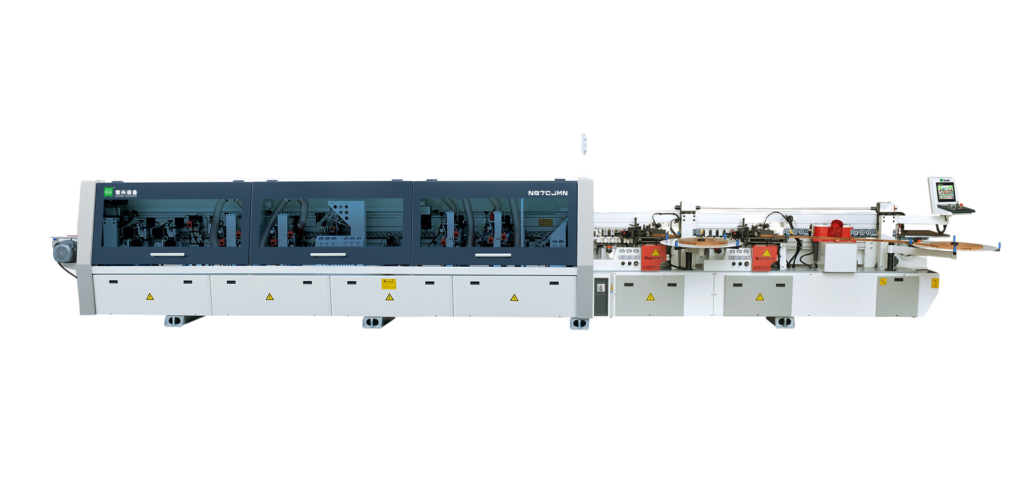
Heavy-duty panel dividing saws maintain cutting accuracies of ±0.1 millimetres across a full 3.2-metre stroke. This precision guarantees square panels for modular cabinet construction and high-end joinery.
Optimising Cutting Dimensions and Capacities for Material Yield
Advanced control software interfaces directly with panel optimisation algorithms to calculate the highest possible material yield from standard 2440x1220mm boards.
Production managers reduce offcut waste by allowing the machine’s computer to dictate the exact cutting sequence and board rotation. Integrating furniture CAD CAM Kenya protocols allows the saw to receive cutting lists directly from the design office, reducing manual input errors.
Automated Material Handling and Hydraulic Loading Systems
Pneumatic grippers and hydraulic rear-loading lift tables remove the physical burden of manhandling heavy particle board sheets. Eliminating manual loading processes accelerates machine feeding intervals and enforces industrial safety standards within the workshop.
These systems allow a single operator to manage the entire cutting cycle for a stack of four boards simultaneously.
Productivity Gains and Operational Efficiency with Advanced Panel Saws
Transitioning to a mechanised panel dividing system alters factory throughput capabilities. Workshops outputting mass modular cabinets achieve strict production quotas without requiring extended overtime shifts or additional floor space.
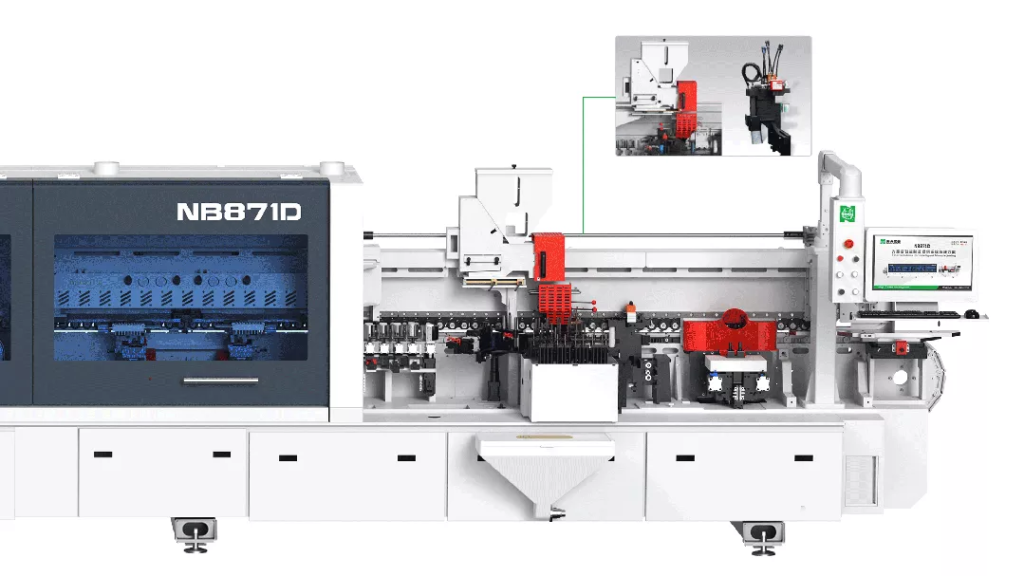
This level of automation is a growing part of manufacturing trends Kenya as local producers seek to compete with imported furniture prices.
Simultaneous Cutting Capabilities and Multi Blade Configurations
The financial argument for equipment upgrades becomes clear when examining the fast ROI of the NPT280 model. This machine allows operators to cut up to 4 stacked MDF boards simultaneously.
This capability saves 75% of cutting time compared to a manual sliding table saw. The use of premium industrial saw blades ensures that even at these speeds, the finish remains chip-free on both sides of the board.
Reducing Cycle Times for High Volume Output
High-speed saw carriage returns operate at speeds up to 120 metres per minute to condense the standard cutting cycle. Automated pusher fences precisely index the panel stacks without operator hesitation.
This creates a relentless processing rhythm that manual machines cannot match. The increased speed allows for higher daily output without increasing the machine footprint.
Labour Reduction and Automation Impact on Production Teams
Relying on manual saws demands multiple skilled operators constantly checking tape measures and manual stops. Automated beam saws shift the labour requirement from physical cutting to efficient material handling.
Factory owners redeploy experienced carpenters to higher-value assembly tasks or 6-sided drilling operations to further streamline the production line.
Total Cost of Ownership and ROI Analysis for Panel Dividing Saws in Kenya
Factory directors evaluate long-term profitability rather than just the purchase price of industrial machinery. Tracking consumable longevity, energy draw, and preventative maintenance creates an accurate five-year projection of capital performance.
A well-maintained beam saw from a reputable machinery supplier Kenya retains significant resale value after years of heavy use.
Initial Purchase Price and Financing Options in the Kenyan Market
Procuring industrial cutting solutions requires navigating structured asset financing through commercial Kenyan banks. Many financial institutions prefer backing heavy-duty production machinery.
The tangible throughput increase practically guarantees loan serviceability through improved cash flow and higher production capacity.
Installation Commissioning and Technical Training Costs
Professional commissioning engineers adapt the machine configuration to handle specific voltage variations common in East African industrial zones.
Rigorous onsite operator training guarantees that the production team maximises the optimisation software right from the first production shift. Proper calibration reduces the wear on critical components during the initial break-in period.
Ongoing Running Costs Energy Consumption and Consumables
Regular expenditure includes replacing diamond-tipped scoring blades and maintaining main saw blades for melamine cutting. Clean, dry compressed air and reliable three-phase power supplies are non-negotiable utilities that impact daily operational budgets.
Choosing energy-efficient motors can reduce monthly electricity costs by up to 15% during peak production periods.
Technical Support and Spare Parts Availability in Nairobi
Machine downtime erodes profit margins in tight-deadline manufacturing environments. AOE engineers provide rapid-response technical support across East Africa.
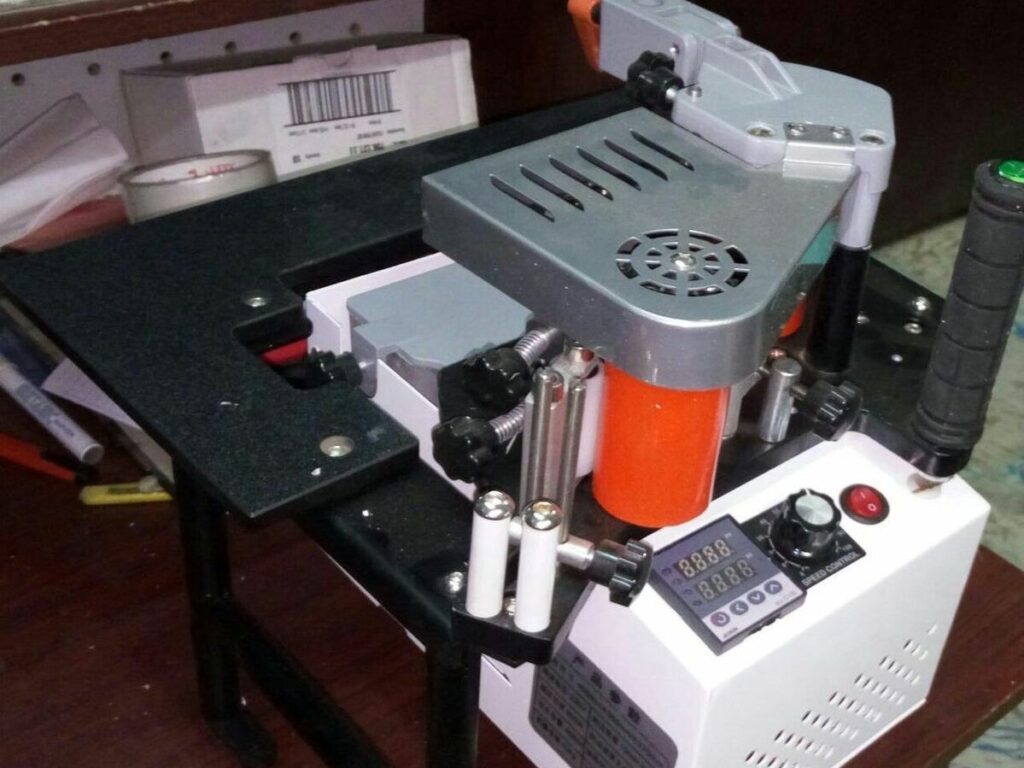
This service ensures critical wear parts like pneumatic cylinders and electrical contactors remain readily available in Nairobi. Local support reduces the need for expensive air-freight parts during emergency repairs.
Integrated Communication Protocols and Future Scalability
Smart manufacturing cells demand machinery that communicates via standard digital protocols. Industrial beam saws accept barcode-labelled cutting lists directly from external software.
This integration eliminates manual data entry errors on the shop floor. Future upgrades can include an automated CNC nesting router to handle complex shapes alongside the straight-line cutting of the beam saw.
Optimising Energy Efficiency for Reduced Operational Costs
Variable frequency drives (VFDs) regulate the main spindle motors to consume maximum power only during the active cutting stroke.
Intelligent dust extraction gates open exclusively when the saw blade is operating. This feature dramatically reduces the continuous energy load on factory extraction fans and improves the overall workshop environment.
Navigating Panel Dividing Saw Procurement and Installation in Kenya
Sourcing heavy machinery entails managing freight logistics from Mombasa port and clearing KRA industrial equipment protocols.
Preparation requires reinforcing factory flooring and installing dedicated power conduits. Managers must also lay out efficient forklift approach paths for raw material delivery to ensure the new machine does not create a logistical bottleneck.
AOE Expert Recommendation for Advanced Panel Saw Solutions
AOE specifies and installs beam saw systems engineered to endure high-volume East African production environments. Integrating advanced models like the NPT280 into the workflow transforms raw board processing from an operational bottleneck into a predictable manufacturing asset.
Professional installation and local technical support ensure the investment delivers the projected ROI through consistent uptime and precision performance.