
Implementing specialized optimization tools enables East African furniture manufacturers to reduce MDF offcuts and increase raw material yield significantly.

Transitioning from manual calculations to algorithm-driven cut maps prevents dimension errors and increases board utilization across high-volume batch runs. Factory operators who integrate digital cut planning eliminate hours of guesswork.
This ensures panel saw Kenya installations process sheets at maximum throughput without generating excessive scrap.
| Operational Feature | Manual Cut Planning | Guigui Software Optimization |
|---|---|---|
| Material Yield Rate | 78% – 82% | 92% – 96% |
| Planning Duration | 120 Minutes per shift | 5 Minutes per shift |
| Data Entry Method | Manual Keypad Entry | Direct API/XML Import |
| Error Probability | High (Human Calculation) | Negligible (Algorithmic) |
Technical Capabilities of CNC Software for Material Optimization
Algorithmic Nesting for Maximum Material Yield
Modern CNC nesting router systems and panel saws rely on mathematical models to arrange component layouts. The NPT280 hardware stores 1000 cutting parameters.
When the operator utilizes Guigui software, the system automatically optimizes the cutting map. This hardware-software integration raises board utilization rates from a regional average of 80% to over 92%. The software calculates the most efficient path for every square metre of material.
Waste Reporting and Analytics Features for Factory Managers
Production managers require exact data to audit material consumption and control supply costs. Analytics modules track every square millimetre of MDF processed.
The system generates daily shift reports that highlight precise offcut percentages. This operational visibility allows engineers to adjust purchasing volumes and eliminate supply chain bottlenecks before they impact production timelines.
Material Database Management for High Volume Projects
High-capacity workshops process varying thicknesses and grades of engineered wood simultaneously. Dedicated database features allow production planners to categorise inventory by grain direction, thickness, and laminate colour.
Software parameters ensure the industrial saw blades only group compatible parts within the same cutting cycle. This protection maintains the aesthetic integrity of cabinet components during mass production.
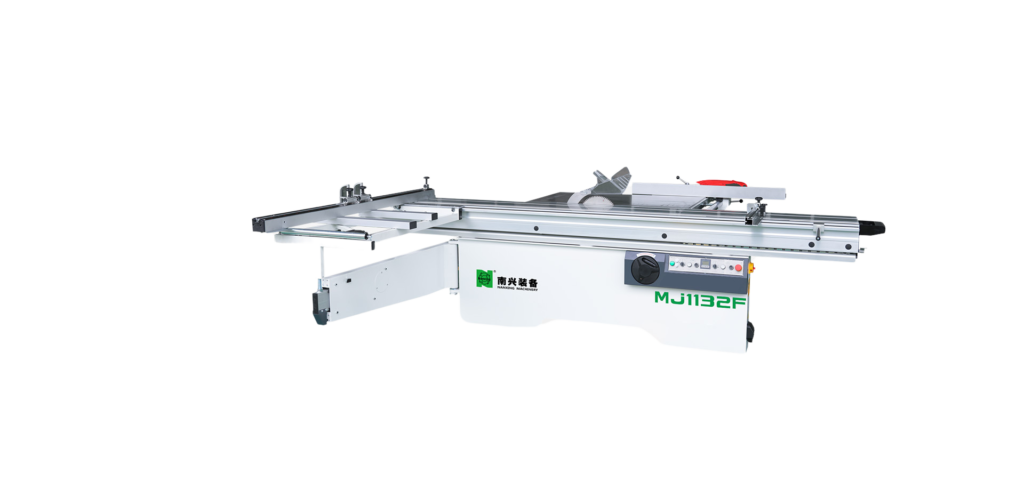
Technical Integration with CNC Panel Saws and Production Workflows
Compatibility with Industrial CNC Panel Saw Brands
Standardising machine parks across East African facilities often involves mixing legacy equipment with modern imports. Advanced optimization programs export standard G-code and MPR files that communicate directly with prominent numerical controllers.
This interoperability ensures operators drive different machine brands from a single central planning terminal. Centralized control unifies the entire factory floor under one digital architecture.
Data Exchange Protocols and API Integration Capabilities
Machining efficiency relies on secure communication between design offices and factory equipment. API connections push cutlists directly from CAD environments to the saw controller.
This process bypasses manual USB file transfers. The direct digital link removes human data entry errors and accelerates machine setup times between batches. Consistent data flow is essential for maintaining uptime in 24-hour manufacturing cycles.
Quantifiable ROI and Waste Reduction Metrics
Calculating Material Savings and Offcut Reduction
Engineered board costs constitute the largest recurring expense for regional cabinet makers. Raising material yield by 12% translates into substantial annual savings on raw MDF procurement.
Facilities consistently reinvest these recovered margins into upgrading tooling or expanding their production footprint. Reducing waste by just eight boards per hundred processed can fund a new machine operator position.
Production Time Efficiencies and Throughput Gains
Automated cut planning condenses hours of manual calculations into seconds of processing time. The algorithm sequences cuts to minimise saw carriage travel distance and reduce unnecessary blade rotation delays.
Faster cycle times allow workshops to process more sheets per shift without adding extra labour. This efficiency is critical for meeting the delivery deadlines of large-scale residential developments in Nairobi and Mombasa.
ROI Projections for East African Manufacturing Facilities
Capital expenditure in East Africa demands rapid payback periods. Fluctuating currency exchange rates make cost control vital.
Implementing algorithmic cut planning typically achieves full ROI within six to eight months through reduced material waste alone. AOE provides a standardized breakdown illustrating the immediate impact of software on daily shift operations and profit margins.
Implementation and Technical Support for CNC Optimization Software
Phased Software Rollout Strategy and Training Best Practices
Abrupt system changes frequently disrupt ongoing manufacturing commitments and delay order fulfilment. Production managers should adopt a staged approach.
The facility runs the software parallel to existing manual processes during the first week. This validation period verifies cut accuracy and calibrates the post-processor without risking raw material.
Technical instructors focus training on practical scenarios like loading custom parameters and interpreting common error codes.
Localized After-Sales Technical Support and Maintenance

Server downtimes or network failures halt production lines immediately. Regional IT technicians provide critical remote diagnostics and on-site network recalibration to restore functionality.
Securing local support through a reliable machinery supplier Kenya prevents extended delays caused by waiting for overseas software developers. Immediate response times protect the factory from costly idle periods during peak production seasons.
Comparative Analysis of Manual Methods and Optimization Solutions
Evaluating Efficiency of Traditional Manual Nesting
Human planners rely on intuition and basic geometry. These planners frequently prioritize simple straight cuts over maximum yield.
Manual methods struggle to account for complex grain matching or managing hundreds of varied component sizes. Traditional approaches create unacceptable volumes of unusable scrap in high-capacity manufacturing environments. This scrap represents lost profit that the factory cannot recover.
Cost Benefit Analysis of Automated Optimization
Deploying computerized algorithms incurs an initial licensing fee and potential controller hardware upgrades. The subsequent reduction in raw material expenditure quickly outpaces these upfront investments.
Eliminating operator calculation time further improves the balance sheet. Financial audits prove that running unaided saws degrades overall profit margins over time compared to software-driven alternatives.
Bespoke Production Challenges in the East African Market
Local manufacturers face unique supply chain challenges. Inconsistent MDF board dimensions from regional timber yards are a common issue.
Dynamic software allows engineers to input the exact measurements of individual warped or undersized boards before calculating the cut map. Adjusting layouts on the fly ensures maximum component extraction from sub-standard raw materials.
This flexibility is a core requirement for machinery consultation Kenya sessions with regional plant owners.
User Interface Design and Operator Training Requirements
Complex software interfaces alienate shop floor personnel and increase the likelihood of critical data entry errors. Software developers now prioritize touch-friendly layouts with clear visual representations of the board and generated part labels.
Simplifying the digital workspace reduces the training curve. This simplicity helps operators verify component dimensions visually before initiating the cut cycle. Proper training ensures the local workforce can navigate the interface with confidence.
Choosing Between Cloud-Based and On-Premise Optimization Solutions
Factories operating in regions with unstable internet infrastructure must evaluate software hosting options carefully. On-premise installations guarantee uninterrupted cut planning regardless of external network connectivity.
Cloud-based platforms offer automated version updates and remote production monitoring. Facilities equipped with reliable fibre connections benefit from these features. The choice depends on the specific infrastructure available at the industrial site.
Expert Recommendation for Advanced CNC Optimization
Transitioning to digital cut planning is a mandatory upgrade for competitive panel processing in the modern market. AOE advises East African production managers to audit their current board yield and match software capabilities to their specific machine park.
Integrating robust algorithmic platforms directly attacks material waste. This transition transforms daily scrap expenses into measurable, long-term profit. For a detailed assessment of your production line, you may contact AOE for technical guidance.