
The beam saw grooving function increases wardrobe back panel production speed by removing the need for secondary routing operations. Factory owners in the East African furniture sector use this feature to achieve higher throughput and reduce material handling bottlenecks.
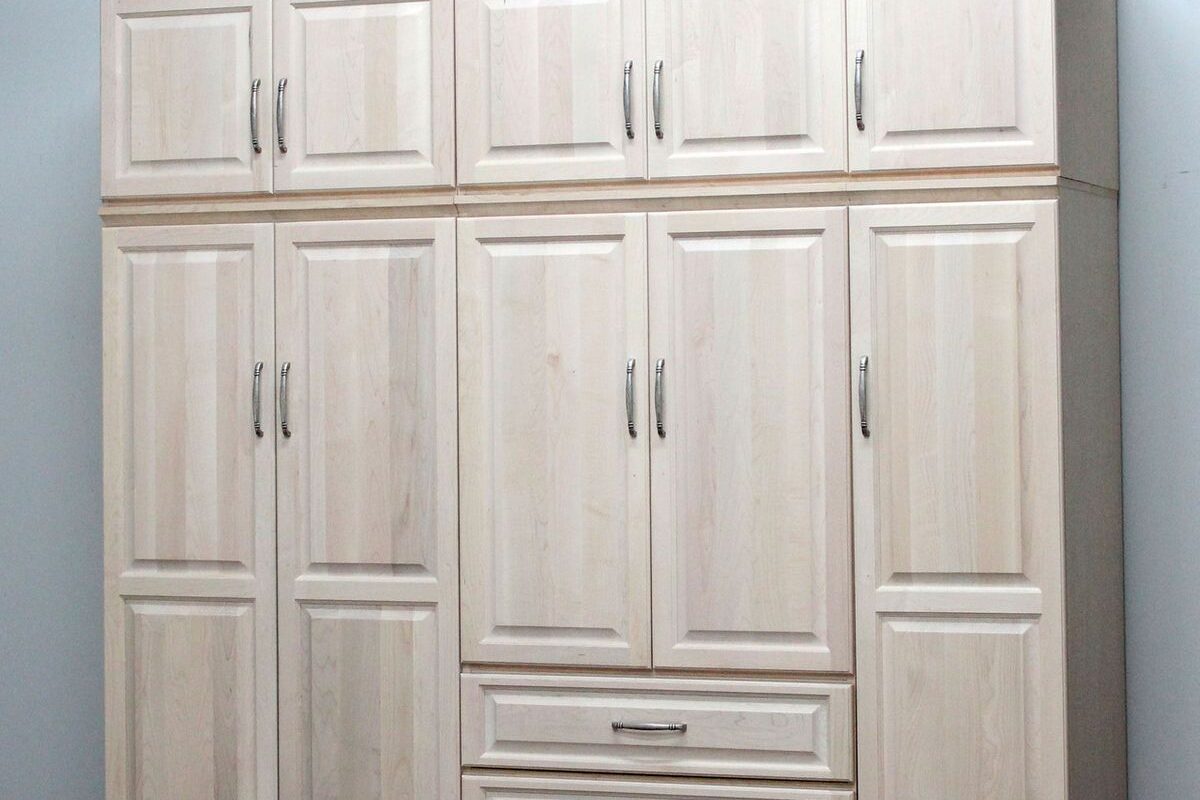
This technology allows for the consolidation of panel sizing and trenching into a single automated machine cycle using high-performance industrial panel dividing equipment.
| Production Metric | Traditional Method (Saw + Router) | Beam Saw Grooving Method | Impact for East African Workshops |
|---|---|---|---|
| Machine Touches | Two separate operator interventions | One continuous automated cycle | Labour allocation per panel decreases by 50% |
| Cycle Time | Extended by transfer and resetting | Instant transitioning from cut to groove | Daily wardrobe yield increases by up to 30% |
| Floor Space | Requires extra work-in-progress staging zones | Zero staging between sizing and grooving | Maximum use of the factory footprint |
| ROI Timeline | Extended due to multiple machine costs | Accelerated hardware utilisation | Investment recovery occurs within 14 to 18 months |
Precision Capabilities of Integrated Beam Saw Grooving
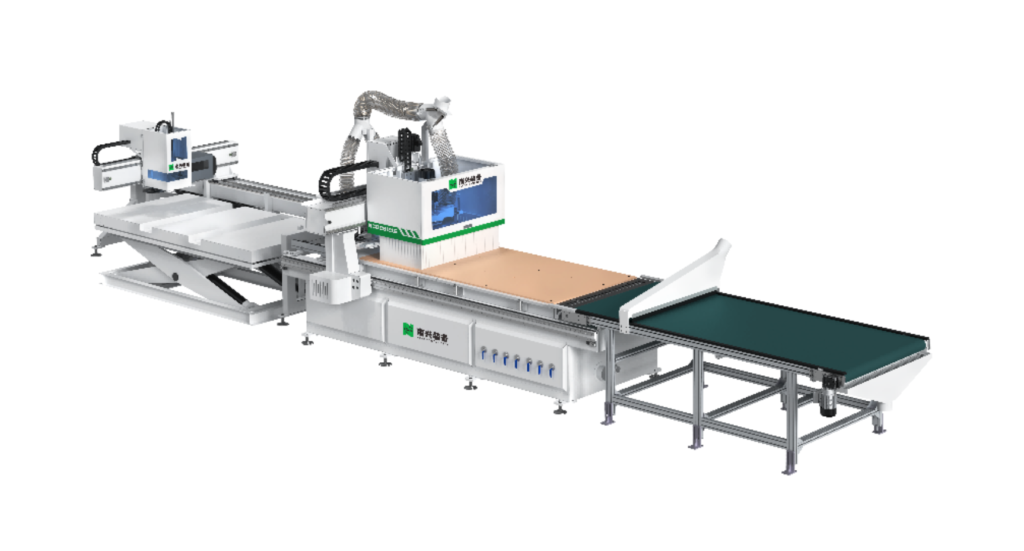
The main saw servo lifting mechanism on the NPC330S enables precise depth-controlled grooving directly on the saw bed. This functionality removes the requirement for moving cut panels to a separate CNC nesting router and prevents double-handling.
The PLC-controlled servo drive regulates the saw blade vertical travel to the exact millimetre. This regulation ensures consistent channel depths across high-volume MDF or particleboard batches.
Workshop engineers rely on this integrated precision to remove human error associated with manual depth adjustments on standalone spindle moulders.
Wardrobe Back Panel Throughput Optimization
Wardrobe manufacturing lines often experience severe bottlenecks when operators transfer sized panels to secondary stations for back panel slotting. The activation of the beam saw grooving function allows production managers to output fully sized and grooved components before the panel leaves the primary cutting station.
This consolidated approach cuts component cycle times by up to 30 per cent. The process keeps assembly lines fed and eliminates work-in-progress stockpiles on the factory floor.
Implementing these woodworking machines Nairobi furniture producers use ensures a smoother flow from the cutting room to the assembly area.
ROI Analysis and Operational Savings
Capital expenditure on specialised routing machinery decreases when production managers use the full capabilities of their existing computerised cutting centres. The beam saw grooving function reduces direct labour costs by removing the requirement for a dedicated router operator.
It also deletes intermediate transport steps that often lead to board damage. Factory managers can redirect those staff members to high-value tasks like assembly or quality control, further improving the overall efficiency of the facility.
Software Integration for Automated Production Planning
Modern industrial design software automatically translates 3D wardrobe designs into precise machine code. These systems assign both cutting and grooving parameters within a single layout. The beam saw grooving function reads these integrated CNC files to adjust blade height and carriage speed based on the specified back panel channel dimensions.
This direct CAD-to-machine workflow prevents manual data entry mistakes and guarantees absolute alignment accuracy across multi-component furniture batches. Consistency remains high even when processing varied custom orders in a single shift.
Technical Support and Training for East African Manufacturers
High-throughput manufacturing environments in Kenya, Tanzania, and Uganda require rapid technical response to maintain machinery uptime. AOE technicians calibrate every installation to withstand local industrial voltage fluctuations.
These calibrations ensure the sensitive servo drives managing the grooving actions perform reliably under heavy continuous load. Factory owners can schedule factory visit sessions or request a machinery consultation Kenya teams provide to understand these stability features.
Comprehensive operator training and a robust regional inventory of industrial saw blades and encoder modules protect against costly production halts.
Lean Production Benefits of Reduced Material Handling
Lean manufacturing principles require the aggressive elimination of non-value-added transport and double-handling of raw materials. The beam saw grooving function meets this requirement because operators complete sizing and trenching before moving the panel off the air-flotation table.
Workshops reclaim valuable factory floor space previously occupied by idle trolleys. This reduction in movement also minimizes the risk of chipping melamine surfaces during transit between different machines.
Production Metrics for Beam Saw Grooving
Production engineers track specific yield indicators to evaluate machining efficiency and validate operational improvements. Measuring these metrics allows factory managers to fine-tune feed speeds and blade RPM.
Optimal tuning ensures efficient dust extraction and produces clean groove edges that do not require manual sanding. Consistent monitoring of these figures helps in predicting tool wear and planning maintenance before quality declines.
Cycle Time and Batch Output Optimization
The standardisation of cutting patterns with integrated grooving paths compresses total production times for wardrobe carcase components. High-speed saw carriages operate at speeds up to 120 metres per minute.
These speeds allow factories to increase shift output rates without compromising the dimensional integrity of the back panel slots. Faster cycle times mean that a single beam saw can often match the output of two traditional panel saws working in tandem with manual routers.
Material Compatibility for Depth Controlled Grooving
The system handles diverse composite materials ranging from standard 18mm MFC to high-density MDF. Operators programme the control unit to adjust the saw blade penetration depth to accommodate 3mm, 6mm, or 9mm back panels.
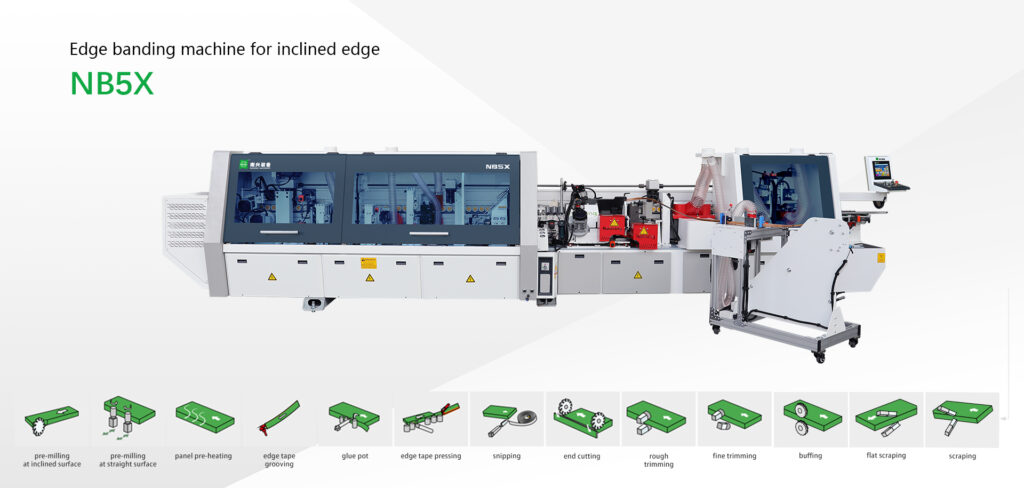
This flexibility prevents the tearing of delicate melamine faces during the grooving pass. Choosing the correct Nanxing edge bander to complement this process ensures that all components remain protected and visually consistent after the grooving is complete.
Grooving Dimensions and Profile Capabilities
Advanced servo lifting mechanisms dictate the exact vertical positioning of the main saw blade to create flat-bottomed trenches. These trenches provide the ideal fit for panel insertion during the assembly phase.
Multiple consecutive overlapping passes allow the machine to generate wider channels required for heavy-duty wardrobe backs or specialised structural joints. This versatility makes the beam saw a multi-purpose tool for various joinery requirements.
Implementation Requirements for Beam Saw Grooving
Integrating this advanced cutting technique requires factory floors to update standard operating procedures and preventative maintenance protocols. Proper alignment of the saw carriage and rigorous vacuum extraction are critical to preventing debris buildup inside the freshly cut grooves.
Managers must ensure that the dust collection system provides sufficient static pressure to clear waste from the trench during high-speed passes.
Staff Training and Safety Protocols
Machine operators must understand the distinct programming requirements and safety limits associated with depth-controlled cutting. Hands-on training ensures staff correctly secure the panel stacks under the pressure beam.
Proper clamping prevents material shift during the grooving pass and maintains safety for the operator. Training also covers the interpretation of software alerts to ensure the machine operates within its designed performance envelope.
Maintenance Requirements for Grooving Components
Frequent grooving operations subject the main saw blade to different wear patterns compared to standard through-cutting. Factory technicians must enforce strict blade sharpening intervals to ensure the bottom of the groove remains clean.
Regular lubrication of the servo lifting guides is necessary to maintain absolute depth accuracy over years of heavy industrial use. Following a structured maintenance schedule prevents unplanned downtime and maintains the value of the machinery investment.
Implementation Support from AOE Engineering Teams
East African furniture manufacturers require reliable machinery partners who understand the distinct challenges of high-volume production in the region. AOE engineers assess specific wardrobe output requirements to specify the ideal equipment for sizing and trenching consolidation.
Our technical team is available to audit current panel throughput and implement automated, single-pass machining solutions that drive profitability.
Engineering Recommendations for High Volume Production
Consolidating machining steps is the fastest route to expanding capacity without increasing the physical factory footprint. Implementing the beam saw grooving function on advanced units like the NPC330S eliminates secondary routing bottlenecks.
This change improves batch consistency and guarantees a reduction in manual handling errors across the production floor. Manufacturers who adopt these integrated cycles position themselves for sustainable growth in the competitive regional furniture market.