
Precise scoring blade calibration prevents MDF chipping by ensuring the unit penetrates the melamine layer by exactly 1-2mm to break surface tension. Factory managers across East Africa encounter significant material waste when machining brittle double-sided panels.
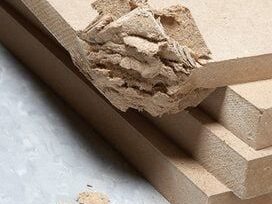
Rigorous tooling setup provides the definitive method to protect profit margins and eliminate the need for manual edge reworking on an industrial panel dividing saw.
| Tooling Type Specification | Average Lifespan (Linear Metres) | Calibration Frequency | Chipping Risk Factor | Operational ROI Impact |
|---|---|---|---|---|
| Standard TCT Blade | 5,000m | Daily adjustments required | High (increases as teeth dull) | Low (Frequent downtime) |
| KWS PCD Diamond Blade | 250,000m | Weekly verification | Minimal (Precision geometry) | High (Continuous output) |
Root Causes of Laminated Board Chipping and Quality Control Strategies
Panel dividing operations often stall when breakout occurs on the bottom face of laminated boards during high-speed cutting cycles. Downward pressure from the main saw blade forces unsupported laminate fibres away from the MDF core.
This action results in jagged edges that compromise subsequent edge banding adherence. Production managers must implement strict quality control strategies that identify tear-out instantly. Early detection prevents entire batches from requiring costly manual filing or complete rejection.
Precision Calibration Techniques for Scoring Blade Alignment
Technicians must align the scoring blade perfectly with the main blade kerf to create a flawless relief cut along the panel underside. A scoring blade must cut only 1-2mm deep to sever the bottom laminate layer without generating excessive heat or wandering off the cutting line.
Misalignment by even a fraction of a millimetre leaves a stepped edge. This defect causes an edge banding machine to apply uneven glue lines and triggers immediate quality control failures.
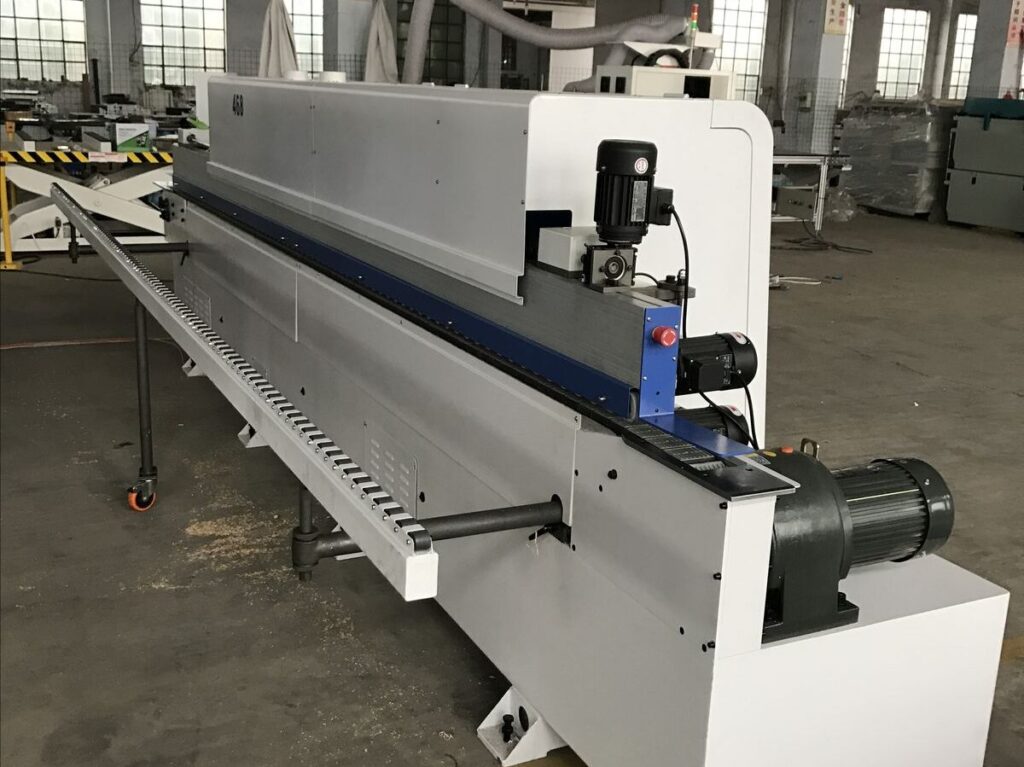
Diamond Tooling Advantages for Chip Free Results on Melamine Boards
High-volume panel processing demands cutting tools that withstand the abrasive resins found in modern composite boards. Using industrial saw blades featuring Polycrystalline Diamond (PCD) prevents premature dulling.
These KWS blades guarantee a chip-free bottom edge even on highly brittle double-sided melamine boards. Upgrading to diamond tooling eliminates the frequent sharpening downtime associated with standard carbide blades. This shift directly increases shift throughput in busy workshops across the region.
Standardized Operational Protocols for Industrial Cutting Cycles
Workshop engineers must establish rigid tooling management protocols to track blade lifespans and schedule proactive replacements before cut quality degrades. Operator training programmes should prioritise teaching staff how to interpret cutting noise and inspect initial offcuts for signs of blade wear.
Regular maintenance schedules that mandate daily cleaning of the saw carriage and blade flanges prevent resin build-up from distorting precision blade alignment. This discipline ensures the furniture panel saw maintains its factory tolerances over years of service.
Financial Impact of Material Waste Reduction and Tool Longevity
Investing in superior tooling and rigorous calibration drastically cuts the volume of scrapped material in factory environments. A standard workshop processing 200 sheets of melamine daily recovers thousands of dollars annually by eliminating the 5% scrap rate caused by bottom-face chipping.
Financial returns compound when extended tool life reduces machine downtime. These savings allow production lines to operate continuously during peak manufacturing seasons without technical interruptions.
Regional Engineering Support and Specialized Equipment Solutions for East Africa
East African manufacturing facilities face unique challenges regarding voltage fluctuations and airborne dust that affect sensitive machine encoders. Specialist suppliers like AOE provide integrated panel processing solutions tailored to these regional operational realities.
Localised expertise ensures factory owners receive machinery configured with robust extraction systems and voltage stabilisation. These features protect both the beam saw electronics and the consistency of the finished cut.
Digital Integration for Predictive Maintenance and Performance Monitoring
Modern beam saws rely on industrial design software and cut optimisation platforms to govern carriage speed and blade projection. These digital systems monitor motor loads to detect when a blade begins to lose its edge.
This capability shifts the operation from reactive troubleshooting to predictive maintenance. Factory managers using these platforms order replacement blades well before cut quality drops to unacceptable levels.
Spindle load sensors provide operators with real-time feedback on the resistance encountered during the cutting cycle. Sudden spikes in amperage draw indicate resin accumulation or a fractured tooth on the scoring unit.
Accessing this performance data allows technicians to halt production instantly. This immediate action prevents a single damaged tooth from ruining an entire pallet of expensive laminated MDF.
Predictive Analytics for Tool Wear and Replacement Schedules
Industrial control systems compile historical cutting data to forecast the exact operational hour a blade will require replacement. Predictive analytics remove the guesswork from tooling management.
This data allow purchasing departments to align inventory procurement with actual factory consumption rates. This data-driven approach stops the common workshop failure of halting production due to unexpectedly depleted consumable stocks.
Optimizing Material Yield with Advanced Nesting Algorithms
Cut optimisation software organises complex batch orders into the most efficient cutting patterns possible. Advanced algorithms arrange components to minimise saw carriage travel and maximise board yield.
This process extracts every usable square centimetre from standard MDF sheets. Reducing the number of necessary cuts naturally extends the operational lifespan of the scoring blade while lowering overall energy consumption.
Facilities can also integrate a furniture router Kenya specialists recommend for complex shaped components.
Professional Support for Integrated Beam Saw Solutions
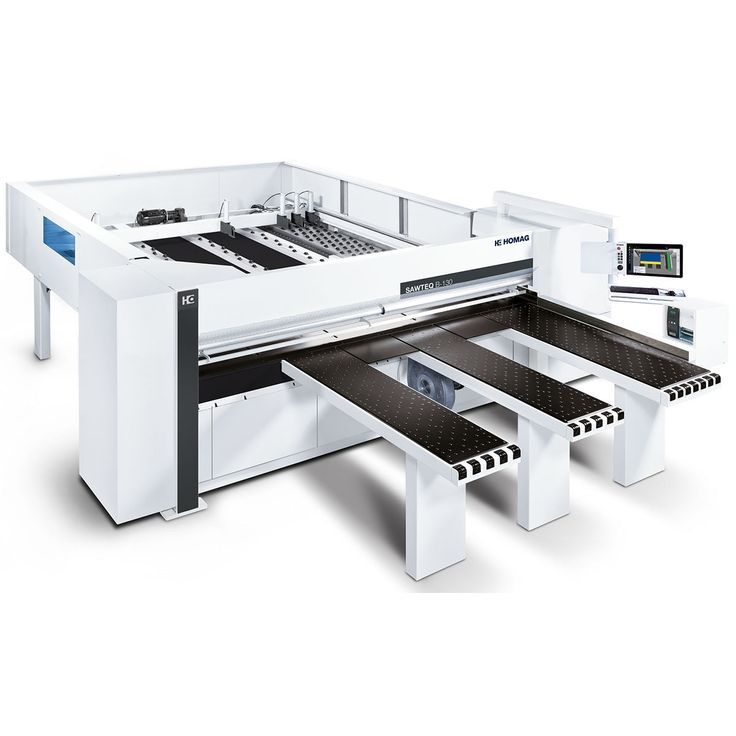
AOE supplies East African manufacturers with heavy-duty panel dividing technology engineered for continuous industrial applications. Equipment installations include rigorous on-site commissioning to guarantee the main and scoring blades run perfectly parallel during initial setup.
Production facilities benefit from a partnership focused on maximising machine uptime and lowering operational costs. Managers seeking to improve their facility should schedule a machinery consultation Kenya based experts provide for on-site audits.
Technical Consultation and Factory Audits
AOE engineers conduct comprehensive factory audits to assess current material flows and compressed air stability before recommending any machinery upgrade. Technical consultations identify workflow bottlenecks.
This analysis ensures the proposed beam saw matches the exact throughput requirements of the facility. This analytical approach guarantees capital investments directly resolve the specific production constraints limiting the business.
Customized Tooling and Software Integration Services
Every manufacturing floor handles different material densities. This reality necessitates customised tooling setups rather than generic factory defaults.
AOE integrates specific KWS PCD blade profiles and configures the optimisation software to match the melamine thicknesses processed by the client. Synchronising the tooling with the digital control interface ensures automated dimensional adjustments execute accurately during rapid batch changes.
After Sales Support and Operator Training Programs
Long-term machine reliability demands highly skilled operators capable of executing precision mechanical adjustments independently. AOE delivers intensive operator training programmes focused on the science of scoring blade calibration and daily machine maintenance.
Robust after-sales support ensures East African workshops maintain rapid access to technical troubleshooting. This service eliminates prolonged downtime caused by minor calibration errors.
You can find more production tips Africa factory owners use to maintain competitive advantages on our informational portal.
Engineering Recommendation
Workshops struggling with persistent edge tear-out must immediately audit their scoring blade depth and alignment. Transitioning to KWS PCD scoring blades and strictly adhering to the 1-2mm penetration rule will permanently eliminate bottom-face MDF chipping.
AOE strongly advises production managers to pair this tooling upgrade with scheduled operator retraining. This combination guarantees sustained edge quality and maximises panel yield across all future production runs.