
Integrating a servo driven crosswise fence on a panel saw Kenya upgrades cutting accuracy from subjective manual inputs to absolute digital positioning. Manual fence setting leads to 1.2mm variations between operators.
A servo driven magnetic fence positions the board exactly according to the digital cutting list. This technology eliminates human measurement errors entirely. This upgrade directly solves the persistent issue of mismatched panels during assembly.
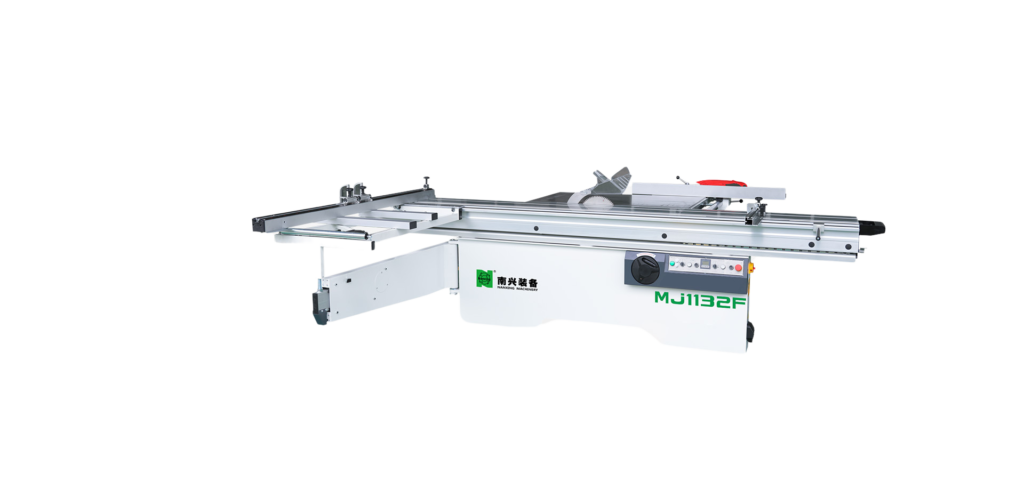
AOE provides these systems to ensure East African workshops maintain strict quality control while processing expensive melamine and MDF sheets.
| Production Metric | Manual Crosswise Fence | Nanxing Servo Driven Fence | ROI Impact (East Africa) |
|---|---|---|---|
| Positioning Accuracy | ± 1.0mm to 2.0mm | ± 0.1mm | Eliminates assembly misalignment and rework costs |
| Setup Time Per Cut | 15 to 30 seconds | 2 to 4 seconds | Boosts daily panel output by approximately 30% |
| Material Scrap Rate | High due to human error | Near Zero | Saves 2 to 3 premium boards per shift |
| Operator Skill Requirement | Requires experienced sawyer | Digital interface operation | Reduces specialised labour dependency |
| Power Compatibility | N/A | Voltage Stabilised | Protects electronics from regional grid fluctuations |
Technical Specifications of Servo Driven Crosswise Fences
Industrial crosswise fences utilise closed-loop servo motors paired with high-resolution magnetic encoders to achieve positioning accuracy down to 0.1mm. This automated drive system moves the cutting stops into position instantly.
The system reacts to digital inputs rather than relying on an operator visual alignment against a physical measuring tape. Modern units feature dust-sealed linear guideways to ensure consistent travel in high-particulate factory environments.
The magnetic strip provides non-contact feedback. This prevents the mechanical wear associated with traditional rack and pinion systems.
Productivity Gains and Material Yield with Servo Driven Fences
Replacing manual adjustments with motorised positioning increases daily throughput on the shop floor. Operators execute complex, multi-dimension cutting lists without stopping the machine to physically walk around and lock manual stops.
This continuous operational flow reduces idle saw time by up to 30%. The volume of finished panels processed per shift increases as a result.
High-volume furniture plants in Nairobi and Mombasa benefit from this consistency during peak production cycles. You can read more about manufacturing efficiency on our machinery blog.
Integration of Servo Driven Crosswise Fences with Factory Workflows
Connecting automated fences to existing factory software bridges the gap between the design office and the cutting floor. Production managers push cutting lists directly from furniture CAD CAM Kenya to the panel saw control panel via a local network or USB drive.
The machine interface translates these dimensions into rapid servo movements. This ensures the physical cut matches the initial layout perfectly.
Automated positioning supports complex CNC nesting router patterns by preparing accurately sized rectangular blanks for secondary processing.
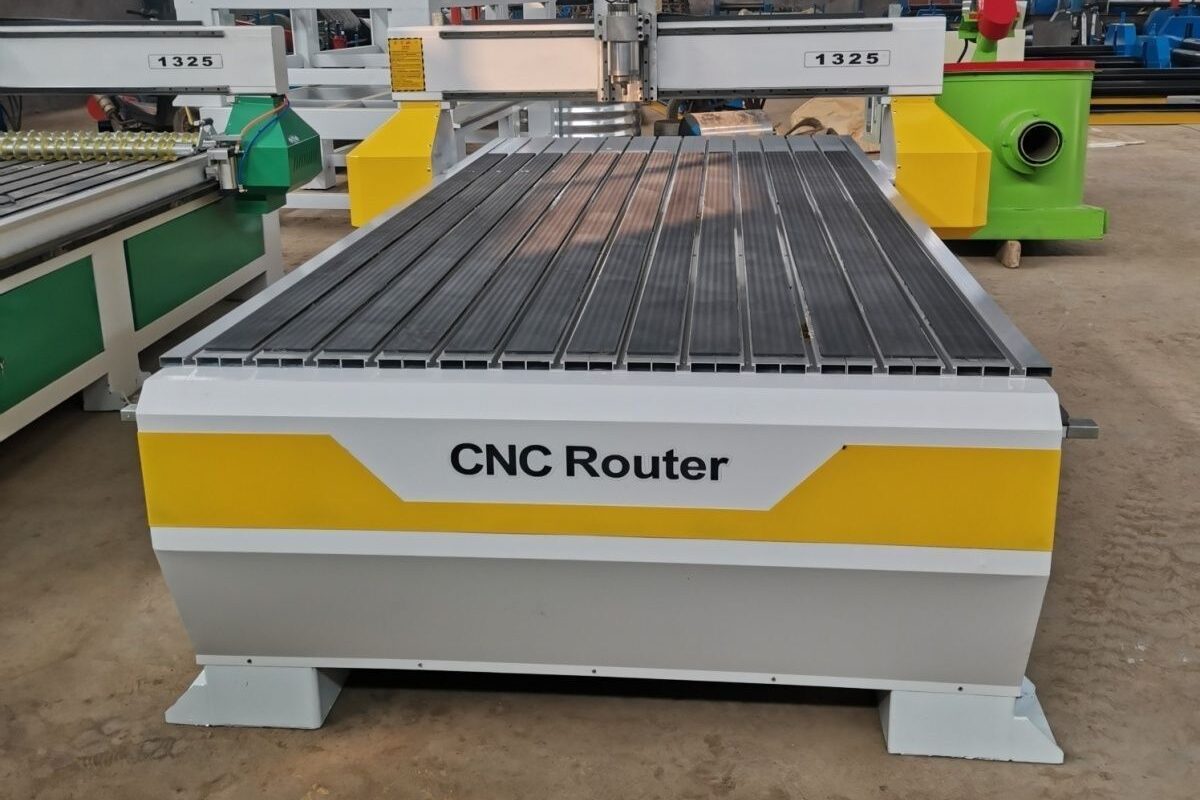
Financial Returns and Cost Savings for Servo Driven Fences
Investing in automated fence positioning generates immediate financial returns through scrap reduction and lower labour overheads. The factory stops paying for expensive replacement boards when operators no longer misread tape measures.
Rework time required to correct dimensional errors decreases significantly. In a standard ten-hour shift, the time saved on manual setup equates to processing an additional 25 sheets of material.
This output increase helps recover the capital investment within twelve to eighteen months of operation.
Optimising Material Yield Through Automated Precision
Maximising board yield requires strict adherence to computer-generated patterns during the sizing process. Servo technology ensures every single cut aligns with the software optimisation layout.
This prevents compounding errors that force operators to discard the final usable pieces of a sheet. Consistent sizing guarantees that subsequent edge banding machine and furniture drilling machine processes run without jamming.
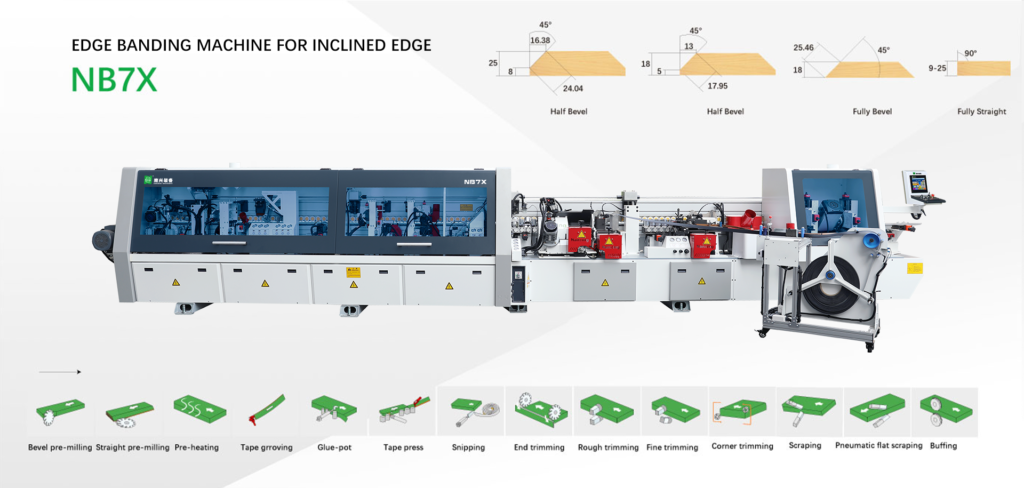
Precise blanks prevent the sensor errors and component damage often caused by oversized or out-of-square panels.
Support and Training for Servo Driven Fences in East Africa
AOE technicians calibrate each installation to address local shopfloor conditions. Our team compensates for regional voltage variability and heavy wood dust loads.
Dedicated training sessions teach operators how to read digital interfaces and abandon legacy manual habits. Factories achieve the specified output rates immediately after installation.
Regular preventative maintenance support from our engineering team keeps the servo drives and encoders operating at factory tolerance.
Implementation and Compatibility of Servo Driven Fences
Upgrading a workshop requires evaluating the mechanical footprint and structural condition of the current sliding table saw. Engineers assess the overhead control unit mounting options and the structural rigidity of the outrigger table.
The outrigger must handle the dynamic movements of the automated stops without vibrating or flexing.
Installation Process and Retrofit Options
Retrofitting involves replacing the static crosscut fence extrusion with a motorised profile containing the drive belt and linear guide rails. Technicians align the new fence exactly 90 degrees to the sliding table.
They secure the master encoder to guarantee squareness across full-sized panels. The control unit requires a dedicated, stable power feed. This protects the sensitive positioning electronics from industrial voltage spikes common in regional power grids.
Compatibility with Leading Panel Saw Brands
Most modern automated crosswise fences operate as standalone systems independent of the primary saw motor controls. This modularity allows manufacturers to upgrade existing machinery from brands like Altendorf, Robland, or KDT.
Compatibility hinges on the dimensions of the crosscut table and the specific mounting bracket geometry. AOE provides custom adapter plates to fit these systems to various machine bases used in East African workshops.
Maintenance and Longevity of Servo Driven Fence Systems
Automated positioning equipment demands specific preventative care to maintain sub-millimetre accuracy over a standard ten-year industrial lifespan.
Workshop engineers must focus on protecting the magnetic reading heads. They must also ensure the internal servo drive belts retain the correct tension under daily strain.
Routine Maintenance Schedules
Operators must clear sawdust from the linear guideways daily using directed compressed air. This prevents particles from settling on the encoder strips.
Weekly schedules include inspecting the drive belt for fraying and wiping the magnetic tape with a dry, lint-free cloth. Factory engineers should verify overall squareness against a calibrated block monthly to catch mechanical drift early.
Troubleshooting Common Operational Issues
Technicians first check the encoder read-head for compacted resin or dust blockages if the digital readout displays errors. Drive stalling typically indicates a lack of lubrication on the linear bearings or a physical offcut obstructing the stop travel path.

Power cycling the control unit often clears temporary software glitches caused by minor power supply fluctuations. If errors persist, the magnetic strip may require realignment or replacement.
Consultation for Servo Driven Crosswise Fence Integration
A high-volume furniture plant cannot afford the hidden costs of manual measuring errors on the shop floor. Upgrading your cutting department with digital positioning guarantees exact sizing and protects your profit margins on every sheet processed.
Contact us to schedule factory visit and audit your current panel saws. AOE determines the exact retrofit specifications required to modernise your production line.