
A strict operational schedule for maintaining beam saw cutting precision requires East African workshop managers to execute daily rail inspections and weekly screw drive cleanings. These routines prevent MDF dust from compromising high-speed panel yield.
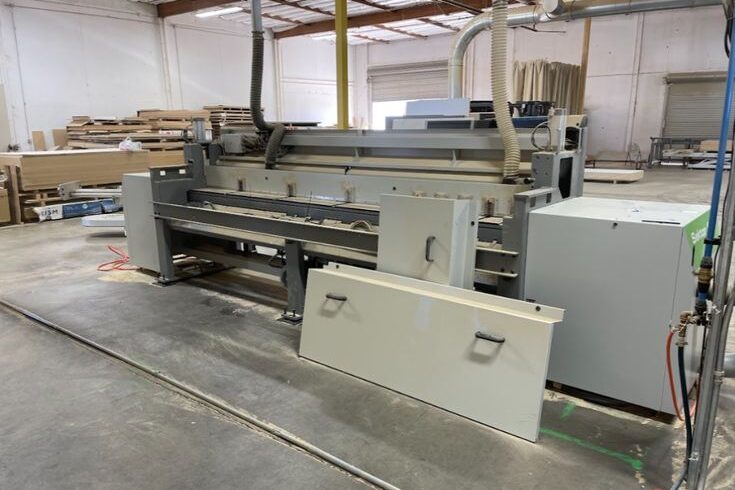
Regular preventative maintenance prevents micro-stutters along the carriage axes. This discipline extends blade life and reduces expensive panel rejection rates in high-volume furniture production lines using industrial panel dividing technology.
| Maintenance Parameter | Standard Protocol | Impact on Production | Recommended Interval |
|---|---|---|---|
| Linear Guide Lubrication | Dry-film PTFE or Lithium-based | Eliminates carriage drag and axis motor strain | Weekly |
| Saw Blade Calibration | Five-cut test method | Ensures 0.1mm accuracy for edge banding machine prep | Bi-Weekly |
| Extraction Airflow | 30 m/s minimum velocity | Prevents resin buildup on industrial saw blades | Daily Check |
| Electronic Sensor Cleaning | 99% Isopropyl Alcohol | Prevents false limit faults and positioning errors | Weekly |
Root Causes of Precision Loss in Industrial Panel Dividing Saws
MDF and particleboard generate fine particulate matter that settles directly onto critical mechanical components during continuous cutting cycles. This rapid dust accumulation increases friction on guideways.
This friction forces the servomotors to draw more current and causes the saw carriage to drag rather than glide. Micro-deviations compound across multiple shifts when left unchecked.
These deviations result in skewed panel edges, chipping at the cut line, and immediate bottlenecks at the edge banding stations. Operators must identify these patterns early to maintain the workflow for a CNC nesting router downstream.
Standardized Maintenance Schedules for Consistent Machine Uptime
Structuring a rigid maintenance routine transforms preventative care from an unpredictable disruption into a controlled operational standard. Factory managers must assign specific tasks to individual operators and technicians.
This assignment ensures accountability across shift changes and protects the longevity of woodworking machines Nairobi workshops rely on for daily output.
Daily Precision Checks and Routines
Operators must use compressed air to clear the main saw table, alignment fences, and squaring rollers at the start and end of every shift. Visual inspections of the main and scoring blade sharpness prevent dull teeth from overheating and warping the saw body during heavy melamine board processing.
Emptying the localised dust collection bins and inspecting extraction hosing for blockages maintains the required cubic metres per hour (m³/h) airflow. Consistent airflow is essential for workshops utilizing furniture drilling machine units nearby.

Weekly Deep Cleaning and Inspection Protocols
MDF dust buildup on rails causes micro-stutters during traverse movements. Cleaning and lubricating the three-axis high-precision screw drives weekly ensures the integrated saw carriage moves flawlessly at high speeds.
Technicians must wipe down the optical sensors and linear encoders using isopropyl alcohol to prevent false limit faults. Tensioning the drive belts and checking the pneumatic pressure gauges ensures clamping cylinders apply uniform force across the entire panel stack.
Monthly Critical Component Overhauls
Maintenance engineers need to conduct thorough run-out checks on the saw arbours using a dial indicator to detect any bearing wear. Replacing worn pneumatic seals and draining moisture traps in the air supply lines prevents water ingress from rusting internal pneumatic valves.
Re-calibrating the pusher fence against the cutting line guarantees squareness across maximum-length panel formats. Managers should reference production tips Africa specialists provide for localized climate adjustments.
Specialized Beam Saw Cleaning and Lubrication for Critical Components
Applying the correct lubricants prevents fine sawdust from agglomerating into a thick, abrasive paste that accelerates component wear. Workshops must strictly avoid standard automotive grease.
Managers should opt instead for dry-film lubricants or manufacturer-specified lithium-based equivalents to ensure smooth movement.
Guideway Cleaning and Lubrication Techniques
Scraping off hardened resin and dust from the linear guideways requires non-abrasive brass brushes to protect the hardened steel tracks. Applying a thin, even coat of specialised machine oil prevents oxidation.
This practice maintains the necessary slip-coefficient for the carriage bearings. Proper guideway care is vital when integrating parts with furniture CAD CAM Kenya production files.
Screw Drive Maintenance and Protection
The ball screw drives dictating pusher positioning demand meticulous attention to prevent pitch errors and positioning failures.
Flushing the ball nuts with a dedicated cleaning solvent before injecting fresh lubricant forces trapped particulates out of the recirculating channels. This cleaning cycle preserves the accuracy of the dimensions sent from the controller.
Motor and Drive Belt Inspection
Dust entering motor cowlings restricts cooling airflow. This restriction leads to premature thermal degradation of the stator windings.
Engineers must blow out the cooling fins and inspect the V-belts for fraying. Technicians should replace belts in matched sets to prevent power transmission imbalances that cause vibration.
Beam Saw Calibration Alignment and Troubleshooting for Restored Precision
Restoring absolute squareness requires operators to conduct the five-cut test on a full-sized panel to measure deviation across the longest possible distance. Adjusting the squaring fence demands precision micrometre adjustments until the measured diagonal difference falls below 0.1mm per metre.
Scoring blade failure to align precisely with the main saw kerf requires technicians to adjust the lateral positioning drives to eliminate bottom-face chipping. Accurate alignment is a prerequisite for a machinery consultation Kenya expert to approve factory performance levels.
Effective Beam Saw Workshop Dust Management and Environmental Control
Controlling airborne particulate at the source remains the most cost-effective method of protecting high-value panel processing equipment.
East African workshops frequently deal with high ambient humidity. This humidity causes suspended MDF dust to clump and adhere aggressively to machine surfaces.
Implementing Dedicated Dust Extraction Systems
Installing a central dust extractor with a minimum capacity of 30m/s air velocity at the extraction port guarantees efficient chip removal.
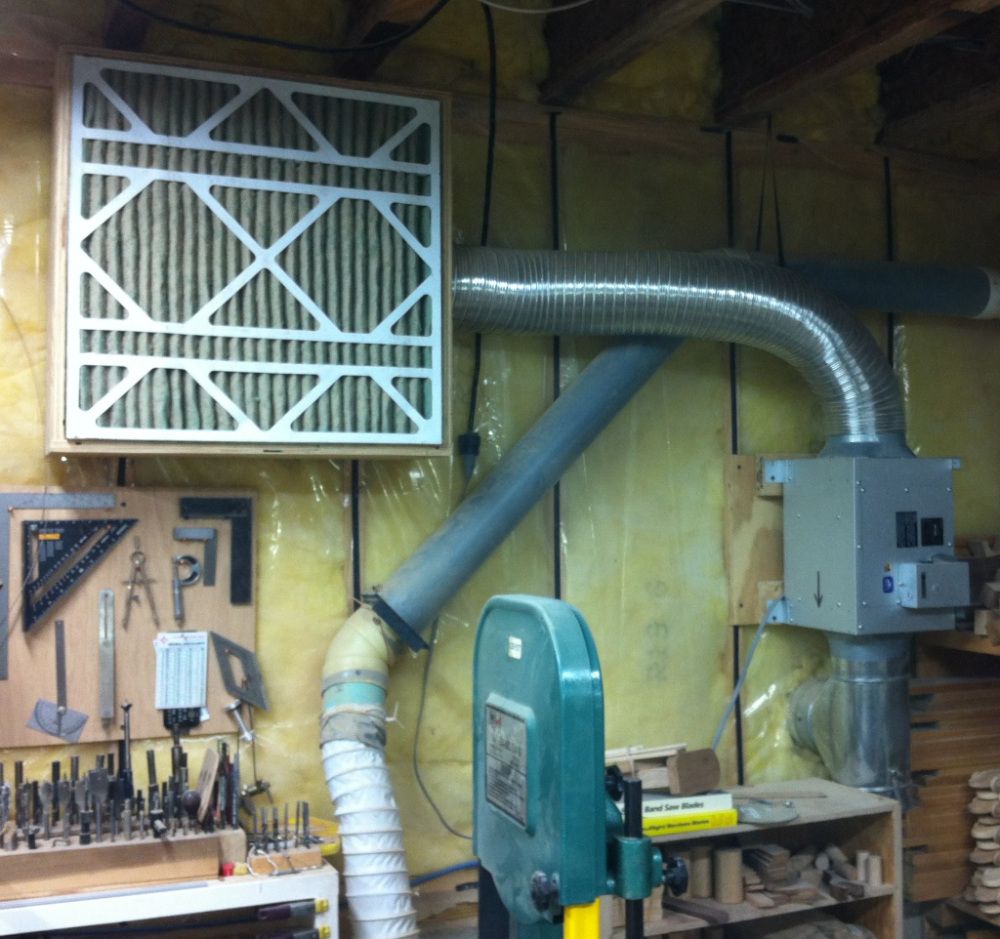
Replacing standard filter bags with pleated, automated self-cleaning filters prevents suction drop-offs during long, continuous cutting shifts. High-capacity extraction protects both the machinery and the quality of the final cut.
Workshop Layout and Airflow Optimization
Positioning the beam saw away from prevailing winds and open loading bays prevents cross-breezes from scattering dust. This placement ensures the extraction hood catches the majority of the waste.
Creating a dedicated cutting zone with localised extraction curtains confines fine particulate matter. This confinement protects adjacent machinery from contamination.
Operator Personal Protective Equipment and Practices
Equipping operators with P3-rated respirators ensures lung protection against the carcinogenic formaldehyde resins found in composite boards.
Enforcing strict clean-as-you-go policies prevents dust from accumulating on the floor. These policies reduce slip hazards and secondary dust suspension into the machine tracks.
Operator Training and Consumables Management for Sustained Beam Saw Precision
Unskilled operation degrades machine accuracy through improper feed speed settings and aggressive material handling. Factory managers must train staff to interpret the saw load meters.
Training should include teaching them to lower feed rates when cutting dense, double-stacked HDF boards. Tracking tooling life cycles allows procurement teams to rotate saw blades for professional sharpening before blunt teeth place undue stress on the main spindle.
Leveraging Integrated Sensor Monitoring for Predictive Beam Saw Maintenance
Modern control software logs motor amperage spikes. These logs provide early warning signs of bearing failure or blunt tooling long before a mechanical breakdown occurs.
Analysing this diagnostic data allows maintenance engineers to schedule downtime during off-peak hours. This strategy preserves valuable production time. AOE recommends connecting the machine PLC to the factory network to automate maintenance alerts based on actual run hours rather than calendar days.
Essential Tools and Consumables for Maintaining Beam Saw Precision
Equipping the maintenance bay with the right diagnostic and cleaning tools reduces the time required for weekly servicing protocols. High-grade precision tools guarantee that calibration adjustments translate directly into repeatable cutting accuracy. Accurate measurements are the foundation of high-quality furniture manufacturing.
| Tool / Consumable | Specification | Primary Application | Usage Frequency |
|---|---|---|---|
| Dial Indicator with Magnetic Base | 0.01mm resolution | Measuring spindle run-out and fence parallel alignment | Monthly |
| Dry-Film PTFE Lubricant | Non-stick formula | Lubricating rack and pinion gears without attracting dust | Weekly |
| Lithium-Based Guideway Grease | NLGI Grade 2 (OEM spec) | Injecting into ball screw grease nipples for pusher drives | Bi-Weekly |
| Digital Vernier Caliper | 300mm length | Checking cut panel dimensions and scoring blade kerf width | Daily |
| Isopropyl Alcohol (IPA) | 99% Industrial Grade | Cleaning optical sensors, limit switches, and linear scales | Weekly |
Calculating the ROI of Proactive Beam Saw Maintenance Strategies
Minimising unscheduled downtime and reducing panel rejection rates directly increases a workshop profit margins. A well-maintained beam saw wastes fewer boards.
This efficiency saves thousands of dollars in ruined high-gloss acrylics and premium melamine materials over a fiscal year. Extending the operational lifespan of screw drives and spindle bearings delays massive capital expenditure on replacement parts by several years.
AOE Expert Consultation Optimizing Your Beam Saw Performance
East African manufacturers requiring bespoke maintenance frameworks can rely on AOE technical engineers for site-specific machine audits. Our specialists assess your workshop dust load, power stability, and production volume.
This assessment allows us to custom-engineer a preventative maintenance schedule that protects your machinery investment.
Engineering Recommendation
AOE Verdict: Implement the weekly cleaning of your high-precision screw drives immediately. Combating MDF dust accumulation at the mechanical level is the single most effective action a workshop manager can take to eliminate cutting deviations and secure long-term profitability.
For more information on optimizing your production line, request demo or consultation today.