
Capital expenditure for industrial wood processing equipment in the Nairobi manufacturing sector involves a baseline investment between KES 2.5 million and KES 4.5 million. These figures apply to automated units featuring automatic tool changers (ATC) and integrated vacuum beds.
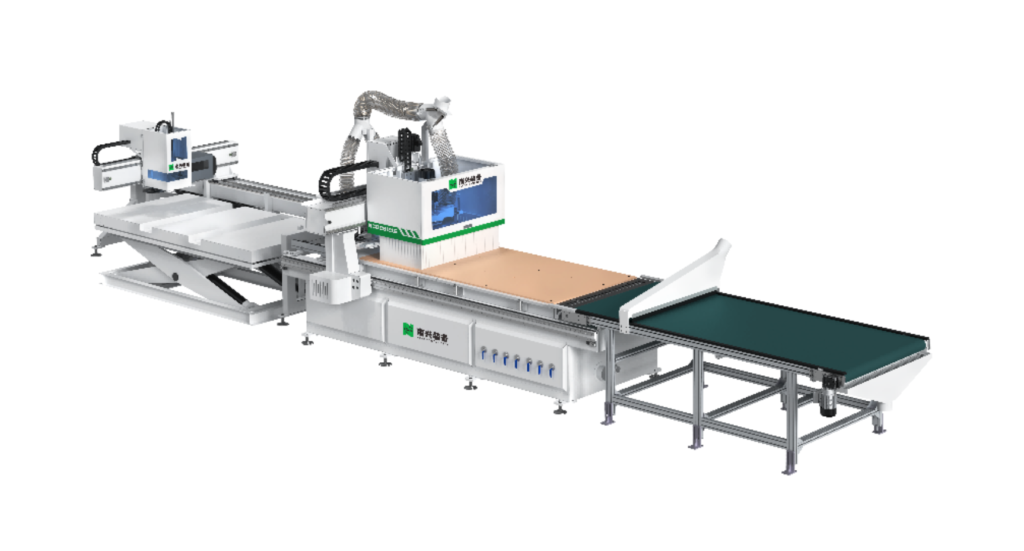
Modern nested-based production techniques enable custom cabinet makers to consolidate cutting, boring, and grooving operations into a single automated sequence. This integration reduces material handling bottlenecks across the factory floor and improves overall floor-to-floor cycle times.
Manufacturers often begin their automation journey by selecting a high-performance CNC nesting router to replace outdated manual processes.
| Equipment Classification | Average Capital Required (KES) | Daily Throughput (1220x2440mm Sheets) | Estimated ROI Period |
|---|---|---|---|
| Standard 3-Axis Router | 1.8M – 2.5M | 20 – 30 sheets per shift | 12 – 16 Months |
| High-Speed ATC Nesting Cell | 3.0M – 4.5M | 50 – 80 sheets per shift | 14 – 18 Months |
| Automated Line (Load/Unload) | 5.5M – 8.0M | 100+ sheets per shift | 18 – 24 Months |
Technical Engineering Specifications and Software Architecture
Precision Engineering in Nesting Operations
High-speed spindles operating at 24,000 RPM provide clean cuts on melamine-faced chipboard (MFC) without edge chipping. Workshop engineers use heavy-duty gantry structures and helical rack-and-pinion drives to manage vibration during rapid positioning movements.
This mechanical rigidity ensures that intersecting joints and hardware bores remain perfectly aligned. Precise engineering eliminates the need for manual adjustments during the final assembly of kitchen carcases.
Design Software Integration for Production Accuracy
Professional cabinet design software dictates machine toolpaths directly from the engineering office to the factory floor. The implementation of furniture CAD CAM Kenya removes manual dimension input errors at the controller panel.
Production remains strictly aligned with the initial client drafts. Parametric design updates alter every associated component automatically. This synchronisation prevents mismatched panels from reaching the edge banding station.
Labour Optimisation and Operational Throughput
Labour Transformation and Skill Development
The NC549LP replaces a traditional furniture panel saw, drill press, and manual router. One operator manages the entire station instead of a three-man production team.
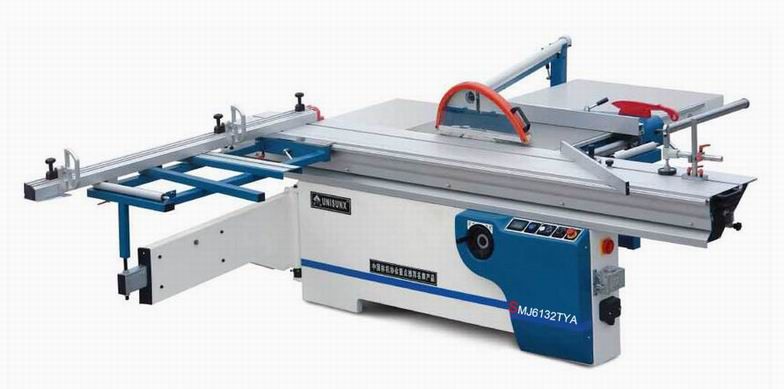
This shift lowers long-term wage overheads while doubling daily output capacity. Staff transition from manual cutting tasks to machine supervision roles. This change reduces human error and minimises the risk of common workshop injuries.
Production Volume Targets and Industrial Pacing
Automated loading and offloading tables reduce sheet processing times below five minutes per 18mm MDF board. Production managers achieve consistent output targets regardless of operator fatigue during long industrial shifts.
This predictable pacing allows factories to accept larger commercial fit-out contracts with confidence. Reliable delivery schedules improve the reputation of the manufacturing facility in the competitive Kenyan market.
Total Cost of Ownership and ROI Analysis
Initial Investment and Infrastructure Requirements
Capital allocation includes the base machine cost, rotary vane vacuum pumps, dust extraction systems, and industrial carbide tooling. Factory owners must budget for power stabilisation equipment to protect sensitive servo drives from national grid fluctuations.
Evaluating these secondary components prevents budget overruns during the commissioning phase. AOE provides technical audits to ensure all infrastructure requirements meet the necessary electrical standards.
Asset Finance and Cash Flow Management
Asset finance agreements with local banking institutions distribute the initial capital burden across a 36-to-60-month term. Retaining operational cash flow through leasing allows manufacturers to secure bulk raw materials for large residential projects.
Direct purchasing eliminates financing interest. This approach accelerates the timeline to pure profitability for enterprises with sufficient cash reserves.
Return on Investment Calculations
Reduced material waste and the elimination of rework lower the production cost per finished cabinet. Workshops running consistent volume report full capital recovery within 14 to 18 months of single-shift operation.
Subsequent years of operation generate significantly higher gross margins compared to traditional manufacturing methods. The precision of industrial saw blades and router bits further reduces the cost of consumables over time.
Local Support Infrastructure and Operator Competency
Technical Support Availability in Kenya
Machine downtime stops production lines and delays critical site installations. Local availability of spare parts like ISO30 collets, tool sensors, and vacuum pods prevents supply chain failures.
An established machinery supplier Kenya offers Nairobi-based technicians for electrical and mechanical interventions. Rapid response times keep the factory operational during peak production periods.
Operator Training and Skills Transfer
Commissioning technicians instruct factory staff on tool length calibration, vacuum zone management, and software diagnostics. Developing internal competence prevents minor software errors from escalating into production stoppages.

Cross-training traditional carpenters into capable CNC operators establishes continuous factory floor autonomy. This training ensures the longevity of the machine investment through proper daily handling.
Advanced Algorithms for Material Yield Optimisation
Nesting Software and Waste Reduction
Optimisation software calculates the tightest possible part arrangement on standard 2440x1220mm timber panels. Intelligent rotation of non-grained cabinet components pushes sheet yield rates beyond 92 percent.
Small drawer parts fit into the gaps between tall pantry side panels. This process leaves practically zero usable offcut on the vacuum bed.
Raw Material Cost Management
Extracting an extra cabinet door from every MDF sheet translates to higher gross margins per project. Bulk board purchases stretch further and insulate the business against fluctuating timber market prices.
Controlling material consumption at the software level provides exact cost predictions for quoting commercial tenders. Accurate material lists reduce the risk of underquoting on complex projects.
Scalability and Future Proofing Production Lines
Growth Framework for Furniture Factories
Modular factory layouts permit engineers to pair nesting cells with a Nanxing edge bander and CNC drilling lines. Standardised data flow via barcode labels tracks individual cabinet parts from the router bed to final assembly.
Scaling up operations requires additional machine units rather than a massive expansion of the manual workforce. This structured growth maintains quality standards across increased volumes.
Market Competitiveness in East Africa
Delivering bulk fit-out contracts on schedule elevates a brand above manual-reliant workshops. Precision manufacturing ensures multi-unit apartment developments receive identical cabinetry on every floor.
Advanced 6-sided drilling and nesting technology provide a technical advantage. Developers award repeat contracts to factories that demonstrate automated reliability and consistent finishing quality.
Procurement Procedures and Site Preparation Guidelines
Technical Audit and Machine Selection
Specifying the correct spindle power and tool magazine capacity requires an audit of typical production materials. Procurement managers evaluate machine chassis rigidity and controller brand reputation before signing manufacturing orders.
Reviewing duty cycle ratings ensures the asset matches the expected daily factory shifts. Proper selection prevents the common mistake of under-specifying equipment for industrial workloads.
Site Installation Requirements
Industrial CNC routers require level, reinforced concrete flooring to maintain gantry alignment. Dedicated three-phase power drops and high-capacity pneumatic lines must be ready before machine delivery.
Proper ambient dust extraction routing prevents particulate buildup inside electrical cabinets. These steps ensure the machine operates within factory tolerances from the first day of commissioning.
Preventative Maintenance and Warranty Management
Maintenance Cycles for Machine Longevity
Daily greasing of linear guide rails and inspection of vacuum filter assemblies prevent mechanical wear. Factory engineers schedule weekly calibration checks to guarantee diagonal squareness on panels.
Adhering to strict preventative maintenance schedules keeps spindle runout within acceptable limits. This discipline extends the operational life of the equipment by several years.
Service Level Agreements and Support
A robust service contract dictates response times for servo diagnostics and software support. Manufacturers executing large contracts require vendor agreements to shield against production risks.
Clearly defining warranty coverage on wear parts prevents unexpected operational expenses. Professional machinery consultation Kenya helps factory owners identify the most reliable support packages for their specific needs.
Strategic Selection of CNC Technology
AOE engineers map production bottlenecks to precise machinery specifications to ensure capital expenditures generate measurable returns. Engaging technical specialists bypasses the trial-and-error purchasing model.
Securing the correct automated routing solution establishes a profitable and scalable foundation for any East African facility. Technical expertise remains the most critical component of a successful factory automation strategy.