
Securing small MDF components during high-speed routing requires a multi-zone nesting machine vacuum table capable of concentrating suction directly beneath the active cutting area.
Factory managers at AOE who handle intricate drawer faces or bespoke joinery rely on these variable frequency systems to maintain holding force.
These systems reduce material spoilage and machine downtime caused by shifted parts.
| System Configuration | Small Part Hold-Down Capacity | Power Consumption Efficiency | Estimated ROI Timeline in East Africa |
|---|---|---|---|
| Single-Zone Fixed Speed | Low (High risk of component shifting) | Constant Maximum Output | 24 to 36 Months |
| Multi-Zone Fixed Speed | Moderate (Requires manual valve adjustment) | High (System runs continuously) | 18 to 24 Months |
| Multi-Zone Variable Frequency | Excellent (Automated suction concentration) | Optimised (Motor adjusts to load) | 8 to 14 Months |
Resolving Small Part Instability with Advanced Nesting Machine Vacuum Tables
Standard suction levels drop significantly when the spindle routes small MDF sections. This drop leads to lateral shifting and ruined panels. A modern CNC nesting router isolates the active matrix to ensure airflow does not escape through already-cut channels.
This targeted hold-down mechanism allows East African operators to process full sheets of 18mm board without relying on mechanical tabs or double-sided tape.
Workshops lose valuable man-hours sanding off manual holding tabs from intricate components. Precision isolation of the vacuum force where the spindle operates removes this secondary processing step.
Production managers see an immediate increase in daily output as the router cuts cleanly on the first pass.
Technical Analysis of Multi Zone and Variable Frequency Vacuum Systems
Standard tables lose suction when cutting small drawer parts. A variable frequency vacuum pump system concentrates suction directly under the cutting zone to prevent parts from shifting. Intelligent zoning automatically opens and closes vacuum valves in sync with the spindle position.
This maintains absolute rigidity during high-feed tool paths. High-quality KWS tooling performs better when the substrate remains perfectly stationary.
The system monitors the pressure drop across the spoilboard in real-time. Sensors detect a loss of grip due to porous materials and the variable frequency drive ramps up the pump motor to compensate.
This dynamic response eliminates the risk of component ejection. The response safeguards both the expensive router bits and the machine operator.
Precision Furniture Production with Robust Nesting Machine Vacuum Hold Down
Nairobi and Kampala workshops face increasing pressure to deliver European quality modular cabinetry using locally sourced boards. Implementing robust hold-down technology eliminates the dimensional inaccuracies that plague traditional manual cutting methods.
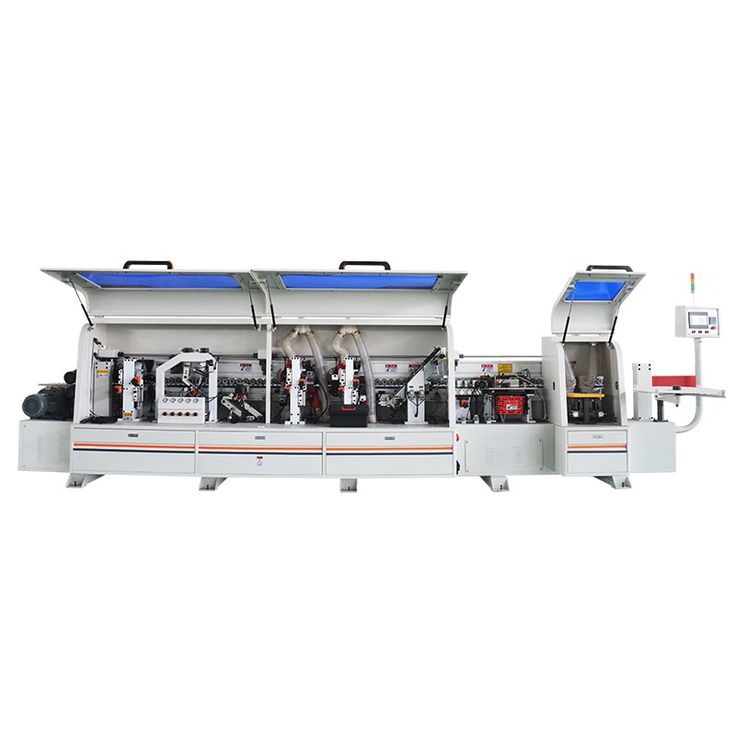
Production lines achieve consistent joint tolerances. These tolerances accelerate the downstream assembly and edge banding machine processing phases.
Processing locally manufactured MDF often requires adaptable equipment due to density variations across different board batches. High-capacity vacuum grids adapt to these variations by pulling flat even slightly warped panels before the cutting cycle begins.
This capability guarantees that depth-critical operations stay uniform. Uniformity is essential for hinge boring and rebate grooving.
Cost Reductions Through Enhanced Nesting Machine Vacuum Systems
Material spoilage accounts for a massive percentage of profit loss in mass furniture production. A highly optimised nesting machine vacuum table slashes this waste by ensuring every small component routes cleanly without shifting.
Factory owners calculate a rapid return on investment through the reduction of scrapped melamine-faced MDF. Replacement of broken carbide tooling represents another significant operational expense for regional workshops.
Rigid part clamping prevents the sudden lateral movements that snap delicate 4mm and 6mm compression bits. Extended tool life reduces monthly consumable expenditures and keeps the CNC running without unplanned maintenance stops.
Workflow Integration for Automated Nesting Machine Suction Tables
Professional Guigui software integrates directly with the multi-zone matrix to instruct the vacuum valves to activate specific quadrants based on the layout. Machine operators load the panel and select the program to allow the system to manage suction distribution automatically.
This programmable control removes the guesswork from spoilboard management. It also reduces setup times between varied production batches. Factory floor workers transition rapidly from manual sizing saws to automated nesting thanks to intuitive control interfaces.
The software visually maps out the active vacuum zones on the control screen. This allows operators to verify the hold-down strategy before engaging the spindle. Visual confirmation prevents disastrous misalignments and empowers less experienced technicians to run complex nests.
Strategic Investment Justification for High Capacity Nesting Machine Vacuum Tables
Capital expenditure on advanced suction technology offsets itself by increasing daily throughput. Workshops scaling up from manual operations find that component rejection rates drop from double digits to near zero.
Financial controllers appreciate the measurable reduction in labour hours previously allocated to cleaning up poorly cut parts. Upgrading to a variable frequency setup lowers factory electricity bills by running the pumps only at the required RPM for the current load.
This energy efficiency makes the machinery suitable for East African industrial zones experiencing high power tariffs. Detailed furniture drilling machine tasks also benefit from the stability provided by these high-performance tables.
Technical Specifications for Industrial Nesting Machine Vacuum Systems
Evaluating industrial CNC routers requires a strict analysis of air displacement and zoning capabilities. East African engineers must specify machinery that matches their densest material requirements and daily sheet volumes.
Vacuum Pump Technology and Power Requirements
Rotary vane and dry claw pumps dictate the ultimate holding force delivered to the spoilboard bed. Facilities must match the kW rating of the pump to their factory’s three-phase power supply to ensure stable operation during peak voltage fluctuations.
High-capacity pumps running at 250 cubic metres per hour provide the essential grip for high-speed nesting.
Table Zone Configurations and Activation Mechanisms
Industrial beds feature phenolic or aluminium grids divided into six or eight independent zones. Pneumatic cylinders govern the valves for each zone and fire instantaneously based on G-code commands.
This grid design enables rapid switching from full 8×4 sheet processing to targeted custom off-cut machining. Efficiency in this area is a common topic in any machinery blog focused on African manufacturing.
Material Compatibility and Fixturing Adaptability
Dense materials like HDF and solid surfacing require different airflow dynamics compared to standard porous MDF.
Workshops process varying board thicknesses by adjusting the variable frequency drive to increase vacuum pull when routing highly porous substrates. Operators also utilise the grid to secure pod-and-rail style fixtures for secondary edge boring tasks.
Installation and Maintenance Best Practices for Nesting Machines
Correct commissioning of the CNC bed determines the long-term accuracy of the entire gantry system. Floor levelling and precision spoilboard surfacing act as the critical first steps before engaging the vacuum pumps.
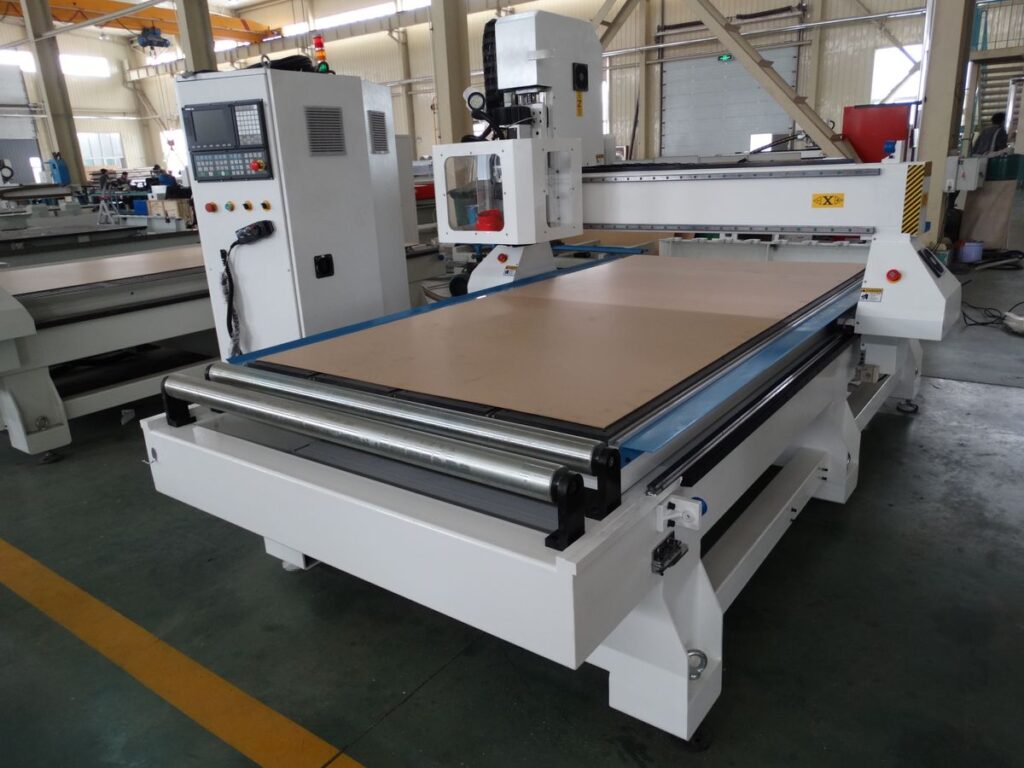
A perfectly flat bed guarantees that the suction distributes evenly across the entire working envelope. This level of precision is also required when operating a panel saw Kenya for preliminary sizing.
Routine Maintenance Schedules for Vacuum Systems
Dust extraction systems capture the bulk of the swarf but micro-dust inevitably settles inside the vacuum matrix. Maintenance crews must systematically clean the inline filters and inspect the pump vanes every 500 operating hours.
Neglecting these filters chokes the airflow. This neglect compromises the hold-down force on critical small components.
Operator Training and Safety Protocols for Nesting Machines
Operating high-speed spindles necessitates strict adherence to machine safety guidelines. Engineers train local floor staff to recognise the auditory cues of vacuum loss before catastrophic part ejection occurs.
Proper spoilboard facing routines guarantee the underlying MDF acts as a breathable layer rather than a blocked barrier.
Regional Support for Nesting Machine Vacuum Tables in East Africa
Importing heavy machinery demands robust aftermarket support and immediate parts availability within the region. About AOE, it is important to note that regional technicians stock replacement vanes, inline filters, and solenoid valves to prevent extended production halts.
Reliable local engineering support transforms a complex CNC installation into a dependable manufacturing asset. Scheduled preventive maintenance by certified technicians extends the lifespan of the vacuum pumps and pneumatic manifolds.
Workshops partnering with local specialists avoid the severe delays associated with flying in diagnostic engineers from overseas. This proximity ensures factories hit their monthly production targets without fail.
Industrial Solutions Provided by AOE for Nesting Machine Integration
AOE specifies and installs industrial grade routing equipment tailored to the exact demands of East African panel processors. Production facilities gain access to machinery designed specifically to handle local board variations and industrial power grid realities.
AOE technicians calibrate every system to maximise yield and minimise material waste right from the first test cut. Interested parties should request demo sessions to see these vacuum systems in operation.
AOE Engineering Recommendation
Verdict: Integrating a variable frequency, multi-zone nesting machine vacuum table is an operational necessity for modern cabinetry workshops. Upgrading from standard single-zone tables eradicates the shifting of small drawer parts.
This upgrade guarantees rigid dimensional accuracy and provides a measurable, accelerated ROI through saved material and extended tool life.