
Selecting the best router bits for MDF nesting requires abandoning standard straight tooling in favour of solid carbide compression cutters to sustain high feed rates without edge tear-out.
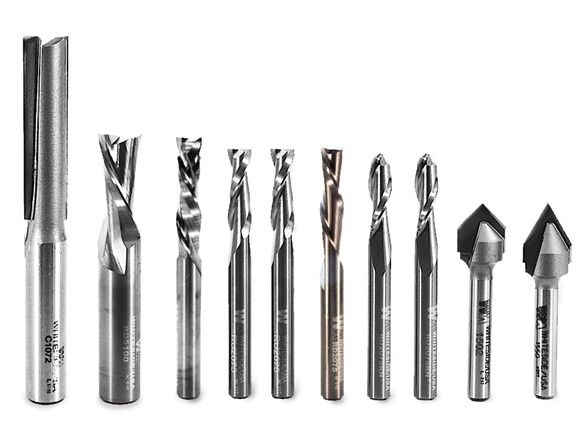
East African furniture manufacturers processing double-sided melamine and high-density fibreboard need these specialised geometries to eliminate fuzzy edges and reduce manual sanding.
Adopting high-performance KWS tooling directly lowers labour costs on high-volume production lines by removing secondary finishing requirements.
| Tooling Type | Feed Rate Capacity (m/min) | Edge Quality (Top & Bottom) | Material Suitability | Estimated Tool Life (Metres) |
|---|---|---|---|---|
| Standard Straight Bit | 5 to 8 | Poor (Chipping/Fuzzing) | Solid Timber, Low-Density MDF | 400 to 600 |
| Solid Carbide Up-Cut Spiral | 10 to 12 | Good Top / Poor Bottom | Single-sided Veneer | 1,200 to 1,500 |
| KWS Compression Bit | 15 to 25 | Excellent (Zero Rework) | Double-sided Melamine, HDF | 3,500 to 5,000 |
Router Bit Geometries for MDF Nesting and Engineered Panel Materials
Standard straight bits dull quickly and leave fuzzy edges on engineered panels. Using KWS compression bits forces the chips inward toward the centre of the material. This action leaves a perfectly crisp edge on both the top and bottom of double-sided melamine.
The dual-action cutting geometry ensures the top veneer is pushed down while the bottom veneer is pulled up. This configuration traps the cutting force within the core of the board and prevents surface delamination.
Solid carbide construction guarantees the cutter withstands the highly abrasive glue resins found in modern medium-density fibreboard. Production managers in Kenya observe immediate improvements in board yield and finish consistency when tooling geometry matches the material density.
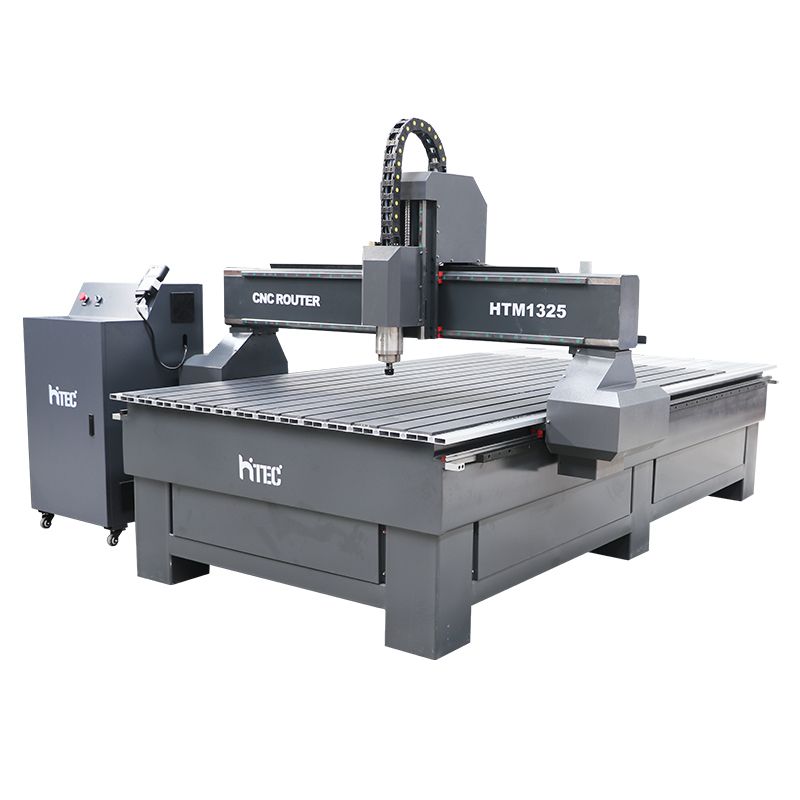
These tools are essential for any high-output CNC nesting router environment where uptime is the primary performance metric.
CNC Parameter Optimization for Maximum Speed and Tool Longevity
Matching spindle speed with the correct feed rate prevents heat build-up and premature tool degradation. Spindle speeds of 18,000 to 24,000 RPM paired with feed rates exceeding 15 metres per minute keep the cutter engaged aggressively.
This movement forces the heat to dissipate through the wood chips rather than the tool body. Excess heat is the primary cause of carbide micro-cracking and edge rounding.
Slow feed rates cause the carbide to burn the MDF binders. This friction dulls the cutting edge and increases tool replacement frequency. CNC operators must calculate the precise chip load to ensure the tool shears the material efficiently instead of rubbing against it.
Effective furniture CAD CAM Kenya integrations allow for automated feed rate adjustments based on tool diameter and material thickness.
Economic Analysis of Premium Router Bits in High Volume Manufacturing
Initial procurement costs for premium compression bits exceed standard straight or spiral cutters. The return on investment materialises within the first major production run.
Factory owners reduce machine downtime by significantly extending the operational lifespan of the tooling. A reduced scrap rate from edge chipping pays for the higher tool cost and lowers the overall cost per cut across the workshop.
Many managers find that industrial panel dividing operations also benefit from matching tooling quality across the entire production floor.
Chip Evacuation and Material Hold Down for Continuous Nesting
Efficient chip extraction keeps the tool path clear. This prevents the bit from re-cutting waste material and generating excessive heat. High-velocity dust collection systems preserve tool temper and maintain safe operating temperatures during continuous East African manufacturing shifts.
Dust accumulation in the cut path acts as an abrasive that wears down the relief angles of the tool. Strong vacuum hold-down secures the MDF sheet against the spoilboard. This force counteracts the upward lifting pressure generated by the bottom up-cut portion of a compression bit.
Poor part holding leads to chatter marks, broken tools, and rejected components. Consistent vacuum pressure is vital when processing small parts that have less surface area for suction.
Maintenance Protocols and Supplier Partnership in East Africa
Implementing a strict tool replacement schedule based on cutting hours prevents catastrophic bit failure and protects expensive spindle bearings.
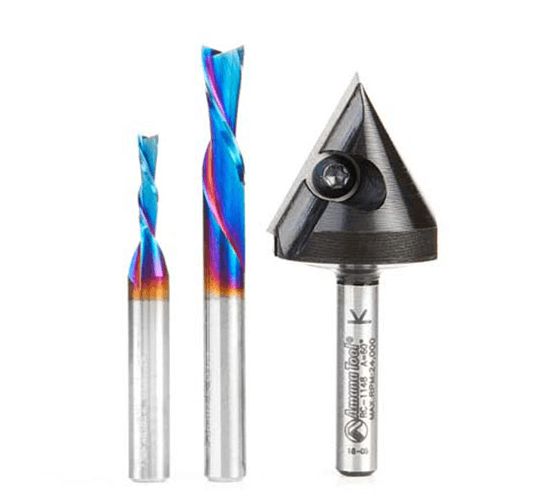
Regular cleaning to remove resin build-up restores cutting efficiency. This practice reduces friction and extends the usable life of the cutting edge. Operators should inspect bits for pitch build-up after every eight-hour shift to maintain peak performance.
East African workshops benefit from partnering with local experts who provide technical tooling audits. Professional distributors ensure operators have continuous access to the correct bit profiles. This removes production bottlenecks caused by waiting for imported spares.
For complex setups, a machinery consultation Kenya provides a roadmap for tool selection based on specific local power and humidity variables.
Production Efficiency and Downstream Quality Impacts
Inferior tooling slows down the entire nesting operation. This forces operators to lower feed rates to achieve a barely acceptable edge finish. Precision-ground carbide tools allow CNC routers to operate at maximum mechanical capacity.
Increasing the daily sheet yield ensures the factory remains competitive in the regional furniture market. Refer to production tips Africa for more data on throughput optimisation.
Consistent edge quality directly impacts downstream processes. A perfectly square, chip-free face guarantees strong glue adhesion and invisible seam lines on an edge banding machine.
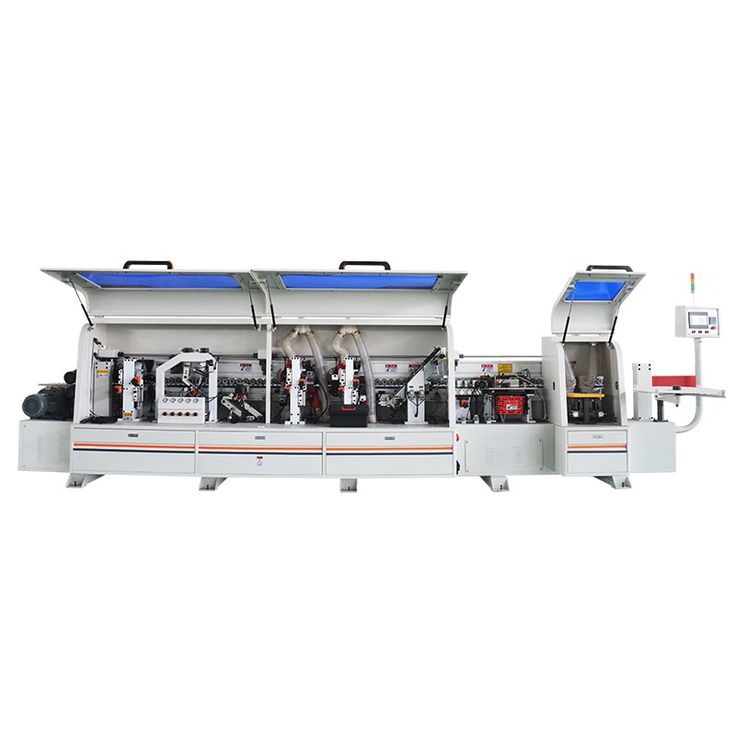
Workshop engineers eliminate manual intervention and allow parts to move directly from the router to the next station without delay. This flow is further enhanced when integrated with 6-sided drilling technology for hardware preparation.
Labour Cost Reduction through Minimal Post Processing
Scraping and sanding fuzzy MDF edges consumes hundreds of man-hours per month in busy commercial joinery shops. Eliminating this manual rework removes a major labour expense and accelerates the overall manufacturing cycle.
Skilled labour is better utilised in assembly and quality control rather than corrective sanding. For more information on upgrading your workshop, woodworking machines Nairobi specialists offer tailored advice.
Operators output ready-to-assemble cabinet parts straight from the machine bed. Factory owners reallocate finishing staff to more productive assembly tasks.
This transition improves overall shop floor output and profit margins. Modern manufacturing success relies on the synergy between high-performance tooling and automated machinery.
Router Bit Optimization and CNC Consulting with AOE
AOE technicians calibrate each machinery installation to address local shopfloor power variables and material sourcing. We integrate the exact tooling specifications needed for profitable panel processing.
Our team evaluates your current spindle parameters, material types, and production targets to recommend the most cost-effective cutting solutions. For technical support or hardware questions, please submit machine inquiries to our engineering department.
Upgrading your CNC operations with proper compression tooling and parameter tuning guarantees maximum throughput. Engineering precision directly onto your factory floor ensures your East African manufacturing business remains highly competitive and scalable.
Precision tooling is not an expense but a critical investment in production reliability.