
A 6-sided drilling machine accelerates modular kitchen cabinet assembly by processing all panel faces simultaneously. This technology reduces cycle times from minutes to seconds per board for East African manufacturers.
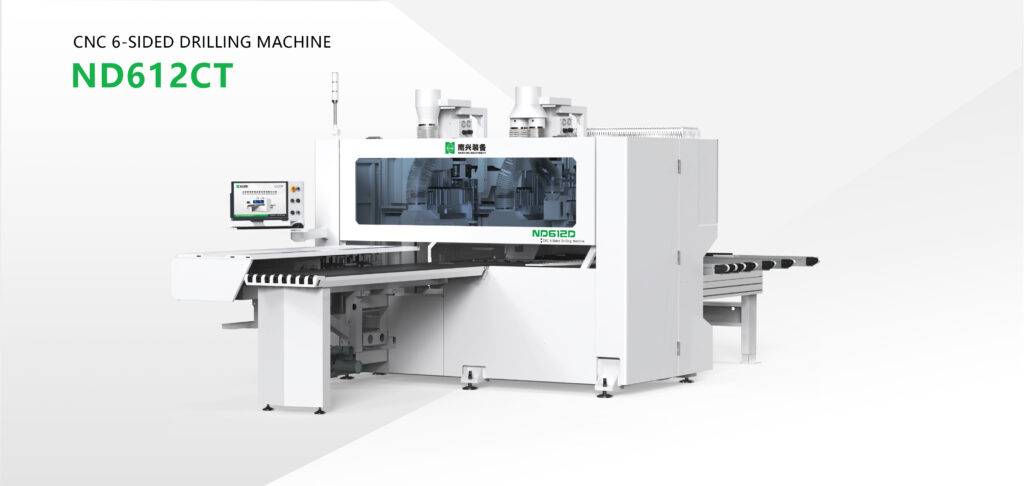
Factory managers upgrading from point-to-point boring systems eliminate multi-handling errors. This shift directly increases daily throughput and reduces the necessity for highly skilled manual labour.
Production facilities in Nairobi and Kampala benefit from 6-sided drilling units that maintain high accuracy during high-volume shifts.
| Machining Setup | Average Setup Time | Processing Time (18mm Panel) | Operator Requirement | Shift Output (Panels/8hr) |
|---|---|---|---|---|
| Manual Point-to-Point Boring | 15 – 20 minutes | 3.5 minutes | High Skill / 2 Operators | Approx. 120 – 150 |
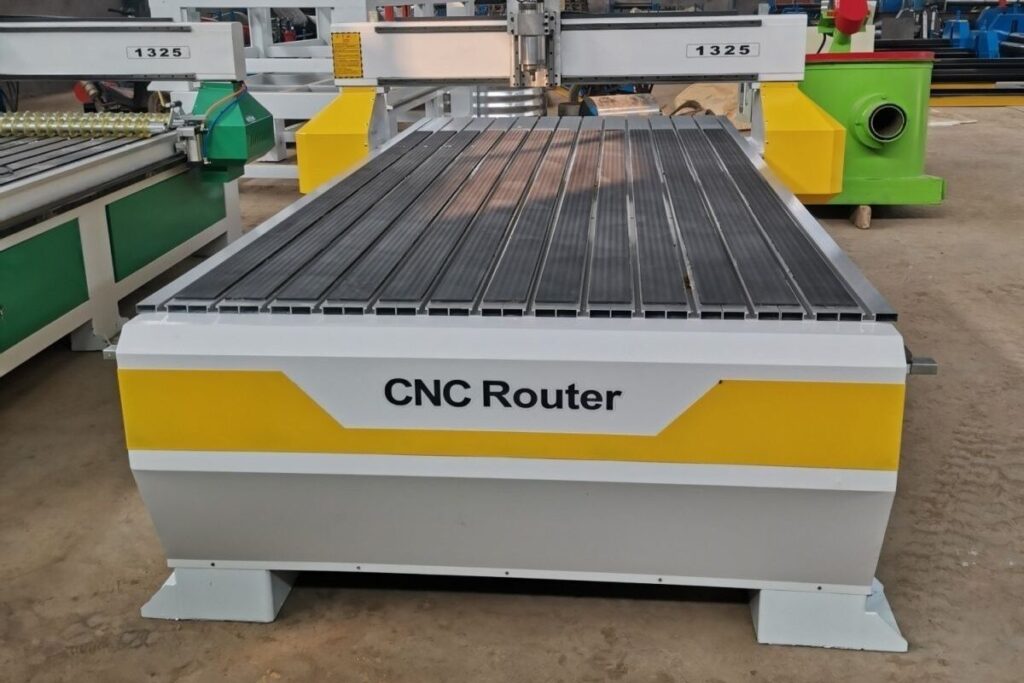
| Standard 3-Axis CNC Router | 3 – 5 minutes | 2.0 minutes (Requires turning) | Medium Skill / 1 Operator | Approx. 200 – 240 |
| Automated 6-Sided Drilling Machine | 0 minutes (Barcode Driven) | 0.5 minutes (Single pass) | Low Skill / 1 Operator | Approx. 800 – 1,000+ |
Technical Engineering Standards of 6-Sided Drilling Systems
Traditional boring operations require operators to manually flip panels to address different faces. This manual handling introduces human error and increases the risk of surface scratches on expensive materials.
Advanced 6-sided drilling equipment uses dual operating heads to bore the top, bottom, and all four edges in a single pass. The continuous feed mechanism protects delicate melamine finishes. These machines guarantee exact geometric tolerances across the entire production run.
Configuration Flexibility for Complex Drilling Patterns
Modern kitchen cabinets require complex hardware configurations including concealed hinge cups, adjustable shelf pins, and drawer runner mounts. Independent drill banks allow production engineers to execute multiple bore diameters and depths concurrently.
Operators switch between base units and wall cabinets instantly through barcode-driven software. This automated transition eliminates physical retooling delays on the factory floor. Manufacturers often integrate these systems with a CNC nesting router to streamline the initial panel sizing process.
Optical Sensor Integration and Error Prevention
Minifix and dowel construction requires perfect alignment for structural integrity. A 6-sided drill uses precision optical sensors to map the board dimensions in real-time. These sensors ensure holes align perfectly so cabinets snap together on-site without manual adjustments.
The automated verification system rejects out-of-tolerance panels before drilling begins. This protective measure secures factory margins and accelerates on-site installation for residential developments.
Productivity Gains in Modular Cabinet Assembly
Replacing manual multi-step routing with automated multi-face processing fundamentally changes factory output limits. Production managers observe a significant increase in daily panel completion rates when transitioning to six-sided systems.
Fitters assemble the resulting highly accurate components faster than traditionally bored panels. This efficiency reduces overall project delivery times for large-scale furniture contracts.
Production Line Integration and Workshop Automation
High-volume workshops connect these drilling units directly downstream from an edge banding machine for a continuous workflow. Roller conveyors and return systems feed machined panels straight into the drilling queue without human lifting.
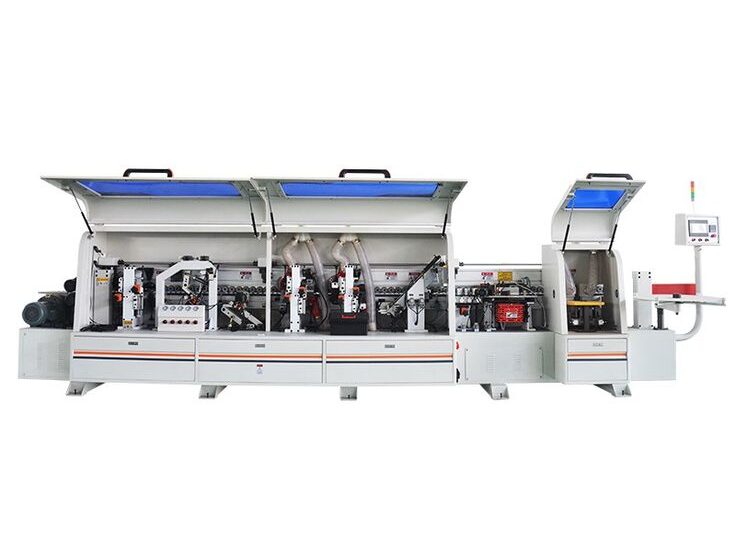
This continuous flow prevents bottlenecks and maximises the return on upstream cutting equipment. The layout allows a single operator to manage the output of multiple machines.
Operator Interface and Industrial Software Control
Factory floor staff operate the machinery via industrial touchscreens running intuitive graphic interfaces. The operator scans a part label to retrieve the correct routing parameters from the server automatically.
This interface allows factories to deploy technicians with basic training for complex tasks. This approach addresses regional shortages of specialised wood machining experts. Following manufacturing trends Kenya, more facilities are adopting this digital-first approach to production.
Data Exchange Protocols and Software Compatibility
The control systems read standard MPR, DXF, or XML files generated by leading furniture CAD CAM Kenya platforms. Designers in the technical office send complete kitchen batch files directly to the machine.
Bypassing manual data entry on the shop floor prevents transcription errors. This digital link accelerates the design-to-production pipeline and ensures that the final product matches the approved architectural drawings.
Economic Impact and Operational Savings for Regional Manufacturers
Capital expenditure on advanced boring machinery provides a sustainable path to reducing operational overheads. Workshop owners eliminate the wages and supervision costs associated with running multiple manual drilling stations.
Financial controllers report measurable drops in spending on industrial saw blades and drill bits due to optimised tool pathing and controlled spindle speeds. The machine maintains consistent precision that manual labour cannot replicate over an eight-hour shift.
Return on Investment Calculations for Capital Equipment
East African facilities producing custom kitchens at volume typically achieve full ROI within 14 to 18 months. The calculation factors in reduced scrap rates and lower overtime payouts.
The increased capacity allows businesses to win larger commercial contracts that require strict lead times. Long-term profitability scales rapidly once the initial equipment finance terms are cleared.
Modern drilling centres provide the reliability needed for 24/7 production cycles.
Labour Cost Reduction and Production Stability
A single automated drill replaces up to four standard boring stations and their respective operators. Factories reassign these workers to quality control or final assembly roles.
This strategy multiplies factory throughput without inflating the monthly payroll. Consistent machine pacing stabilises production forecasting for factory management. Owners can predict exact delivery dates with higher confidence.
Material Waste Reduction and Quality Assurance
Manual boring relies heavily on operator concentration which often results in misaligned holes and scrapped MDF boards. Optical alignment and rigid clamping systems guarantee that every panel matches the digital blueprint.
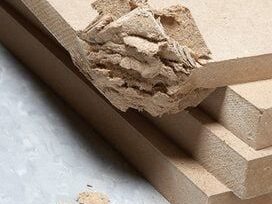
Lowering the scrap rate directly reduces raw material expenditure. This precision protects profit margins on high-value gloss, acrylic, or veneered panels.
Technical Support and Regional Spare Parts Availability
Industrial equipment requires robust local backing to maintain uptime in demanding production environments. AOE technicians calibrate each installation to address local shopfloor voltage variability and high ambient dust levels.
Regional warehouses stock critical replacement parts including spindles, sensors, and servo motors. This local presence ensures East African factories avoid costly international shipping delays during maintenance intervals.
Market Scalability for Growing Housing Demand
Rapid urbanisation drives intense demand for precision-built modular housing interiors across East Africa. Investing in high-speed machinery allows established joinery businesses to scale operations to meet rigorous commercial tender requirements.
This technological edge secures long-term competitiveness against imported flat-pack furniture. Local manufacturers can offer the same quality as international brands while maintaining shorter lead times.
Mass Customisation Capabilities in Batch Manufacturing
Custom residential projects require constant variations in cabinet sizes and hinge placements. Advanced drilling systems process bespoke panels just as efficiently as identical runs by reading individual part barcodes.
This flexibility lets manufacturers deliver highly customised kitchens at mass-production speeds. The system handles “Batch-of-One” production without stopping the line for adjustments.
Cycle Time Optimisation for High Volume Output
Simultaneous multi-face processing cuts typical panel drilling times from three minutes down to roughly thirty seconds. Fast transit speeds and rapid spindle deployment keep the machine continuously engaged with raw material.
The reduction in “air-cut” time ensures the spindle spends more time processing wood and less time in transit. This efficiency is critical for maintaining high output during peak production seasons.
Material Compatibility and Surface Protection
Pneumatic clamping and intelligent material feed systems handle a wide spectrum of sheet goods. The machine processes everything from 9mm backings to 40mm heavy-duty worktops.
Variable pressure settings prevent the grippers from marking delicate surfaces during high-speed transit. This adaptability ensures factories can process entire kitchen manifests through a single piece of equipment without damaging premium finishes.
Strategic Implementation with AOE Technical Partners
Industrial machinery investments require technical partners who understand the realities of regional manufacturing. AOE supplies heavy-duty drilling centres backed by comprehensive operator training programmes.
Production engineers receive direct guidance on software integration and layout optimisation. To see these systems in operation, manufacturers can schedule a machinery consultation Kenya to evaluate specific production requirements.
Final Engineering Recommendations
For workshop managers processing more than 50 standard kitchen cabinets per week, the 6-sided drilling machine is a vital investment. Removing manual part orientation and aligning every hole via optical sensors reduces costly on-site assembly adjustments.
East African manufacturers using this technology immediately lower per-unit production costs and improve their market position through superior product consistency.