
Combination spindle technology prevents melamine edge tearing during drilling by precisely controlling plunge speeds and retraction forces on automated machinery.
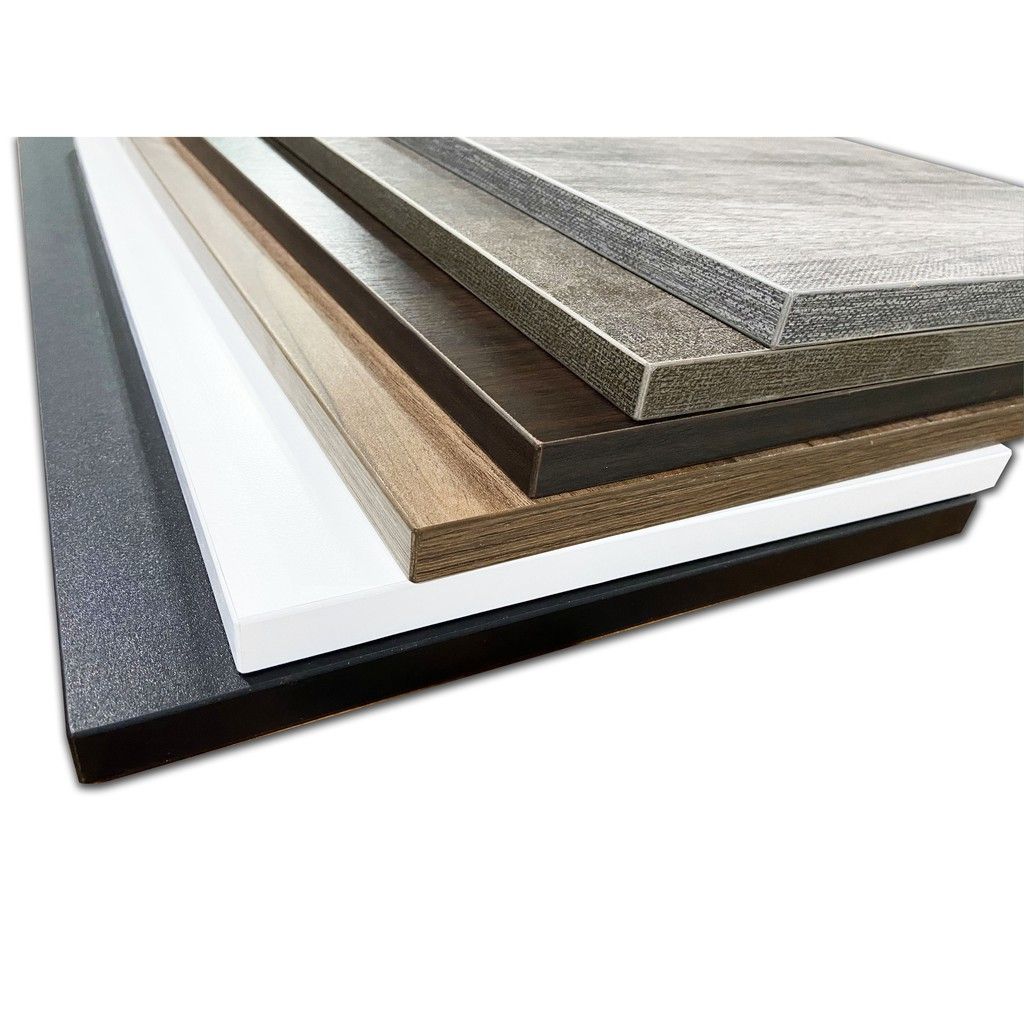
East African furniture manufacturers processing delicate double-sided panels rely on this mechanical advancement to eliminate bottom-face blowout and reduce material rejection rates.
High-performance advanced drilling machines utilise these spindles to maintain surface integrity across high-volume production cycles.
Comparison of Drilling Technologies for Panel Processing
Factory owners must evaluate core mechanical specifications before integrating a new drilling system. Comparing traditional pneumatic blocks to servo-driven combination spindles highlights the operational advantages for East African woodworkers.
| Technical Feature | Pneumatic Spindle System | Combination Spindle (ND612D) | Production Impact |
|---|---|---|---|
| Plunge Control | Constant pressure with abrupt exit | Servo-modulated entry and exit | Eliminates bottom-face blowout |
| Tool Lifespan | Moderate due to friction heat | Extended via optimised feed rates | Reduces tooling costs by 20% |
| Setup Method | Manual physical stops | Digital density matching | Accelerates batch changeovers |
| Defect Rate | 8 to 15 percent on average | Less than 1 percent | Minimises material waste |
Mechanical Principles of Combination Spindle Technology
Traditional drilling units rely on constant pneumatic pressure. This pressure often forces the bit through the final millimetres of a panel with excessive aggression.
Combination spindles utilise sophisticated servo-driven feed controls to modulate the entry and exit speeds of the bit dynamically. This controlled movement ensures the cutting edges shear the melamine resin cleanly rather than fracturing the brittle surface layer.
Factory floor engineers can programme these spindles to match specific board densities and resin types. Adjusting the torque curve prevents tool deflection. This stability ensures every dowel hole and cam-lock pocket remains perfectly cylindrical. Mechanical stability is critical for automated panel processing environments where precision directly affects assembly speed.
Workshops utilizing a CNC nesting router often integrate these spindles to handle complex boring patterns in a single pass. Precise z-axis control allows the machine to adjust for slight variations in board thickness, which is a common challenge with regional board supplies.
Mitigating Melamine Surface Fractures and Bottom Face Blowout
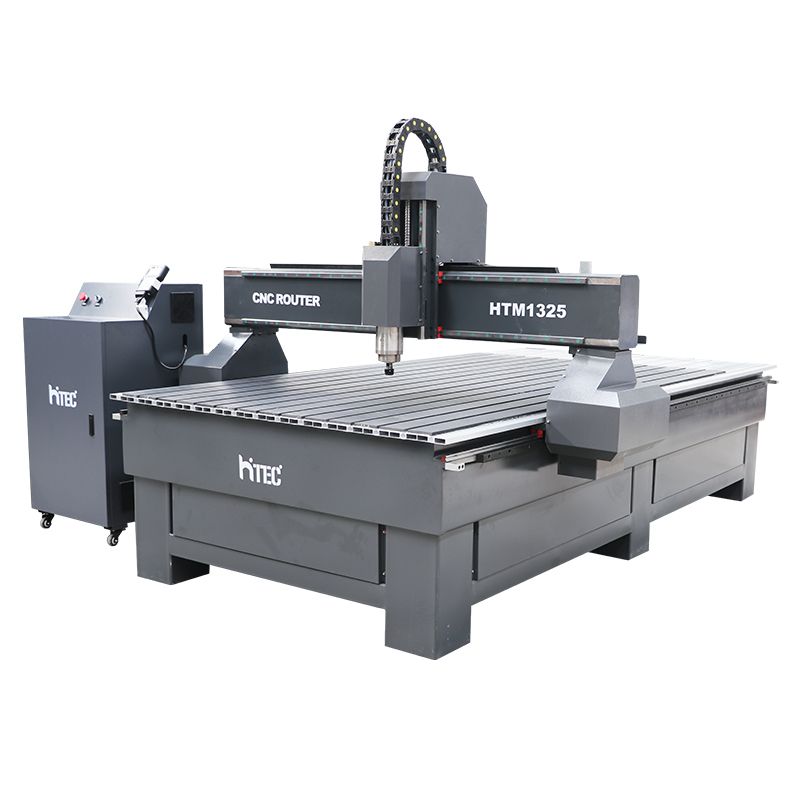
Standard drill bits tear the edges of melamine when exiting the bottom face of the board due to unsupported pressure. The ND612D uses a specialised combination spindle that controls the plunge speed and retracts cleanly.
This action prevents blowout on the delicate bottom face. Production managers see a drop in post-drilling defect rates. This reduction removes the need for manual touch-ups or edge filling.
Machinery equipped with advanced boring blocks maintains the structural integrity of the panel core. The elimination of micro-fractures around connection points prevents hinges and cam fittings from loosening over time.
This improvement upgrades the final build quality of the furniture and reduces long-term warranty claims for the manufacturer.
Material Yield Improvements through Precision Drilling Systems
Combination spindle systems optimise material yield by guaranteeing hole integrity on high-cost decorative panels. Scrapping an entire wardrobe side panel because of a single blown-out hinge hole heavily impacts factory profitability.
Upgrading to this spindle architecture protects raw material investments. The system maximises the output of usable flatpack components per shift.
Procurement teams notice a decrease in replacement board orders after transitioning to controlled-plunge technology. Preserving pristine panel surfaces allows factories to maximise offcut usage for smaller structural components.
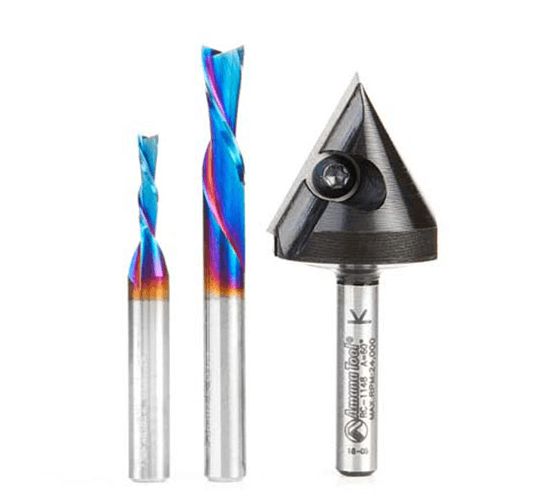
This efficiency is possible because the edges remain intact even when drilling near the board boundary. High-quality industrial router bits further enhance this process by maintaining sharp profiles for longer durations.
Operational Throughput Gains from Advanced Spindle Integration
Advanced spindle technology increases factory throughput by removing the need for operators to manually slow down machine feed rates. Automated CNC lines equipped with these units process 18mm particleboard at maximum speeds without compromising the finish quality.
Faster cycle times translate to higher daily production volumes for large-scale commercial fit-out projects. For manufacturers looking to upgrade, woodworking machines Nairobi suppliers provide the necessary hardware and technical support for these upgrades.
Operators spend less time changing out dull tooling or recalibrating pneumatic pressures. The consistent machining parameters maintained by the combination spindle ensure steady and predictable manufacturing cycles during heavy production runs.
Stability in the production line allows for better scheduling and more accurate delivery timelines for clients.
Financial Return and Lifecycle Value of Spindle Upgrades
Machinery buyers evaluating combination spindle technology must calculate the reduction in board wastage and rework labour. Eliminating manual hole-cleaning tasks allows workshop managers to redeploy staff to assembly or packaging lines.
The initial capital expenditure typically recovers within eight to twelve months for high-volume factories operating double shifts. Long-term value emerges from extending the lifespan of premium drill bits. Controlled plunge dynamics reduce friction and heat build-up.
This protection preserves the sharp carbide edges and lowers annual tooling replacement costs. Consistent performance reduces the strain on the motor and drive systems, leading to lower overall maintenance requirements over the machine’s life.
Technical Support Infrastructure for Manufacturers in East Africa
AOE provides comprehensive on-site training for machine operators across East Africa to ensure proper spindle calibration. Local technicians face unique challenges with dust extraction and factory voltage fluctuations. These factors can affect servo precision if not managed correctly.
Routine maintenance workshops equip factory staff in Nairobi and Kampala with the skills to adjust plunge parameters and replace tooling independently. Scaling a manufacturing operation requires reliable machinery backed by accessible technical expertise.
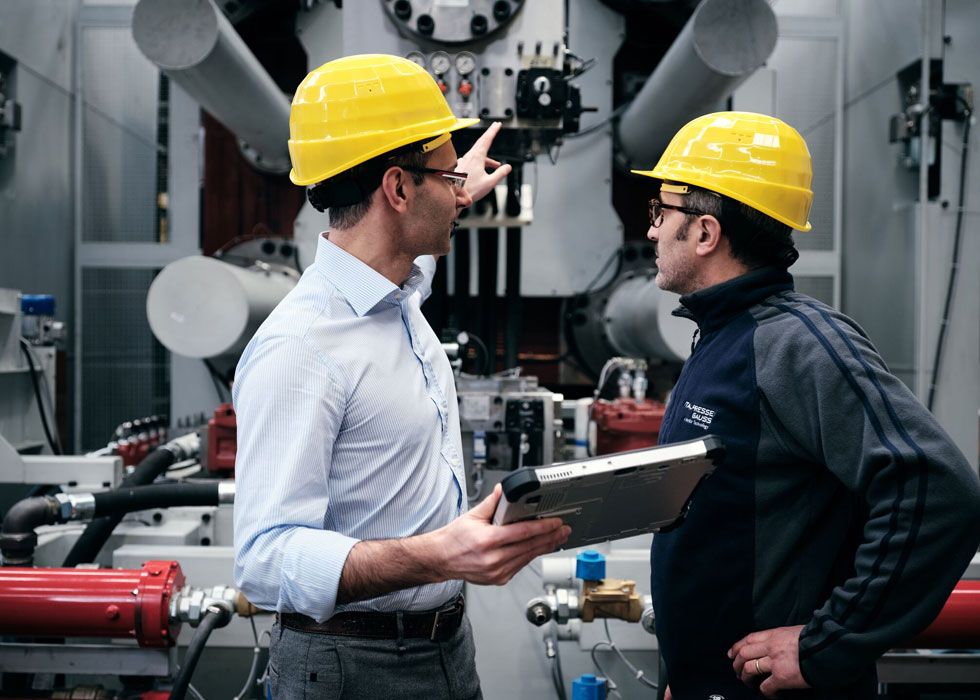
Equipping staff with proper diagnostic procedures prevents minor calibration issues from escalating into production halts. The use of industrial design software helps technicians simulate drilling paths before the first hole is made, further reducing the risk of error.
Export Compliance Standards for Regional Furniture Producers
Precision combination spindle drilling enables East African manufacturers to meet strict international tolerances for ready-to-assemble furniture. Export markets demand flawless joints and clean hardware insertions.
These results are impossible to achieve with ragged or torn drill holes. Elevating hole quality secures lucrative contracts with regional developers and high-end residential contractors who require European-standard finishes.
Standardising production to these export tolerances gives local factories a distinct competitive advantage over regional imports. Quality assurance teams can confidently pass panel batches knowing the combination spindle has maintained sub-millimetre accuracy across the entire run.
This consistency is vital for furniture that must be shipped flat and assembled by the end consumer without professional assistance.
Installation Protocols for Integrated Boring Units
Upgrading factory lines requires strict adherence to manufacturer guidelines for both physical installation and software integration. Proper alignment of the boring block dictates the long-term reliability of the entire spindle assembly.
Establishing standard operating procedures for the new equipment ensures operators maximise its technical capabilities from the first day of operation.
Technical Installation and Factory Integration
AOE engineering teams execute machine installations with minimal disruption to ongoing factory operations. Integrating the new spindle software into existing workflows allows production to resume rapidly with enhanced precision.
Technicians calibrate the z-axis sensors to accommodate the exact board thicknesses standard in the local market. This calibration accounts for the slight density variations found in locally manufactured chipboard and MDF.
Maintenance Schedules and Spare Parts Availability
Preventative maintenance schedules dictate daily air pressure checks and weekly spindle lubrication to maintain peak operational accuracy. AOE stocks critical replacement parts locally to prevent production downtime.
Rapid access to industrial-grade components ensures combination spindles operate at maximum efficiency throughout the year. To see these systems in operation, manufacturers can request a machinery consultation Kenya to visit a live production site.
Spindle Speed and Torque Considerations
High-torque motors drive combination spindles to penetrate high-density fibreboard without stalling or dropping RPMs. Maintaining consistent rotational speeds during the cutting phase prevents the drill bit from binding and overheating.
Engineers match the spindle speed directly to the feed rate. This synchronisation prevents friction burns on the interior walls of the drilled holes, which is essential for ensuring a tight fit for glue and dowel assembly.
Versatility Across Different Panel Materials
Modern manufacturing demands versatility. These spindles transition from standard particleboard to high-pressure laminates (HPL). Workshops processing acrylic-faced boards or delicate real-wood veneers rely on the controlled plunge mechanism to prevent surface cracking.
This adaptability makes the technology an essential asset for diverse custom cabinetry production lines that handle multiple material types within a single project.
Partnership for Manufacturing Excellence
AOE Engineering Verdict Combination spindle technology represents a mandatory upgrade for workshops looking to eliminate melamine blowout and scale production profitably. AOE supplies and services elite machinery like the ND612D.
This ensures East African factories maintain world-class precision on every panel. Contact the AOE technical team to schedule a detailed machinery audit and calculate the potential material savings for your specific production line.