
Selecting the correct maximum 45-degree cutting thickness determines if a panel saw in Kenya can execute complex mitres without secondary processing. Factory owners frequently underestimate how blade tilt reduces overall vertical reach.
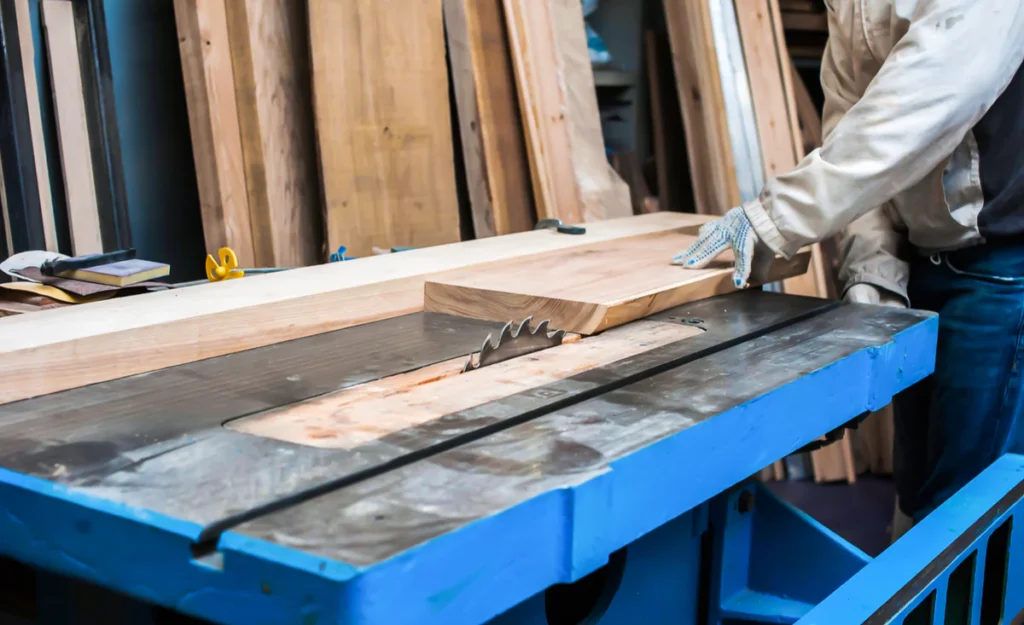
This error leads to stalled production lines when fabricating heavy-duty cabinetry or thick solid-wood components. Industrial workshops in Nairobi and across East Africa require specific depth metrics to ensure that thick hardwoods do not require multiple passes.
| Performance Metric | Standard Workshop Saw | AOE MJ1132F Industrial Saw | Production Line Advantage |
|---|---|---|---|
| 90-Degree Maximum Depth | 100mm | 120mm | Enables processing of double-stacked 50mm board batches. |
| 45-Degree Maximum Depth | 50mm | 71mm | Accommodates single-pass thick waterfall mitre joints. |
| Blade Tilt Adjustment | Manual Handwheel | Motorised Digital Control | Eliminates setup errors and reduces operator fatigue. |
| Motor Power Rating | 4.0 kW | 5.5 kW | Maintains RPM through dense tropical hardwoods. |
Bevel Cutting Depth Metrics for Industrial Panel Saws
Standard machines experience a sharp drop in processing depth when operators angle the main blade for bevel cuts. This geometric limitation means a machine rated for 120mm cuts at 90 degrees routinely struggles to process 60mm stock on a tilt.
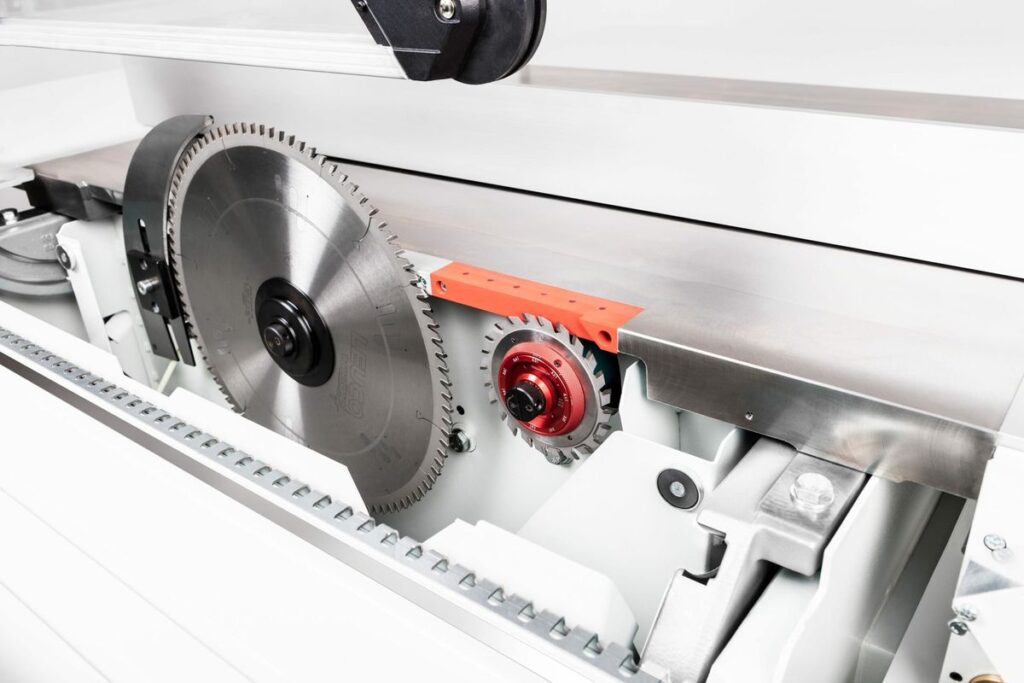
Workshop engineers must verify this specific metric to prevent material binding and dangerous blade deflection during heavy angled operations. High-quality industrial saw blades perform best when the machine maintains sufficient torque at these extreme angles.
Maintaining blade stability at extreme angles demands robust internal trunnions and high-torque motors. East African factories process dense materials like mahogany or compacted MDF. An underpowered saw forcing a deep angled cut will suffer rapid RPM loss.
Sustaining blade speed through thick stock guarantees a clean finish. This consistency prevents thermal damage to expensive carbide teeth and reduces the need for sanding before moving panels to an edge banding machine for finishing.
Joinery Production with High Capacity 45-Degree Cutting
Operators tilting the blade to 45 degrees for mitred corners will observe a natural drop in cutting depth across all machinery. The AOE MJ1132F maintains a 71mm cutting thickness at 45 degrees.
This capacity is vital for making thick, gap-free waterfall countertops and substantial architectural fixtures. Equipping the shop floor with this deep-cut capability eliminates manual router passes. It accelerates the assembly of premium commercial casework.
Industrial joinery operations rely on this depth retention to manufacture complex V-groove folds and heavy substrates. A high cutting capacity allows operators to stack thinner panels for batch processing even on a bevel. This technique multiplies hourly output.
Production managers see a reduction in assembly bottlenecks when complex joints require only a single, precise saw pass. Factories integrating these saws alongside a CNC nesting router can achieve higher precision across diverse product lines.
Structural Integrity and Control for Angled Saw Operations
Cast-iron trunnions provide the rigid foundation required to hold heavy blade assemblies stable during severe tilt operations. East African workshops face varying timber densities. This makes vibration control absolutely critical for achieving chip-free edges on fragile melamine panels.
Advanced woodworking machines in Nairobi feature dynamic balancing systems. These systems absorb motor harmonics before they transfer to the cutting surface.
Modern panel saws incorporate motorised tilt controls and digital encoders to bypass manual handwheel inaccuracies. Operators lock in exact angles to a tenth of a degree without manual recalibration.
This ensures perfect joint alignment across large production runs. Heavy-duty linear guideways on the sliding carriage prevent lateral drift. These guides keep the timber strictly parallel to the tilted blade during high-speed feeding.
Material Throughput and ROI for Mitered Joinery
Processing angled joints in a single pass improves daily throughput and protects workshop profit margins. Inadequate depth capacities force operators to flip thick panels.
This doubles processing time and introduces alignment errors that ruin expensive sheet goods. Accurate single-pass cutting is the most effective way to improve the production tips in Africa regarding material yield.
Deploying machinery with superior depth metrics directly translates to higher daily panel yields. Production teams spend less time adjusting blade heights and more time feeding material through the cutting station.
Efficiency gains are particularly noticeable when processing oversized components for the hospitality or commercial office sectors.
Installation Support and Training for East African Factories
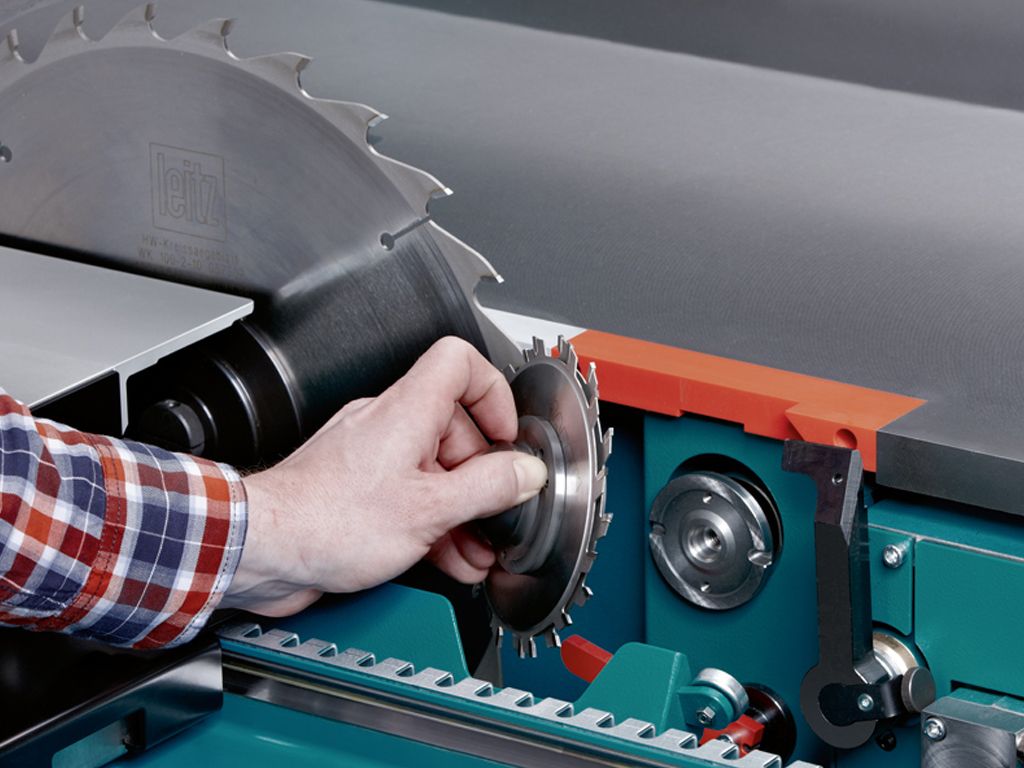
High-precision angle cutting requires exact machine levelling and regular calibration against continuous shopfloor vibration. Machinery suppliers in Kenya must provide technical baselining for every installation.
AOE technicians baseline every sliding table saw to combat local voltage fluctuations. They align the carriage tracks for zero-tolerance operation. Preventative maintenance contracts keep the tilt gears free of compacted sawdust. This ensures long-term mechanical accuracy for the life of the machine.
Comprehensive operator training guarantees your production teams understand specific feed rates for angled cuts. Educating staff on how to match saw blade geometry with timber density prevents motor burnout. It also extends the operational lifespan of the machine.
Factories should schedule a machinery consultation in Kenya to evaluate their specific material requirements before purchase.
Waste Reduction in Large Scale Furniture Production
Precise bevel cuts eliminate wide glue gaps and reduce the volume of chemical filler required during final cabinet assembly. Workshop managers tracking material costs note that accurate angle retention lowers offcut waste on premium imported laminates.
Clean, single-pass mitres allow factories to maximise the usable square footage of every raw board. This level of accuracy is essential when the output is destined for high-end furniture drilling machines and automated assembly lines.
Scoring blades aligned perfectly with the tilted main blade prevent bottom-edge tear-out. This dual-blade synchronisation rescues expensive veneered panels from the reject bin during complex architectural runs.
Superior dust extraction shrouds designed for 45-degree operations remove debris instantly. This prevents offcuts from jamming against the blade and causing deep gouges in the workpiece.
Investment Strategy for High Performance Sliding Table Saws
Procuring a sliding table saw based solely on its standard upright cutting depth creates immediate production bottlenecks when complex joinery orders arrive.
Prioritising an aggressive 45-degree cutting thickness ensures your facility can handle high-margin architectural millwork and heavy-duty countertop fabrication without compromising speed.
Factory owners must specify high-capacity machines like the MJ1132F to secure predictable, high-yield manufacturing outputs across all panel dimensions.
Consistent output quality remains the primary driver of repeat commercial contracts in the competitive East African manufacturing sector.