
| Requirement Category | Standard 5.5kW Motor Spec | Kenya Factory Requirement |
|---|---|---|
| Voltage & Phase | 415V AC / 50Hz Three-Phase | Requires dedicated line from main distribution board. |
| Full Load Amperage | Approx. 11.0 Amps | Needs 4mm² copper cabling to handle ambient heat. |
| Start-up Current | 35.0 – 55.0 Amps (Transient) | Demands Type D breakers to prevent nuisance trips. |
| Circuit Protection | Thermal/Magnetic MPCB | Adjustable overload dial set to 1.1x running current. |
| Environmental Cooling | Standard TEFC Fan | Regular dust extraction is vital for motor fins. |
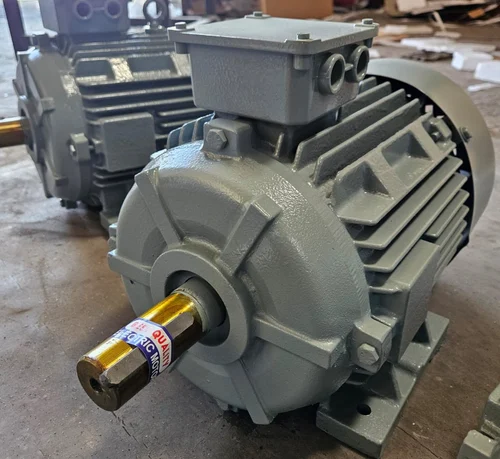
Installing a 5.5kw main saw motor in Kenya requires a dedicated 415V, 50Hz three-phase power supply capable of handling high startup transient currents.
Factory owners must recognise that pairing this primary drive with auxiliary systems, such as a 1.1kW scoring motor on heavy-duty panel saw Kenya models, demands robust grid stability to prevent breaker trips and capacitor burnout.
AOE provides engineering support to ensure these power requirements align with local workshop infrastructure.
Technical Electrical Specifications for 5.5kW Industrial Saw Motors in Kenya
Industrial cutting machinery relies heavily on consistent voltage parameters to maintain blade speed and torque under heavy feed rates. A standard 5.5kW main saw motor operating in East Africa draws a full-load current of approximately 11 amps on a 415V three-phase system.
Engineers must size the electrical supply to accommodate startup currents that can temporarily exceed three to five times the running amperage. High-density boards used in Nairobi furniture workshops often require the motor to maintain maximum torque for several minutes during rip cuts.
Assessing Kenyan Power Grid Instability for 5.5kW Saw Motors
Kenyan industrial zones frequently experience phase voltage imbalances and sudden brownouts that compromise heavy machinery performance. Operating heavy-duty saws like the MJ1138F on unstable grid connections risks motor failure.
Running a 5.5kW main saw motor alongside a 1.1kW scoring motor under these fluctuating conditions will quickly trip internal breakers. Production managers must implement phase monitoring relays to disconnect power when voltage anomalies occur.
These relays protect the internal copper windings from the high heat generated during a single-phasing event.
Mitigation Strategies and Protective Solutions for Electrical Power Fluctuations
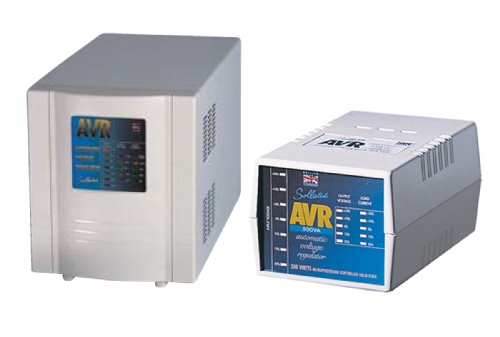
Facilities operators combat supply irregularities by installing industrial-grade Automatic Voltage Regulators (AVRs) at the mains intake.
AVRs ensure the incoming voltage remains tightly within the motor’s operational tolerance and safeguards the windings from overheating. Workshop technicians should also fit dedicated motor protection circuit breakers (MPCBs).
These units feature adjustable thermal overload dials to match the specific draw of the saw equipment. Proper calibration prevents the motor from running in a “starved” state where low voltage forces a higher current draw.
Operational Impact and ROI of Robust Electrical Infrastructure
Electrical failures halt panel processing lines instantly. These outages leave assembly teams idle and delay client deliveries across the region. Investing in premium electrical infrastructure yields a rapid return on investment by extending the operational lifespan of the saw components.
This proactive approach eliminates emergency stator rewinds which can cost upwards of 30,000 KES in lost time and parts. Workshops that upgrade their switchgear experience higher uptime and increased daily board yields.
You can find more production tips Africa factory owners use to maintain high output on our technical blog.
Best Practices for 5.5kW Saw Motor Installation Earthing and Safety
Proper earthing provides a critical safety path for fault currents. This path protects both the machine operator and the electronic controls. Installation teams must drive dedicated copper earth rods for the machinery line to ensure resistance remains below standard safety thresholds.
Routing earth cables independently from neutral lines prevents parasitic voltages from disrupting the precision digital displays attached to modern sliding table saws. Safety compliance also requires visible isolation switches within two metres of the operator station.
Supplier Expertise for Electrical System Integration and Maintenance
Sourcing machinery from a machinery supplier Kenya with strong local technical capabilities guarantees that electrical requirements align with Kenyan site realities. AOE technicians calibrate every panel saw installation to handle local shopfloor voltage variability.
These experts provide detailed schematics for the factory electrician to follow during the initial fit-out. Ongoing maintenance programmes ensure contactors and terminals remain tight.
Loose terminals cause high-resistance connections that typically lead to motor phasing issues and burnt contact points.
Leveraging Variable Frequency Drives for 5.5kW Main Saw Motor Protection
Variable Frequency Drives (VFDs) replace traditional star-delta starters to offer precise control over the acceleration profile of the blade. A VFD eliminates massive current spikes during motor startup and reduces the mechanical stress on drive belts.
Production engineers utilise VFDs to tweak blade RPM for different material densities. This adjustment optimises cut quality while lowering overall power consumption.
Using industrial saw blades in conjunction with VFD control ensures the longest possible service life for both the tool and the motor.
Essential Electrical Components for 5.5kW Saw Motor Stability
Designing a fault-proof power circuit requires specifying the correct industrial-grade hardware at every connection point.
Factory technicians must select components rated for continuous inductive loads rather than general commercial use. Incorrect component selection is the leading cause of electrical fires in the Kenyan woodworking sector.
Understanding Circuit Breakers and Fuses for Industrial Saw Motors
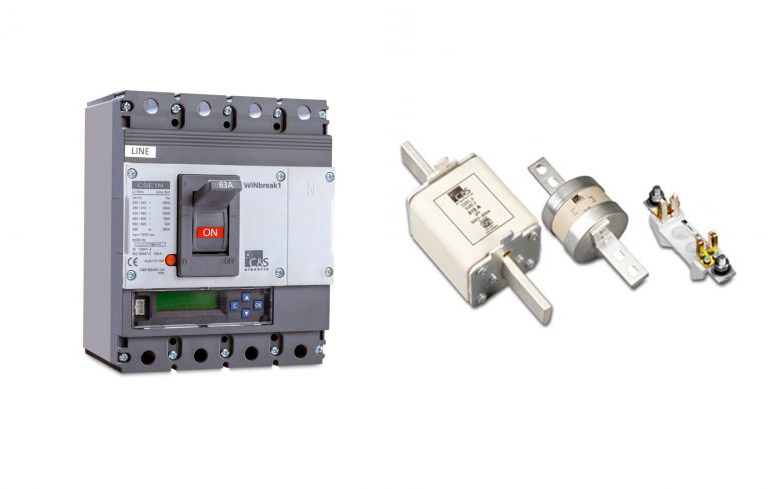
Standard miniature circuit breakers often mistake motor startup surges for short circuits. This error causes nuisance tripping that disrupts the production flow.
Facilities must utilise Type D or motor-rated MPCBs specifically engineered to tolerate high inrush currents for short durations. High Rupture Capacity (HRC) fuses provide an additional layer of fail-safe protection against catastrophic short circuits at the main distribution board.
These fuses act as a final barrier to protect the factory’s main transformer from machinery faults.
Importance of Quality Cabling and Wiring for 5.5kW Motors
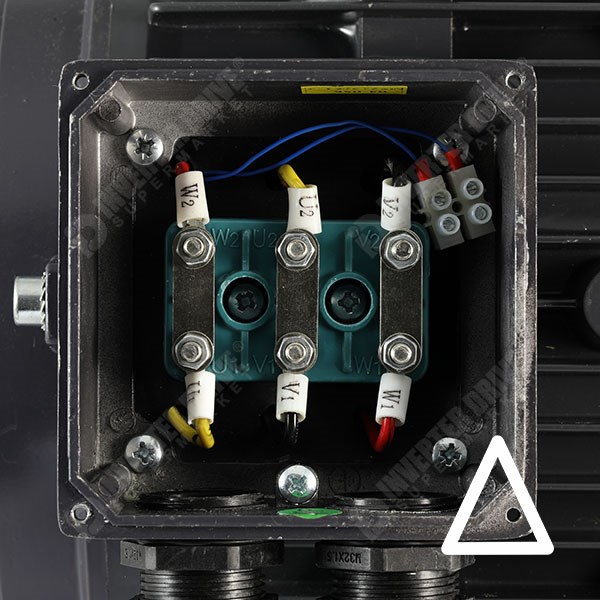
Substandard or undersized wiring induces voltage drop across the cable run. This drop forces the motor to draw higher current and overheat.
East African workshops must use heavy-duty multi-core armoured cables for the final connection to the saw. The armouring protects the conductors from mechanical damage and shop floor traffic.
Engineers specify a minimum of 4mm² copper wire for the 5.5kW primary drive. This specification factors in the ambient temperature of the factory environment to prevent insulation degradation over time.
Optimising Power Factor for 5.5kW Main Saw Motors
Induction motors naturally operate with a lagging power factor. This state consumes reactive power that does no useful mechanical work but still loads the electrical system.
Factories running multiple large saws simultaneously without correction will face penalty charges from utility providers for poor grid efficiency.
Improving the power factor is an essential step for any expanding furniture manufacturing plant.
Benefits of Power Factor Correction Units
Installing local capacitor banks reduces the reactive current drawn from the supply transformer. This correction frees up electrical capacity within the workshop.
Proper correction allows production lines to add more machinery without needing a costly mains upgrade. Corrected power factors also lower the thermal load on internal factory wiring.
This reduction in heat helps maintain the integrity of cable insulation and junction box components over years of heavy use.
Calculating KVAR Requirements for Saw Motor Installations
Sizing the correction capacitors requires accurate data on the motor’s running load and inherent power factor rating. Electrical engineers calculate the necessary kilovolt-amperes reactive (kVAR) to elevate the power factor from a typical 0.82 closer to the ideal 0.95 mark.
Most 5.5kW motors benefit from a dedicated capacitor staged to engage only when the motor is running. This automated switching prevents leading power factor issues when the machinery is idle.
AOE Technical Consultation for Your 5.5kW Main Saw Motor Setup
Sizing and securing the power infrastructure dictates the operational success of your cutting department. AOE engineering teams provide a comprehensive machinery consultation Kenya to verify your electrical capacity before equipment delivery.
Engaging our specialists guarantees your heavy-duty panel dividing saws integrate safely. Our team remains available for machine inquiries regarding voltage stabilisers and custom control panels designed for the East African power environment.