
Implementing modern automatic panel saw safety features improves hazard mitigation for East African furniture manufacturers and reduces risks of operator injuries and respiratory illnesses.
Manufacturers upgrading from manual sliding table saws to fully enclosed units ensure consistent batch processing speeds. These upgrades lower employer liability and workplace insurance premiums across high-volume production floors.
AOE provides specialized woodworking machines Nairobi to support these safety transitions for growing workshops. Investing in a high-specification furniture panel saw allows factory owners to meet rigorous safety benchmarks while increasing daily output.
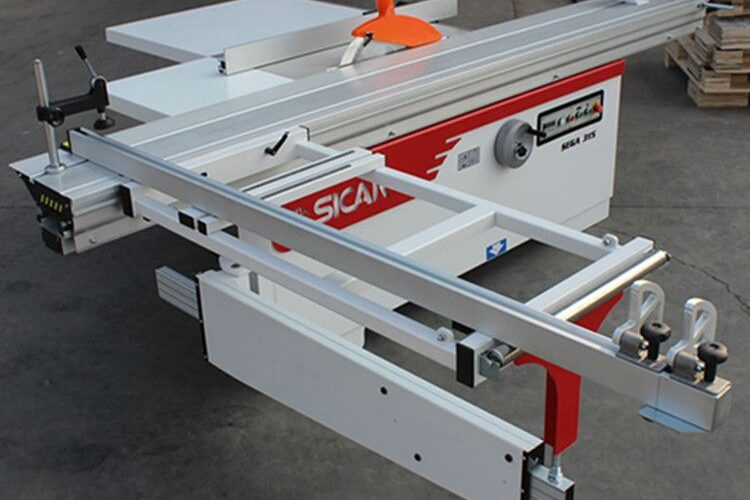
| Safety Component | Technical Specification | Operational Impact for Workshops |
|---|---|---|
| Pneumatic Pressure Beam | 0.6 – 0.8 MPa clamping force | Prevents board slippage and manual handling errors |
| Active Extraction Hoods | 28 – 32 m/s air velocity | Removes 95% of fine MDF particulates at the source |
| Electronic Braking System | <10 millisecond response time | Stops blade rotation instantly during emergency events |
| Optical Feed Sensors | Infrared material detection | Halts the cycle if foreign objects enter the cutting path |
Production managers can schedule a machinery consultation Kenya to evaluate how these safety systems integrate into existing factory layouts.
Safety System Functionality and Regulatory Compliance for Industrial Panel Saws
Blade Guarding and Pressure Beam Innovations
The enclosed cutting zone and heavy-duty pressure beam keep hands away from the blade during the machining cycle. Modern systems use pneumatic clamping to secure full-sized boards automatically.
This mechanical isolation removes the need for manual material holding near the cutting line. The physical barrier prevents direct contact with the main and scoring blades to eliminate severe workshop lacerations.
Emergency Stop Protocols and Operational Safety
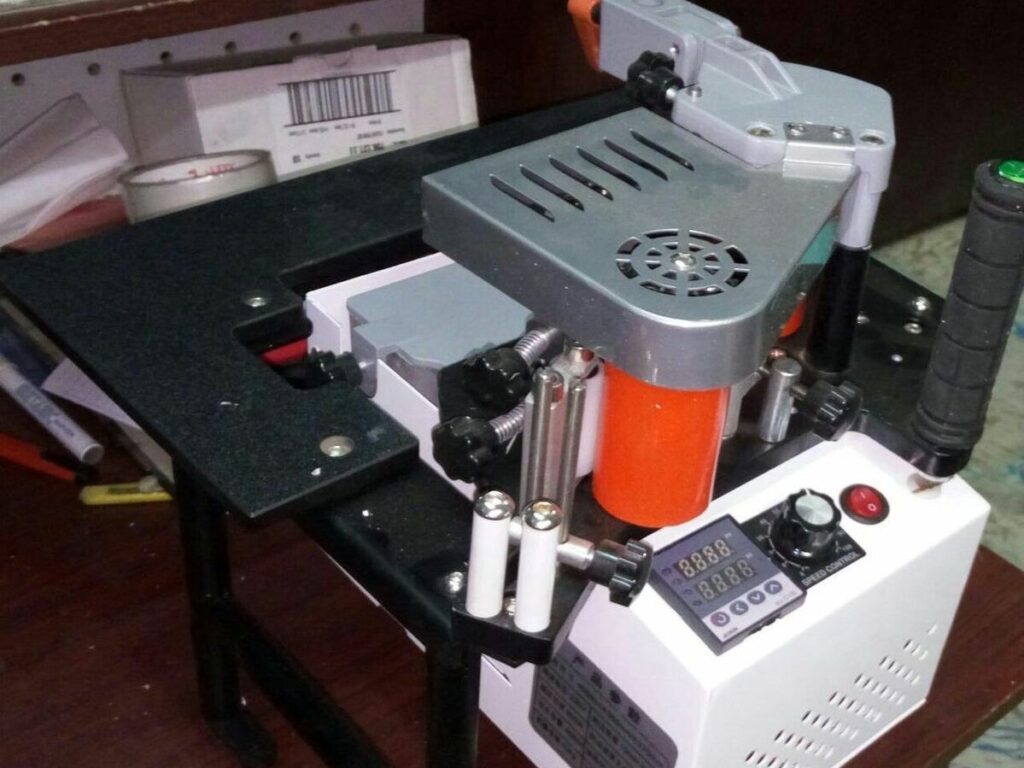
Integrated electronic braking systems halt the main saw motor within milliseconds of an emergency stop activation. Optical sensors positioned along the feed line detect irregular material movement or foreign objects to trigger an immediate machine shutdown before an accident occurs.
Workshop engineers rely on these automated interlocks to prevent catastrophic equipment damage during high-speed board indexing. Reliable safety protocols allow machines to run at maximum speeds without compromising personnel safety.
Adhering to East African and International Safety Standards
Factory owners must align their machinery with regional occupational health and safety guidelines to avoid operational penalties. Upgraded panel saws meet ISO and European CE safety directives to standardise operator protection across the production line.
Compliance ensures industrial facilities pass routine audits while maintaining continuous production schedules without regulatory interruption. Adhering to these standards builds a reputation for professional manufacturing within the regional market.
Productivity Gains and Total Cost of Ownership from Safety Integration
Reducing Accidents and Boosting Worker Confidence
Machine operators execute cutting plans faster and with greater precision when they trust the mechanical safeguards of their equipment. The removal of constant blade exposure reduces operator fatigue and stress.
This psychological shift leads to fewer manual handling errors and translates into sustained throughput during extended shifts. Reduced scrap rates further improve the profitability of each production run.
Impact of Enhanced Dust Management on Uptime and Insurance
Integrated dust extraction curtains capture significantly more hazardous MDF dust than open table saws. Capturing these abrasive particulates at the source prevents respiratory distress for the workforce.
This system also minimises the accumulation of fine sawdust on linear guides and servo motors. Insurers frequently offer reduced premium rates to factories that demonstrate proactive airborne particulate control and lowered fire risks.
Industry experts tracking manufacturing trends Kenya highlight dust control as a primary factor in long-term facility sustainability.
Calculating Operational ROI from Advanced Safety Features
Investing in automated safety mechanisms yields measurable financial returns through decreased downtime and lower medical compensation claims. Automated systems extend the machine lifespan by preventing operator errors that lead to mechanical strain.
Production managers can amortise the initial capital expenditure against the increased daily yield and reduced maintenance overheads. High-safety machines retain better resale value in the industrial secondary market.
Integrating Automatic Panel Saws into High Volume Furniture Workflows
Assessing Factory Layout and Production Line Compatibility
Workshop engineers must evaluate floor space, material staging areas, and existing extraction ducting before installing heavy-duty panel saws. Proper alignment with a high-performance edge banding machine facilitates a logical flow of processed panels.
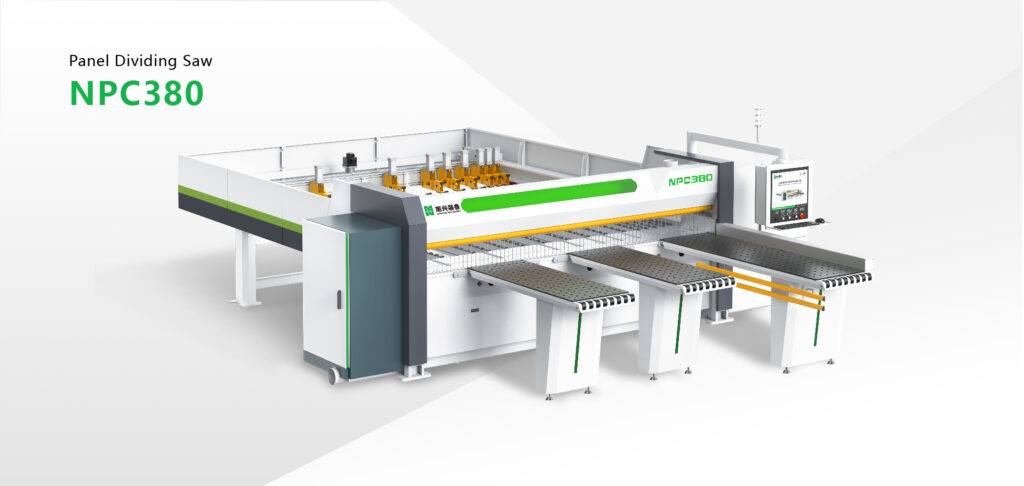
Strategic placement of the machine ensures safety exclusion zones are maintained without bottlenecking the factory floor. Integrating the saw with a CNC nesting router allows for a dual-stream production process that maximises board yield.
Strategies for Workflow Adaptation and Training
Transitioning from manual cutting to automated systems requires structured process updates for the shopfloor team. Production managers must update standard operating procedures to reflect automated loading cycles and digital fault code resolution.
Gradual phasing of the new equipment allows operators to master the digital interface without compromising daily production targets. Consistent training ensures the workforce understands how to leverage automation for both safety and speed.
Worker Health and Environmental Protection via Panel Saw Automation
Superior Dust Extraction for Worker Wellbeing
Medium-density fibreboard and treated chipboard release toxic resins and microscopic fibres when cut at high speeds. High-velocity extraction hoods integrated into the saw carriage remove these hazards before they enter the operator breathing zone.
Protecting the workforce from chronic respiratory conditions reduces absenteeism and retains skilled labour within the facility. Clean air environments also reduce the cleaning intervals required for sensitive electronic components.
Noise Reduction and Workplace Condition Improvements
Heavy-duty machine frames absorb operational vibrations to lower the ambient decibel output during the cutting of dense composite panels. Enclosed blade housings muffle the high-frequency sounds associated with industrial sizing saws.
Maintaining noise levels below critical regulatory thresholds prevents long-term hearing degradation among factory personnel. Improved acoustics contribute to a more focused and productive workshop atmosphere.
Meeting Environmental Regulations for Hazardous Materials
Regional environmental authorities monitor industrial emissions including solid waste and airborne factory exhaust. Automated saws with efficient particulate capture systems ensure that hazardous wood waste is directed into centralised silos for safe disposal or recycling.
Proper containment aligns manufacturing facilities with national environmental protection mandates and reduces the risk of environmental fines. Waste management efficiency is a hallmark of modern industrial operations.
Operator Training and Technical Support for African Manufacturing Facilities
Comprehensive Operator Training Programmes
Initial installation must include rigorous instruction covering both mechanical operation and digital safety overrides. Technicians from a reputable machinery supplier Kenya train operators to interpret safety sensor alerts correctly.
Staff learn to perform safe blade changes using the machine locked-out maintenance mode and high-quality industrial saw blades. A fully trained staff forms the primary defence against machinery misuse and unplanned breakdowns.
Availability of Spare Parts and Technical Support
Procuring proprietary safety components like optical sensors and pneumatic valves locally prevents extended production halts. Reliable suppliers maintain regional inventories of critical wear parts tailored specifically to high-cycle automated saws.
Rapid dispatch of these components keeps East African assembly lines moving without waiting for international freight. Local technical support ensures that any safety system faults are resolved by qualified engineers quickly.
Tailored Service for the East African Industrial Context
AOE technicians calibrate each installation to address local shopfloor voltage variability and high ambient dust levels. Power stabilisation units protect the sensitive microprocessors governing the safety interlocks.
This contextual engineering ensures the machine safety systems remain active and reliable despite regional infrastructural challenges. Technical teams provide ongoing assistance to ensure the equipment operates at peak safety levels throughout its lifecycle.
For urgent assistance or maintenance schedules, factory owners can contact AOE to speak with a technical representative.
Proactive Maintenance and Integrated Diagnostics
Modern panel saws feature onboard diagnostic software that monitors the health of safety switches and pneumatic pressure levels. The human-machine interface alerts workshop engineers to degrading components before a mechanical failure occurs.
Scheduled preventative maintenance based on these digital readouts ensures the pressure beam and braking systems operate at peak efficiency. Regular calibration of sensors maintains the integrity of the safety perimeter around the cutting zone.
Partnering with AOE for Advanced Panel Saw Safety Implementation
Upgrading to a fully automated panel saw represents a critical structural investment in factory throughput and personnel protection. East African production managers should specify machines featuring heavy-duty pressure beams and active dust curtain extraction.
AOE provides the technical infrastructure and operational training required to integrate these high-yield cutting systems into modern manufacturing workflows. Focusing on safety-driven automation secures the long-term viability and profitability of furniture production facilities.