
The integration of a CNC drill in Kenya with Guigui design software provides a direct digital link that eliminates manual input errors.
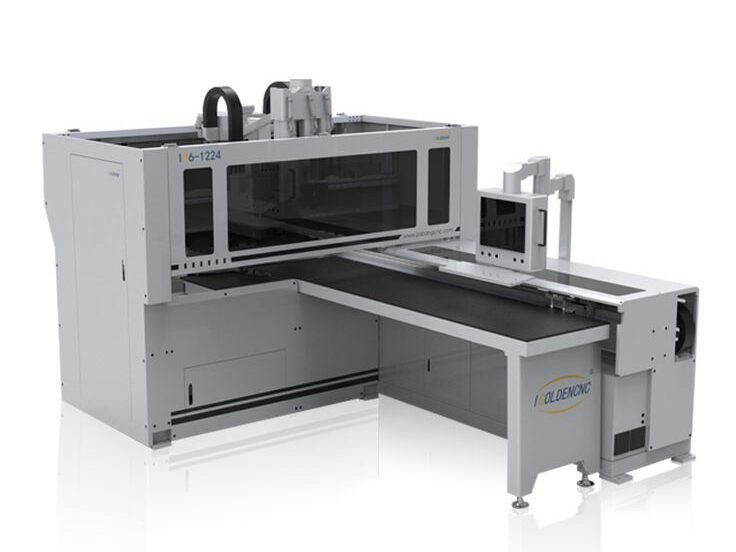
East African furniture manufacturers processing high volumes of bespoke cabinetry rely on this automated data flow to ensure the correct hole parameters execute instantly.
This technical synchronization stops costly MDF waste and prevents production bottlenecks on the factory floor. By using Guigui software, workshops transform their assembly speed and precision.
| Production Performance Metric | Manual Coordinate Entry Method | Guigui Barcode Integration Method |
|---|---|---|
| Average Setup Time Per Panel | 2.5 to 4 Minutes | Under 3 Seconds |
| Human Error Probability | Approximately 4% to 6% per batch | 0% via Automated Data Parsing |
| Shift Throughput (8 Hours) | 150 to 200 Panels | 600 to 800+ Panels |
| Operational Skill Requirement | Advanced CNC Programming | Basic Scan and Load Operation |
| Material Wastage Rate | Significant due to offset errors | Near Zero through digital twins |
Technical Infrastructure for Guigui CNC Drilling Machine Integration
API Compatibility and Machine Communication Protocols
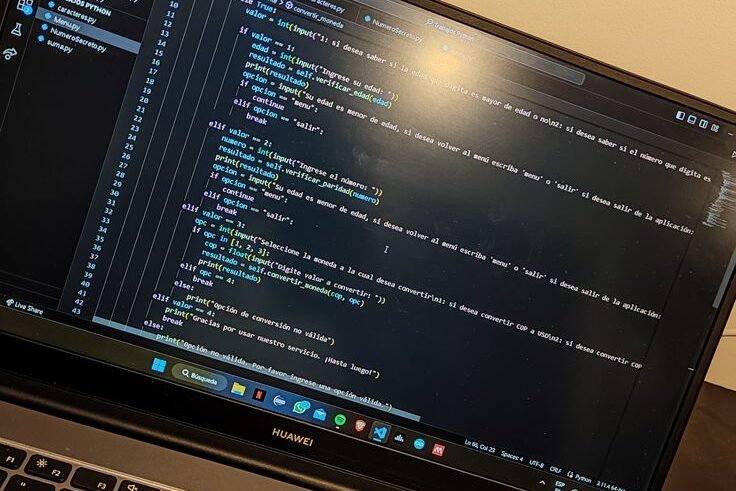
Direct communication requires open API architecture or compatible post-processor file generation. Workshop engineers must verify their drilling equipment controllers support direct network file parsing from the Guigui output directory.
Establishing this digital handshake ensures the programmable logic controller reads the exact toolpaths generated in the design office. Modern woodworking machines in Nairobi increasingly feature these open protocols to facilitate regional Industry 4.0 adoption.
Data Exchange Formats and Network Architecture
Factory floor networking requires a stable Local Area Network bridging the design office servers and the shop floor terminals.
Standardising the data export to industry formats like MPR, BPP, or XML guarantees the machine controller interprets the X, Y, and Z coordinates accurately without requiring manual conversions.
This setup allows for rapid updates to part designs without stopping the production line.
Workflow Automation for CNC Drilling Accuracy
Human Error Reduction through Scanned Data
Bypassing manual data entry stops mistakes during the drilling cycle. When the operator scans the label applied during the processing on a CNC nesting router, the Guigui software instantly loads the exact drilling map for that specific kitchen cabinet part.
This direct transfer guarantees hole depths, dowel placements, and hinge positions match the original CAD design. The system eliminates the need for operators to read paper drawings or interpret complex coordinate tables.
Production Monitoring and Real Time Feedback
Shop floor managers use this digital connection to track production rates per shift and monitor machine uptime. Automated feedback loops inform the central database when a specific panel finishes the drilling cycle.
This provides accurate metrics on machine utilisation and shift productivity. Data collection helps identifying maintenance needs before mechanical wear impacts the drilling quality.
Optimising Production Efficiency and Setup Times
Throughput Acceleration for Cabinet Components
A barcode driven CNC drilling machine accelerates throughput by loading toolpaths the millisecond a scan occurs. Operators spend zero time searching for files or adjusting spindle parameters manually.
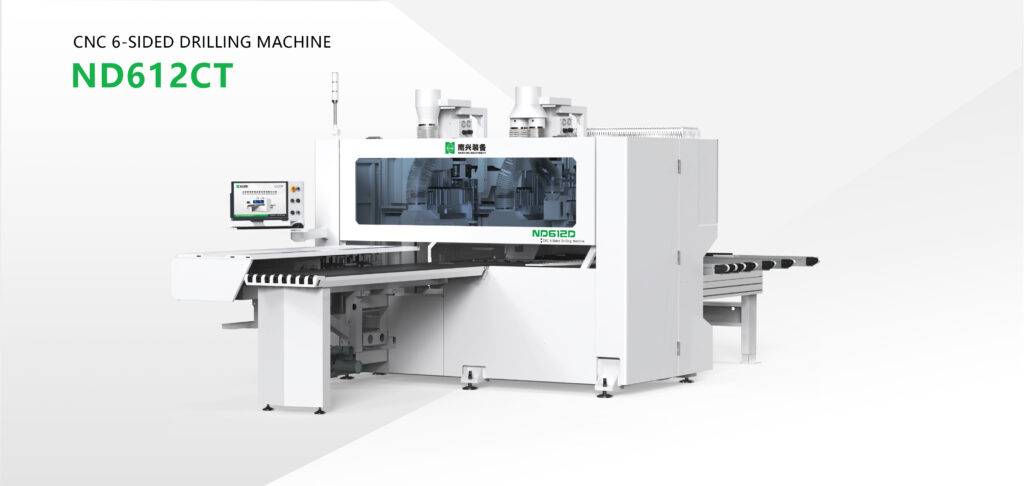
This efficiency allows a single machine to process upwards of 800 panels per standard shift. Factories can find 6-sided drilling solutions that further compress these cycle times by completing all faces in a single pass.
Waste Reduction for High Value Materials
Precise data parsing prevents misaligned hinge holes or incorrect shelf pin placements. East African manufacturers reduce material wastage by ensuring high value boards are drilled correctly on the first pass.
This includes melamine faced chipboard and veneered plywood common in high end Nairobi interior projects. Preventing a single misplaced hole on a large wardrobe gable saves both the material cost and the labour time of the entire preceding production chain including the industrial panel dividing stage.
Operator Empowerment and System Maintenance
User Interface Training for Factory Staff
Factory floor staff require practical instruction on reading the Guigui interface and managing the daily scan queue. Training focuses on barcode orientation, visual confirmation of the loaded digital twin, and responding to system prompts.
Modern interfaces reduce the technical barrier for new employees, allowing them to become productive within hours rather than weeks of intensive training.
Maintenance Schedules for Optical and Network Components
Production engineers must maintain clean scanner optics and secure network cables to prevent communication drops in dusty environments.
Routine maintenance schedules incorporate software cache clearing and sensor calibration to sustain high speed scanning accuracy.
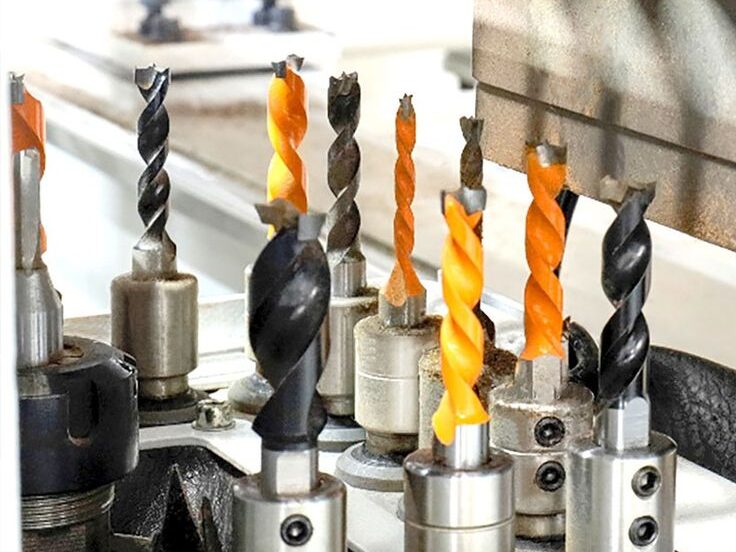
Reliable router bits in Kenya must also be monitored to ensure the holes match the digital specifications without chipping or tear out.
ROI Analysis for Integrated Drilling Systems
Labour Savings and Capacity Expansion
Workshop owners measure return on investment through the drop in scrapped panels and expedited processing times. Transitioning to automated scanning cuts the labour hours previously dedicated to manual coordinate entry and rework.
This allows the facility to take on larger contracts without increasing the headcount in the production office. If you are planning a facility upgrade, you can schedule a factory visit to see these integrated workflows in action.
Batch of One Production in East African Workshops
Custom cabinetry demands flexibility where every consecutive board possesses a different drilling configuration. The Guigui barcode system allows East African workshops to handle batch of one manufacturing profitably.
The machine treats bespoke parts with the same processing speed as mass produced identical panels. This capability is essential for competitive positioning in the growing bespoke furniture market across the region.
Hardware Selection for Industrial Environments
Industrial Barcode Scanners and Labels
Industrial environments require robust hardware like 2D imagers capable of reading QR codes or Code 128 formats covered in sawdust. Selecting omnidirectional scanners reduces the time operators spend aligning the label.
This choice further accelerates the loading process on the machine bed. High quality labels must remain adhered through the edge banding machine process to ensure they are readable at the drilling station.
Cybersecurity and Network Stability
Linking shop floor machinery to office networks requires careful configuration. Segmenting the machine LAN from general internet access protects the production line from external disruptions.
It also maintains rapid internal data transfer speeds for large drilling files. Maintaining synchronicity between the design software and machine controller requires strict update protocols managed by the production manager.
Technical Support and Regional Maintenance Services
AOE Technical Partnerships in East Africa
Regional manufacturing requires rapid on site intervention when network or mechanical failures occur. As a leading machinery supplier in Kenya, AOE provides East African factories with direct technical support.
AOE engineers understand both the Guigui software ecosystem and the intricate mechanical configurations of multi spindle drilling heads. This local expertise ensures that software updates do not disrupt existing machine configurations.
Spare Parts Availability and Preventative Care
Keeping pneumatic clamps, positioning sensors, and drill bits operational prevents the machine from becoming the bottleneck. AOE stocks critical spare parts locally in East Africa to ensure hardware replacements occur without waiting for international shipping.
Regular consultation on manufacturing trends in Kenya helps factory owners stay ahead of the curve regarding automation and efficiency.
Consultation for Integrated Drilling Strategies
Transitioning from manual programming to a barcode driven architecture demands precise planning and robust network execution. AOE engineers assess your current machinery, network stability, and production targets to recommend the most reliable Guigui integration path.
The technical team provides audits to help workshops engineer zero error drilling workflows. Contact the East African technical office today to evaluate your factory infrastructure and start the transition to automated production.