
The implementation of a digital furniture manufacturing system establishes an end-to-end closed loop. This architecture translates client-approved 3D showroom designs into machine-ready G-code for the factory floor.

Factory managers across East Africa utilize AOE industrial solutions to eliminate manual data entry errors. This integration ensures that custom cabinetry projects move from initial consultation to the panel saw and CNC router with zero intermediary drafting delays.
Strategic Advantages and ROI for Digital Furniture Manufacturing Systems
A digital furniture manufacturing system transforms raw material procurement and labour allocation into highly predictable metrics. Production managers track exact board yields and machine hours before the first MDF sheet leaves the warehouse rack.
Technical specifications are locked at the design stage, preventing the common problem of mismatched dimensions during assembly.
| System Feature | Manual Production Baseline | Integrated Digital Performance | Operational Benefit |
|---|---|---|---|
| Data Processing | Manual Cutting Lists | Automated XML/DXF Export | Zero data entry errors |
| Precision Tolerance | ± 1.5mm to 3.0mm | ± 0.1mm on CNC axis | Superior joint fitment |
| Material Usage | High off-cut waste (70% yield) | Optimised nesting (90%+ yield) | Lower unit cost per cabinet |
| Production Control | Paper-based tracking | Real-time barcode scanning | Full workflow transparency |
Drafting overhead reduction occurs when the translation phase between sales and engineering is removed. Workshops frequently reduce engineering hours by up to 40% through this direct data pipeline.
This automation prevents costly miscommunications and ensures the final assembled product matches the original client specification exactly.
Technical Software Architecture and Machine Integration
Modern operations rely on robust CAD/CAM integration to create a functional closed loop. The salesperson designs the kitchen using Guigui software directly with the client on the showroom floor.
The system allows for real-time adjustments to dimensions and finishes based on local material availability in the Nairobi or Dar es Salaam markets. A single click generates the exact cutting, drilling, and edge banding files for the factory machines.
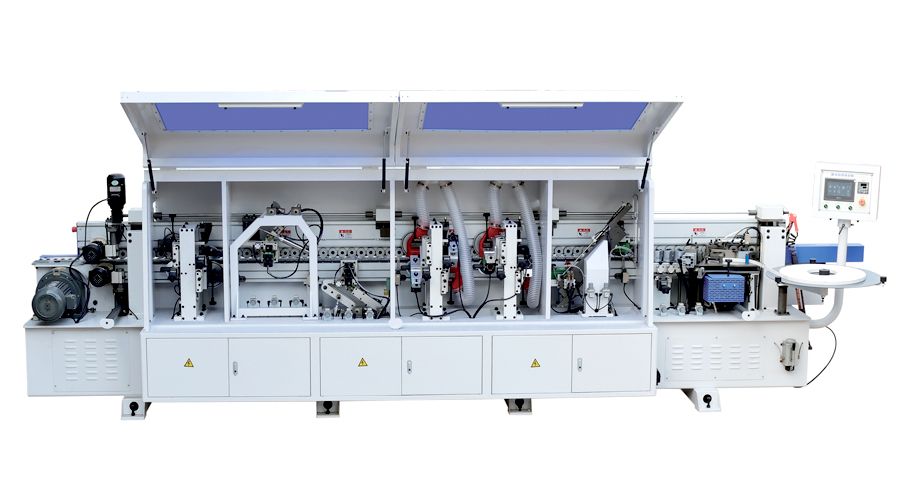
Automated file generation routes specific tasks to the correct CNC nesting router or edge bander without requiring a secondary programmer on the shop floor. This direct link maintains a high cycle speed and reduces the technical burden on machine operators.
Operational Challenges and Workshop Implementation
The transition from manual cutting lists to automated production requires stable internal networking and compatible machine controllers.
Factory owners must ensure their existing panel dividing saws and CNC routers accept standard digital formats like DXF or proprietary XML files. Compatibility checks are a mandatory first step in any system upgrade.
Industrial zones in East Africa often present harsh workshop conditions, including voltage fluctuations and heavy particulate dust. These factors frequently disrupt standard IT equipment.
Industrial-grade terminals and offline backup protocols protect the production queue during sudden connectivity drops or power instability. Proper dust extraction systems with adequate CFM ratings are essential for protecting the electronic components of the digital system.
Customisation Efficiency and Sales Integration
Customised joinery traditionally requires weeks of back-and-forth iteration between the client and the drafting department. A digital furniture manufacturing system bypasses this bottleneck by instantly calculating material costs and hardware requirements during the initial design phase. Sales personnel generate accurate quotations on the spot, backed by live factory inventory data.
This transparency prevents over-committing on delivery timelines and protects profit margins on bespoke kitchen and wardrobe installations. The system provides immediate feedback on whether a specific design fits within the current production schedule or requires specialised material imports.
Waste Reduction and Material Optimisation
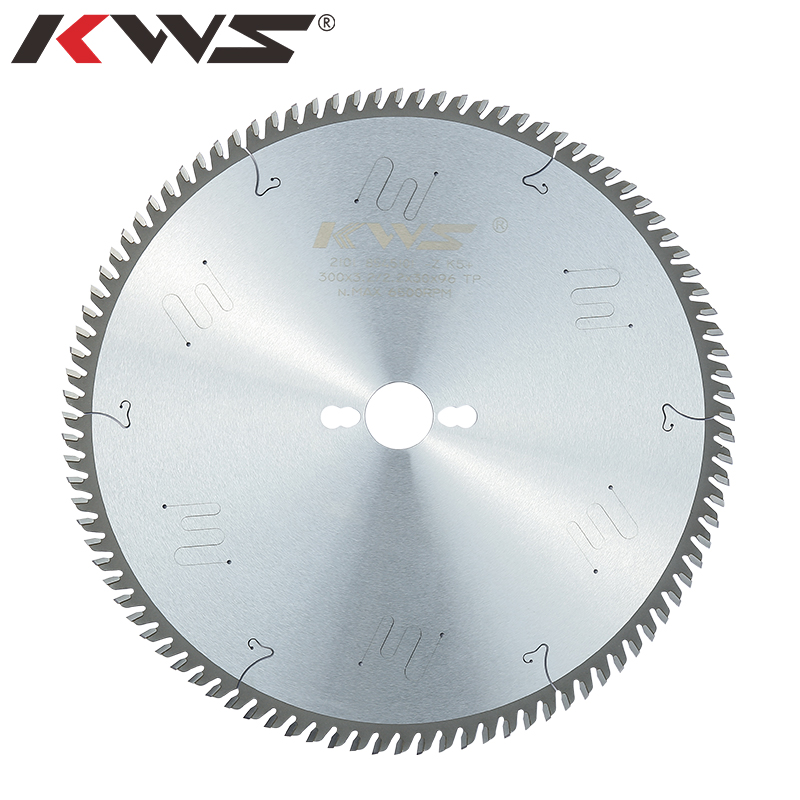
Algorithmic nesting software maximises panel utilisation to target the largest variable cost in East African cabinetry. Automated optimisation increases board yield from an industry average of 75% to over 90%, turning offcuts into usable stock. High-quality KWS tooling and bits ensure these yields are achieved without chipping the laminate surfaces.
Barcode generation at the primary cutting station tracks each component through subsequent edge banding and boring processes. Machine operators scan the label to load the correct drilling pattern on the 6-sided drilling station. This workflow eradicates human error and accelerates batch processing speeds for high-volume orders.
Strategic Partnerships and Local Technical Support for Regional Scalability
Relying on overseas software vendors without local technicians creates unacceptable downtime risks for manufacturers. East African workshops require technical partners who understand regional supply chains and local timber characteristics.
AOE engineers provide essential on-site calibration to bridge the gap between international software platforms and the physical realities of the regional shop floor.
Hands-on integration ensures production scales reliably from a single CNC router to a fully automated smart factory line. Local technicians provide routine maintenance and software updates that keep the machinery aligned with evolving furniture hardware trends and board densities.
Cloud Architecture for Small Enterprise Scalability
Enterprise-level CAD/CAM suites historically demanded prohibitive upfront capital for perpetual licenses and dedicated server hardware.
Cloud-hosted software architectures now replace these heavy expenditures with manageable monthly operational costs. This shift allows small to medium enterprises to access the same powerful nesting algorithms used by multinational furniture brands.
Cloud platforms also facilitate remote production management. Owners monitor machine efficiency across multiple workshops from a single dashboard. This remote visibility is crucial for managers who oversee disparate production sites in different industrial zones.
Deployment Roadmaps and Technical Support
Successful deployment mandates a phased approach, beginning with a comprehensive audit of existing machinery and IT infrastructure. Workshops usually start by digitising the cutting and nesting phase before rolling out automated barcode tracking for edge banding and drilling.
Regular software patches and machine controller updates keep the production line compatible with evolving cabinet hardware and board materials.
Data Security and ERP Integration
Proprietary furniture designs and client databases represent highly valuable intellectual property. Encrypted local servers or secure cloud instances prevent unauthorised access and data loss.
Standardised API connections allow the manufacturing software to communicate directly with existing ERP or accounting tools. This data alignment automates invoicing and raw material reordering based on actual factory consumption.
Personnel Training and Technical Skill Development
Advanced software yields zero ROI if the factory staff cannot operate the interface effectively. Comprehensive upskilling transforms traditional carpenters into skilled CNC operators and CAD technicians.

Training programmes focus heavily on fault diagnosis and routine machine maintenance alongside software instruction. This dual-focus approach ensures operators can independently resolve minor machine faults before they escalate into total production halts.
Performance Metrics and Continuous Improvement
Factory directors measure success through quantifiable reductions in material waste, labour hours, and client rejection rates. Tracking these key performance indicators identifies bottlenecks in the automated workflow for continuous process refinement.
The following table illustrates typical performance shifts experienced by workshops after full digital integration.
| Production Metric | Traditional Manual Workflow | Integrated Digital System | ROI Impact |
|---|---|---|---|
| Design to Machine Time | 3 to 5 Days (Manual Drafting) | Under 10 Minutes (Automated File Export) | Eliminates drafting bottlenecks and wage overhead. |
| Average Panel Yield | 70% – 75% | 90% – 95% | Saves up to 20% on monthly MDF/Plywood procurement. |
| Component Rework Rate | 8% – 12% (Human Error) | Below 1% (Barcode Scanning) | Drastically reduces material waste and assembly delays. |
| Quoting Accuracy | Estimates based on manual calculation | Exact cost generated from 3D model data | Protects profit margins on custom installations. |
Regional Market Adaptability and Scaling
A digital furniture manufacturing system must accommodate the specific panel sizes and hardware brands readily available in the East African market.
Software libraries require constant updates to reflect the exact dimensions of locally sourced MDF, particleboard, and plywood. Our machinery blog provides further analysis on how regional manufacturers adapt these tools to local timber characteristics.
Modular software architecture permits factories to add secondary production lines as order volumes increase. New edge banding machines or point-to-point drilling centres network into the existing digital ecosystem without overhauling the entire system. This scalability ensures the initial software investment remains relevant as the business grows.
Service Availability and Remote Diagnostics
Machine downtime destroys the profitability of a digitised workflow. Immediate access to local spare parts and trained diagnostic engineers separates successful smart factories from expensive failures.
Facilities equipped with remote diagnostic capabilities allow support technicians to troubleshoot software errors or controller faults without visiting the site. This rapid intervention is critical for workshops located outside major industrial hubs like Nairobi or Dar es Salaam.
Regulatory Compliance and Export Standards
Digitised production logs assist manufacturers in proving compliance with regional timber sourcing and factory safety regulations. Automated extraction systems linked to the CNC machinery ensure workshop dust levels remain within occupational health limits.
Generating precise material declarations helps exporters navigate cross-border trade requirements within the East African Community. Digital paper trails verify product origins and manufacturing standards instantly.
Technical Expertise for Production Implementation
Engineering a closed-loop production line demands exact synchronisation between front-end software and heavy workshop machinery. AOE technicians specialise in integrating robust CAD/CAM platforms with industrial-grade CNC equipment tailored for the East African operational environment.
From initial showroom software deployment to the final calibration of the factory nesting router, we provide the technical architecture required for high-yield manufacturing.
Factory owners rely on AOE to audit current manual workflows and design scalable, highly profitable digital manufacturing strategies. Schedule a machinery consultation Kenya to see how these integrated systems improve furniture production efficiency.