
Reducing factory bottlenecks requires a 6-sided drilling machine that processes panels continuously. This technology allows boring stations to match the high-speed output of modern panel saws.
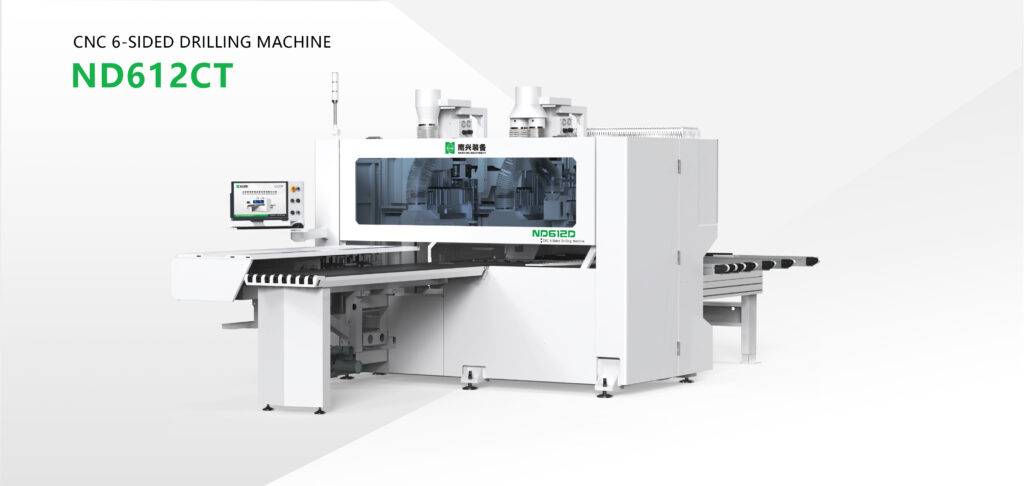
Standard board batch cutting often requires five minutes. Manual drilling routinely consumes twenty minutes. This disparity creates a massive work-in-progress backlog that stalls East African furniture production lines.
| Production Metric | Manual Drilling Station | Automated Six Sided ND612 Series |
|---|---|---|
| Average Cycle Time per Panel | 180 to 300 Seconds | 30 to 45 Seconds |
| Operator Requirement | 2 Skilled Technicians | 1 Machine Loader |
| Panel Face Processing | 1 Face Per Setup | 6 Faces Simultaneously |
| Data Input Method | Manual Measurement | Barcode and CAM Integration |
| Power Consumption Efficiency | High Idle Waste | Optimised Servo Control |
Production Benefits of Automated Six Sided Drilling Systems
Traditional manual drilling stations reduce factory throughput because they rely on slow and repetitive operator measurements. An automated six sided drilling machine eliminates this constraint by executing complex hole patterns on all panel faces in a single pass.
Factory managers notice a significant drop in work-in-progress inventory stacking up between cutting and edge banding machines. The equipment handles vertical and horizontal boring alongside grooving operations without manual repositioning.
Throughput Synchronization with Automated Drilling Technology
Production lines fail when machine cycle times lack balance. Cutting panels takes 5 minutes. Manual drilling takes 20 minutes.
The ND612 series processes panels continuously so that the drilling station matches the output speed of a panel saw or CNC nesting router. This synchronization ensures that the secondary processing phase does not become a graveyard for unfinished components.
Digital Workflow Integration and Control Software
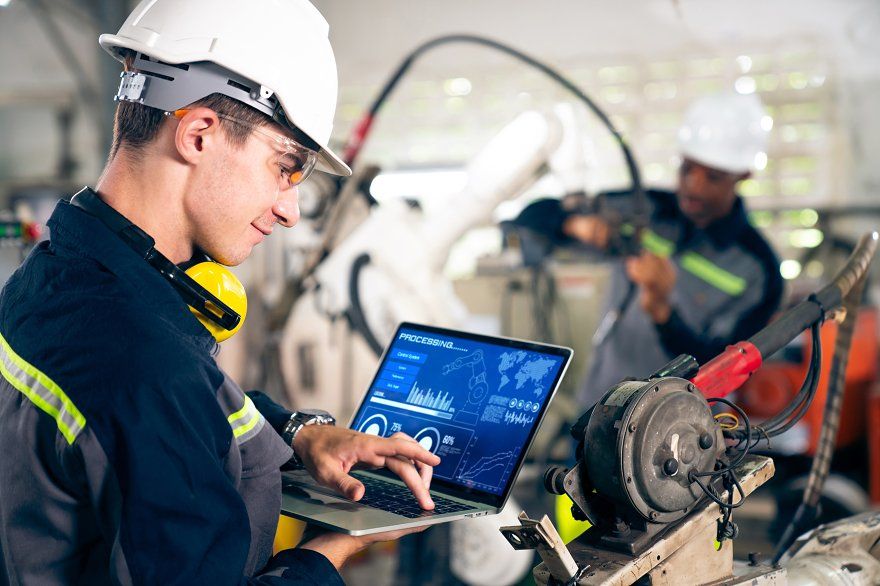
Modern panel processing relies on data-driven execution instead of manual blueprint reading. Advanced control software and furniture CAD CAM Kenya solutions interpret design files directly via barcode scanners.
These systems instruct the boring unit on exact spindle deployments. Workshop engineers spend less time programming at the machine console. They focus instead on overseeing continuous batch processing and quality control audits.
Investment Returns and Cost Analysis in East Africa
High capital expenditure requires a swift return on investment through tangible production gains and material savings. Automated drilling platforms reduce panel scrap caused by human error during manual alignment.
East African manufacturers typically recover their initial investment within 18 to 24 months through increased daily output and reduced labour overheads.
Staying informed on manufacturing trends Kenya helps factory owners identify the exact moment to transition from manual to automated workflows.
Technical Support and Success Stories for Regional Manufacturers
Industrial machinery investments require robust technical backing to maintain operational uptime in demanding environments. AOE technicians calibrate every installation to handle local shopfloor voltage variability and high ambient dust levels common in regional factories.
Recent installations in Nairobi and Kampala demonstrate a consistent 40 percent reduction in drilling cycle times following targeted operator training. Our team ensures that each machine integrates with existing dust extraction systems to protect sensitive electronics.
Addressing Skilled Labour Shortages and Quality Inconsistencies
Finding and retaining highly skilled machine operators is a significant challenge for growing furniture manufacturers. Automated drilling systems remove the operator from the mathematical equation by relying on digital blueprints for precision.
Factory owners achieve uniform batch quality regardless of staff turnover. This consistency ensures that every dowel and cam lock aligns perfectly during final assembly, reducing the need for on-site corrections.
Technical Specifications and Operational Efficiency
Evaluating machinery requires a strict look at operational metrics and mechanical tolerances. High-speed servo motors and heavy-duty frame constructions dictate how well the equipment absorbs vibration during intensive double-shift operations.
The use of premium industrial saw blades and boring bits ensures clean exits and precise depths. Dual drilling banks operate simultaneously on opposing faces to execute complex joinery configurations in seconds.
Panel Dimensions and Drilling Capabilities
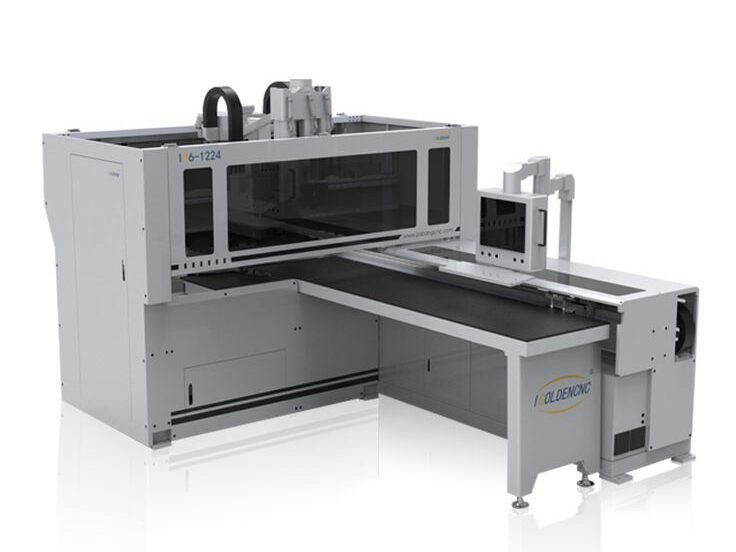
Workshop engineers must match machine capabilities to their standard board dimensions. The ND612 system handles a wide range of workpiece sizes and clamps panels securely to prevent shifting during aggressive boring cycles.
The minimum panel width typically starts at 50mm, while the maximum length can reach 2800mm. This versatility allows for the production of everything from small drawer fronts to large wardrobe gables.
Optimising Cycle Times and Batch Production
Automated feed mechanisms push panels through the processing zone with zero manual repositioning. This continuous feed architecture ensures the machine spends its operating hours actively drilling rather than waiting for operator handling.
Production managers achieve predictable shift yields. This predictability allows for accurate delivery forecasting and improved customer satisfaction.
Long Term Reliability and Maintenance Strategies
Sustaining high throughput requires proactive maintenance schedules and durable mechanical components. Centralised lubrication systems automatically distribute grease to linear guides and ball screws.
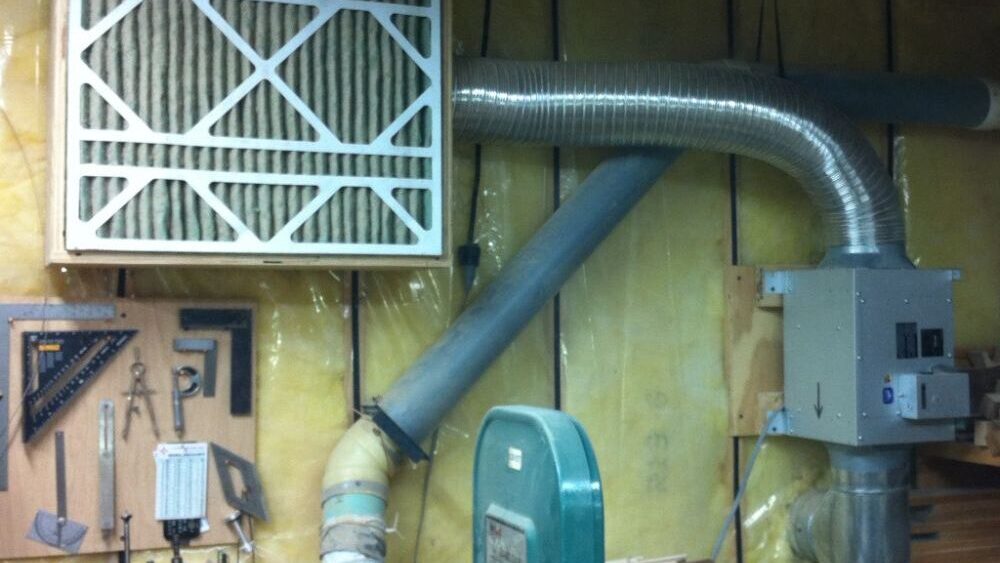
This prevents premature friction wear in dusty environments. Dedicated dust extraction ports clear swarf from the drilling zone immediately to protect spindle bearings and maintain sensor accuracy.
Procurement and Installation of Automated Drilling Systems
Procuring heavy industrial equipment involves navigating logistics, customs, and site preparation tasks. AOE manages the entire supply chain to ensure the machinery arrives at the facility ready for deployment.
Our engineering teams conduct rigorous site audits prior to delivery. We verify that the compressed air supply and electrical infrastructure meet stringent operational standards required for high-speed CNC equipment.
Strategic Partnership for Factory Scaling
Upgrading a factory floor requires a partner who understands the mechanical and economic realities of East African manufacturing. AOE provides the technical infrastructure and machinery required to scale panel furniture production efficiently.
Factory owners gain a decisive competitive advantage by standardising their drilling operations with proven automated platforms. We invite manufacturers to request demo sessions to see these efficiencies in person.
For specific configuration needs, please submit your machine inquiries to our technical department.
AOE Engineering Recommendation: Transitioning to a continuous-feed automated drilling platform is the most effective method for unblocking panel processing lines. Factory owners should evaluate the current ratio of cutting time to drilling time.
If boring takes more than double the saw cycle, upgrading to a six sided system is mathematically justified to maximise overall factory yield.