
AOE provides specialised technical insights for the East African woodworking sector, where production efficiency defines market success.
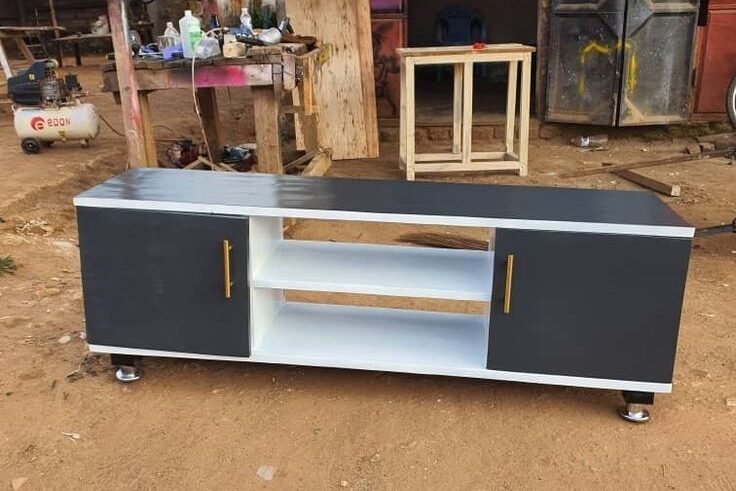
A sliding table saw equipped with a scoring blade eliminates bottom-edge chipping on laminated boards and reduces rework costs by up to 30% for melamine furniture manufacturers.
Workshop engineers who upgrade to a professional furniture panel saw consistently achieve factory-grade edge banding readiness, which increases daily cabinet throughput and minimises expensive panel wastage.
| Machine Classification | Edge Quality and Finish | Waste Percentage | ROI Period (High Volume) |
|---|---|---|---|
| Standard Cabinet Saw | Chipped bottom laminate | 15% – 25% | Negative (High waste cost) |
| Entry-Level Scoring Saw | Clean, requires frequent tuning | 5% – 10% | 18 – 24 Months |
| Heavy-Duty Sliding Table Saw | Flawless, industrial finish | Less than 2% | 12 – 16 Months |
Mechanics of the Scoring Blade for Chip-Free Melamine Cuts
Cutting double-sided melamine with a single blade causes the bottom edge to shatter as the teeth exit the brittle laminate surface.
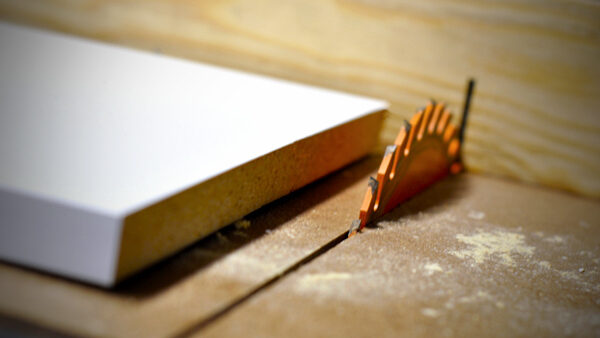
To counteract this material failure, operators utilise a specialised two-blade system to protect the substrate surface prior to the main separation cut. The scoring unit rotates in the opposite direction of the main blade to climb-cut the bottom veneer.
The adjustable scoring saw blade creates a shallow groove slightly wider than the main blade, which ensures a perfect edge during the primary pass.
Factory managers notice a significant reduction in rejected panels. This precision allows an edge banding machine to apply PVC tape without exposing unsightly substrate gaps or glue line defects.
Technical Specifications of Industrial Sliding Table Units
Heavy-duty sliding carriages constructed from anodised aluminium provide the necessary stability to handle full 2440mm x 1220mm board dimensions without deflection.
Precision linear guides ensure the carriage travels smoothly. This movement keeps the heavy panel perfectly aligned with the blade axis throughout the entire stroke.
Independent motor drives for the main and scoring blades allow workshop engineers to calibrate RPM outputs based on the specific board density.
External alignment controls let operators adjust the scoring kerf width on the fly. This adjustment matches the scoring path exactly to the main blade thickness after routine sharpening of industrial saw blades.
Productivity Gains for East African Board Processors
East African factories processing high volumes of MDF and particleboard face severe margin pressures when offcuts pile up in the workshop.
Machining clean cuts directly from the saw eliminates the need to manually route or sand board edges prior to the banding process. This efficiency allows for a faster production cycle and better use of floor space.
Production managers achieve higher yield per sheet by relying on precise digital rip fences and crosscut stops. This operational efficiency translates to faster assembly times.
It also creates a measurable drop in raw material consumption over the financial quarter, especially when paired with modern industrial design software to optimise cutting patterns.
Operational Integration and Operator Calibration Protocols
Transitioning operators from manual dimension saws to advanced sliding systems requires structured machine calibration training.
Technicians must learn how to synchronise the scoring unit with the main blade. This process involves adjusting for the specific coating thickness of local melamine supplies common in Kenya and surrounding regions.
Standard operating procedures dictate daily checks on carriage lubrication and blade alignment to maintain precise cut geometry. Well-trained machinists adapt quickly to pneumatic clamping systems.
These systems result in safer material handling and fewer workplace accidents during peak production shifts when output demands are highest.
Financial Return and Investment Analysis for Scoring Saw Technology
Capital expenditure on precision cutting machinery generates a rapid return on investment through recovered panel yield and reduced labour hours.
Factory owners justify the initial purchase price when they factor in the total elimination of secondary edge finishing. The reduction in manual labour allows staff to focus on assembly and quality control.
Industrial facilities reliably amortise the equipment cost over ten years when accounting for local depreciation scales. Lower rework rates bolster profit margins on high-volume commercial cabinetry contracts and multi-unit residential developments.
Consistent quality also reduces the likelihood of client rejections and costly site visits for repairs.
Local Technical Support and Spare Parts Availability
Sourcing machinery from a verified machinery supplier Kenya prevents costly downtime caused by proprietary replacement part shortages.
AOE technicians calibrate each installation to address local shopfloor voltage variability. This calibration safeguards sensitive electrical contactors from sudden grid fluctuations often experienced in industrial zones.

Preventive maintenance contracts provide routine replacements of drive belts, spindle bearings, and precision fences before catastrophic failures occur.
Access to local spare parts repositories keeps factory floors operational during demanding commercial fit-out seasons. Reliable support ensures the machine maintains its micro-precision over thousands of operating hours.
Market Competition and Quality Standards for Modern Cabinetry
Consumers and commercial buyers demand European-standard finishing on domestic joinery projects. Delivering flawless edge banding without visible glue lines or chipped substrate elevates a manufacturer’s brand reputation.
High-quality output allows workshops to secure lucrative commercial tenders that require strict adherence to architectural specifications.
Supplying consistently superior cabinetry establishes a dominant market position against competitors still relying on outdated single-blade cutting methods.
Manufacturers who integrate a CNC nesting router alongside their sliding saw can further diversify their product range to include complex shapes and curved components for premium residential contracts.
Planning for Machine Installation and Factory Layout
Integrating heavy panel processing equipment demands rigorous planning to avoid factory supply chain disruptions.
Production engineers must map out material flow to ensure raw boards enter the cutting zone without creating forklift bottlenecks. Logical layout design prevents freshly cut melamine panels from sustaining handling damage.
Standard 3200mm sliding table saws require a minimum operational footprint of 7 metres by 5 metres to accommodate full-stroke carriage travel. Concrete workshop floors must be levelled perfectly to prevent carriage twist.
A level floor ensures the machine frame remains completely rigid under heavy panel loads, which is vital for maintaining vertical cut accuracy.
Power Management and Electrical Stability in Industrial Zones
Industrial scoring saws typically run on three-phase 380V power systems and demand robust circuit breakers.
Workshops located in areas with fluctuating grid power should install commercial voltage stabilisers to protect the high-torque dual-motor system. Stable power prevents motor overheating and extends the lifespan of electronic components.
Modern IE3-rated motors draw significantly less current during idle phases, which cuts daily factory electricity overheads.
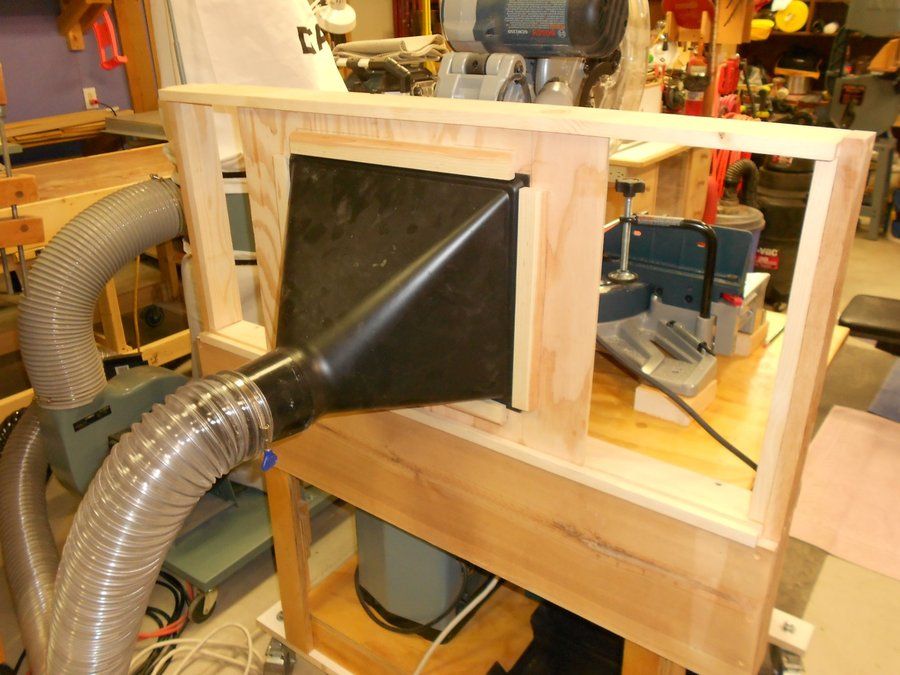
Dust extraction systems tied directly to the saw’s control board ensure the vacuum only runs during active cutting cycles. This integration conserves energy and maintains a clean environment for subsequent processes like using a furniture drilling machine.
Consumables Management and Preventive Maintenance Cycles
Replacing carbide-tipped main and scoring blades ranks as the primary recurring cost for high-capacity board processors.
Maintaining a rotation of at least three blade sets ensures the factory never halts production while dull blades undergo off-site diamond sharpening. High-quality tooling maintains the integrity of the melamine edge for longer periods.
Routine cleaning of the carriage guideways and the application of dry lubricants prevent the accumulation of abrasive melamine dust. Regular maintenance preserves the precision of the crosscut fence.
It also ensures the digital readouts maintain their factory-set tolerances, which is essential for achieving the production tips Africa manufacturers need to remain competitive.
Expert Verdict on Precision Melamine Cutting Solutions
Upgrading to a scoring-equipped panel saw is a non-negotiable technical requirement for facilities aiming to produce export-grade modern cabinetry.
The dual-blade configuration solves the persistent issue of laminate tear-out on the bottom face of the board. This solution directly impacts the final aesthetics and durability of the furniture.
Production managers should specify machines featuring independent scoring motors and externally adjustable alignment systems. Investing in robust carriage architecture guarantees long-term dimensional accuracy.
This investment safeguards manufacturing yield and overall commercial profitability. To discuss specific configurations for your facility, you may machinery consultation Kenya to schedule an expert site visit.