
A properly aligned industrial sliding table saw eliminates edge tear-out and wood burning by ensuring exact parallelism between the cutting carriage and the main blade.
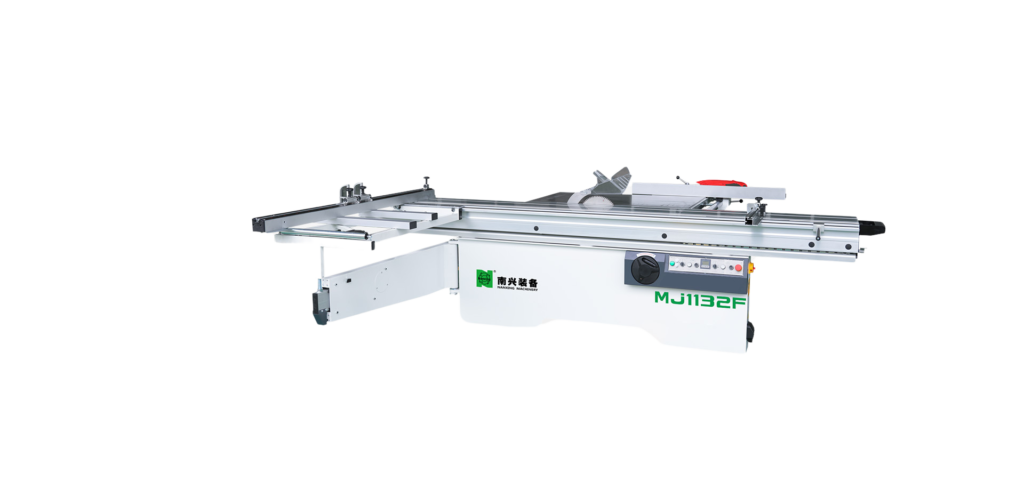
For East African furniture manufacturers processing melamine and solid hardwoods, mastering these micro-adjustments directly reduces panel waste. This precision lowers tooling replacement frequencies and maintains high-yield throughput without relying on constant external technician visits.
Professional panel saw Kenya operators understand that structural alignment is the foundation of every high-quality cabinetry project.
| Technical Metric | Factory Tolerance | Impact of Deviation | Recommended Tooling |
|---|---|---|---|
| Carriage Parallelism | 0.05 mm (Positive lead) | Wood burning and edge scorching | Dial Indicator on Magnetic Base |
| Crosscut Squaring | < 0.1 mm over 2.4 Metres | Out-of-square cabinet boxes | Five-Cut Method Off-cuts |
| Arbor Runout | < 0.03 mm | Chipping and vibration marks | Precision Machined Flanges |
| Blade Perpendicularity | 90.00 Degrees Absolute | Gaps in mitre joins | Digital Angle Gauge |
Diagnostic Indicators for Industrial Sliding Table Saw Misalignment
Blade Drag and Wood Scorching Analysis
Scorching on the timber surface or melamine edge indicates the carriage is out of parallel with the blade. This fault suggests the back teeth drag against the freshly cut edge, generating excess friction and heat.
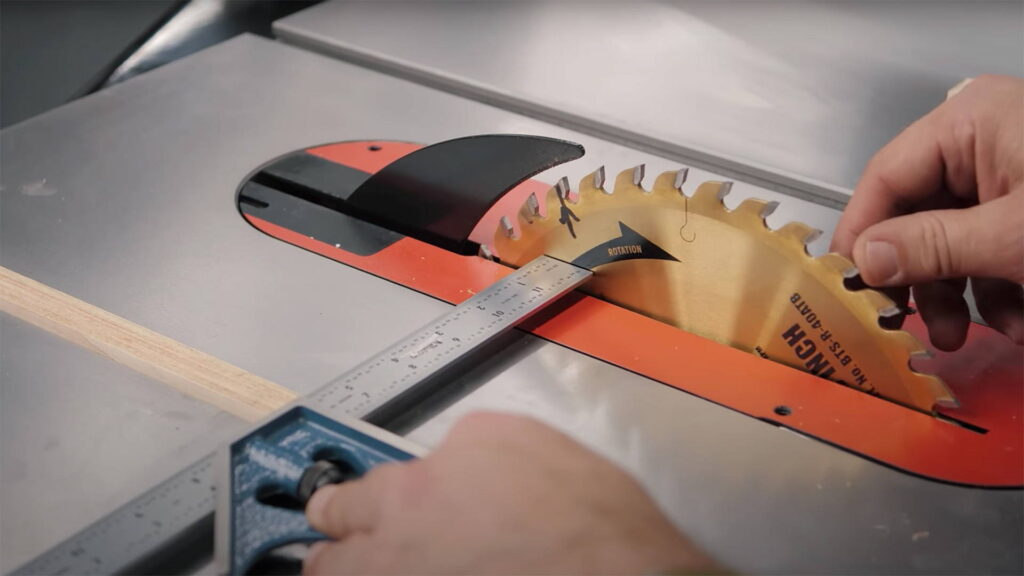
Operators must immediately check the sliding table track alignment to prevent the failure of an edge banding machine application due to charred fibres. Regular inspection of the track cams ensures the carriage travels in a straight line relative to the arbor.
| Alignment Fault | Primary Symptom | Required Action | ROI and Production Impact |
|---|---|---|---|
| Carriage Out of Parallel | Wood burning on back teeth | Micro-adjust eccentric track cams | Reduces tooling wear and stops rejection |
| Crosscut Fence Misalignment | Inaccurate panel diagonals | Execute 5-cut method calibration | Ensures rapid assembly without rework |
| Arbor Runout and Vibration | Heavy chatter or poor finish | Clean flanges or replace bearings | Extends spindle motor lifespan |
Dimensional Inaccuracy in Panel Sizing
Inconsistent panel dimensions typically point to fence misalignment or a shift in the crosscut carriage squaring. Workshop engineers measure diagonals on test cuts to confirm a perfect 90-degree angle.
A 0.5-millimetre deviation across a standard 2.4-metre board compromises the entire cabinetry assembly process. Production managers can request demo sessions for digital measuring stops to eliminate manual reading errors.
Excessive Vibration and Harmonic Noise
Heavy vibration during operation signals worn arbor bearings or improper blade seating. Machinists noting unusual harmonics inspect the mounting flanges for resin build-up.
Quality industrial saw blades require clean, flat contact surfaces to maintain stability at high RPM. Eliminating this resonance extends the spindle life and protects the motor bearings from premature failure.
Technical Micro-Adjustment Protocols for Panel Dividing
Sliding Table Track Parallelism Alignment
Factory technicians micro-adjust the sliding table track so the back teeth of the blade do not drag. Loosening the mounting bolts on the carriage rail allows for fine movement of the track.
A dial indicator mounted on the mitre slot measures the distance to the blade body at the front and back. The eccentric cams require adjustment until the back measurement is exactly 0.05 millimetres wider than the front to provide necessary clearance.
Blade Perpendicularity and Crosscut Fence Calibration
Achieving a perfect 90-degree cut requires calibrating the crosscut fence relative to the newly aligned sliding carriage. The five-cut method multiplies any existing error to make the deviation large enough to measure with digital calipers.
Adjusting the fence stop bolts systematically continues until the fifth off-cut measures exactly the same thickness at both ends. This level of precision is common for woodworking machines Nairobi shops use for high-end hotel fit-outs.
Blade Height and Tilt Mechanism Calibration
Accurate bevel cuts demand periodic calibration of the trunnion assembly and tilt stops. Engineers use a digital angle gauge zeroed to the cast-iron table to set the 45-degree and 90-degree hard stops.
Keeping the lifting mechanisms free of sawdust packing ensures smooth height adjustments. This maintenance prevents undue stress on the handwheel gears and maintains the accuracy of the internal tilting arc.
Production Efficiency and Material Yield Optimization
Material Yield Maximization and Waste Reduction

Accurate calibration directly minimises offcut waste during high-volume panel processing. Production managers see immediate ROI when operators stop discarding boards damaged by poor tracking.
Maximising the yield from standard MDF and plywood sheets lowers the per-unit material cost. These production tips Africa specialists advocate for help workshops remain competitive in price-sensitive markets.
Blade Lifespan Extension and Consumable Cost Control
Blades tracking perfectly parallel to the carriage experience minimal lateral stress. This optimal running condition preserves the tungsten carbide tips and doubles the time between sharpening cycles.
Workshops reduce their annual consumable expenditure by keeping tooling running within factory tolerances. Using furniture CAD CAM Kenya integrations further optimises the cutting path to reduce unnecessary blade engagement.
Cut Quality and Secondary Process Elimination
A true cut eliminates the need for secondary processing like edge sanding or routing. Edge banders apply glue and tape flawlessly to a perfectly square, un-scorched panel edge.
Eradicating these corrective steps increases daily throughput. This precision delivers the premium finish quality expected in modern commercial furniture manufacturing and high-end residential projects.
Maintenance Strategies for Alignment Stability
Daily Cleaning Protocols and Shift Inspections
Sawdust accumulation in the carriage tracks forces the bearings out of alignment. Operators employ compressed air to clear the guide rails and trunnion gears at the end of every shift.
A clean machine holds its zero point longer and maintains high-precision cutting through demanding multi-shift operations. Regular cleaning is a core responsibility for any reputable machinery supplier Kenya partner factory.
Weekly Alignment Audit Schedules
Supervisors implement a mandatory weekly check of the fence squareness and blade parallelism. Logging these measurements identifies slow structural shifts before they cause a batch failure.
Consistent auditing keeps the machinery operating within strict ISO tolerances required for institutional tenders. This data allows for more accurate machine inquiries when discussing upgrades or repairs with technical support teams.
Lubrication Management and Wear Monitoring
Dry bearings and unlubricated tilt gears create friction that degrades alignment accuracy over time. Maintenance teams apply dry PTFE lubricants to the sliding tracks to avoid attracting abrasive dust.
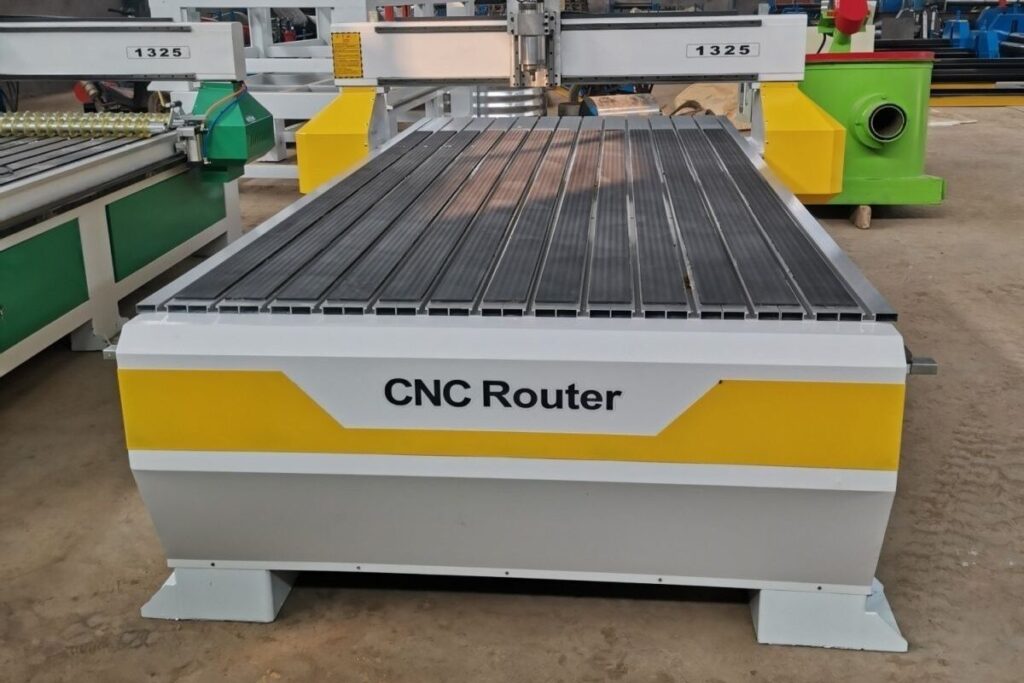
Replacing worn carriage rollers proactively prevents the sliding table from developing vertical play. Proper lubrication ensures that even a high-speed CNC nesting router or panel saw remains stable under heavy load.
Operator Training for Technical Diagnostics
Skill Development for Alignment Issues
Training staff to interpret cut defects transforms them into valuable floor technicians. Recognising the difference between a dull blade and a misaligned fence speeds up the diagnostic phase.
This foundational knowledge reduces machine downtime and keeps production lines moving efficiently. Skilled operators can identify issues long before they result in scrapped material or machine damage.
Advanced Troubleshooting and Self-Reliance
Senior machinists require instruction on correcting sub-table deflection and arbor runout. Teaching the team to utilise precision straightedges and feeler gauges builds vital self-reliance on the factory floor.
Independent troubleshooting capability insulates East African workshops from long delays waiting for imported technical support. This technical autonomy is essential for maintaining production schedules in remote regional hubs.
AOE Expert Recommendation for Precision Manufacturing
Achieving absolute precision on an industrial sliding table saw directly determines factory profitability and product finish quality. East African production floors must shift from reactive part replacement to proactive micro-adjustment strategies to compete effectively.
Mastering carriage parallelism, establishing rigid audit schedules, and leveraging professional calibration support ensures workshops decrease material waste and secure a leading position in the regional manufacturing sector.