
The Guigui furniture design software price in Kenya reflects an operational investment ranging from KES 150,000 to KES 250,000 annually. This expenditure restructures custom cabinetry production by transforming software from a passive IT cost into an active labour replacement tool.
Guigui software removes the requirement for dedicated CAD drafters and manual cutting list calculations. It frequently pays for itself by eliminating two salaries and reducing board waste on the factory floor. Production managers should view this investment as a primary driver of factory throughput and accuracy.

| Operational Metric | Manual Drafting (2 Staff) | Guigui Automation Module | Annual Factory Impact (Kenya) |
|---|---|---|---|
| Design to Cut-List Time | 4 to 6 Hours per Kitchen | 10 to 15 Minutes | Increases weekly processing capacity by 300% |
| Labour Cost | KES 800,000+ (Salaries) | KES 200,000 (Avg. License) | Net saving of KES 600,000+ in overheads |
| Material Yield (18mm MDF) | 80% to 85% Optimisation | 95%+ Algorithmic Yield | Recovers KES 150,000+ in board offcuts |
| CNC Routing Errors | High risk of manual input errors | Zero-touch direct machine code | Eliminates board remakes and downtime |
Technical Design Capabilities of Guigui Software
Parametric modelling engines in Guigui enable engineers to adjust cabinet dimensions globally with single data entries. This system generates automatic updates across all internal components including shelving gaps, hinge placements, and drawer runner clearances.
Production managers access accurate 3D renderings to verify structural integrity before any furniture panel saw begins processing physical boards. These renderings serve as a final check to ensure that the assembly logic matches the client requirements exactly.
Labour Cost Reductions through Guigui Software Automation
Factory directors deploy algorithmic design to control overhead inflation in high-volume workshops. The software acts as a rigid labour replacement tool. This shift allows human resources to move from repetitive data entry to physical quality control and assembly management.
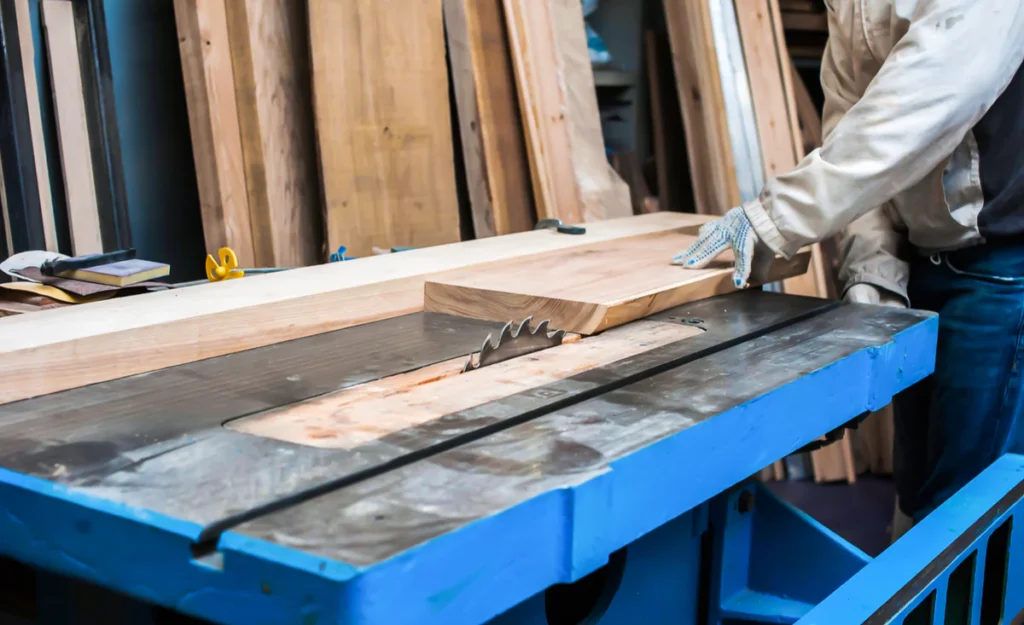
Generating instantaneous cutting lists and edge banding reports removes the human errors inherent in manual spreadsheet methods. Workshops can process more orders without increasing the administrative headcount.
ROI Analysis for Kenyan Furniture Manufacturers using Guigui
Software procurement in East Africa requires a strict assessment of capital expenditure against monthly operational savings. Guigui provides tiered licensing models to fit various business scales. Base modules suit smaller joinery shops focused on wardrobe and kitchen carcasses.
Advanced CNC nesting modules support fully automated production lines where speed is the primary metric. Most factories report a full return on the license investment within the first four months of active use.
Material Yield Improvements and Waste Reduction Protocols
Raw material expenditure dictates profit margins in the competitive Kenyan cabinetry sector. Guigui includes advanced layout algorithms to maximise sheet yield on standard 1220mm x 2440mm imported boards. This precision prevents operator miscalculations at the saw.
Average factory offcut waste typically drops from 15% to under 5% when using algorithmic nesting. This efficiency allows a manufacturer to produce more cabinets from the same volume of raw MDF or chipboard.
Integration of Guigui Software with Industrial CNC Machinery
Digital manufacturing requires uninterrupted data transfer between the design office and heavy machinery. Guigui outputs machine-readable code by exporting DXF, XML, and MPR files. This data flows directly to CNC nesting routers and point-to-point furniture drilling machines.
Direct machine communication eliminates manual parameter entry by the operator. Complex joinery files execute exactly as the engineering team intended. Consistent data transfer also reduces the load on industrial saw blades and bits by ensuring optimal feed speeds.
Local Technical Support and Training Services in East Africa
Adopting industrial software requires local troubleshooting to prevent production downtime. AOE engineers provide targeted training sessions for workshop staff to ensure they master the interface.
These sessions cover hardware library configuration and default parameter settings specific to the Kenyan market. Localised technical support ensures factories resolve layout glitches and maintain continuous throughput during high-demand commercial fit-out projects.
Having a partner on the ground ensures that software updates do not disrupt the production cycle.
Nesting Algorithms for Timber Cost Optimisation
Imported melamine boards represent the highest variable costs for Nairobi-based furniture manufacturers. Guigui’s nesting module rotates and interlocks asymmetrical cabinet panels to extract maximum value from every single board.
Operators use these generated cutting maps to accelerate loading times at the machine. This process increases daily sheet processing capacity by up to 40% compared to manual nesting. The reduction in waste contributes directly to the bottom line of the business.
Implementation Strategies for AOE Engineering Consultation
Transitioning from manual drafting to automated production requires careful systems architecture and machine calibration. AOE specialists audit current machinery lineups to configure Guigui’s backend databases.
This process matches the software to specific edge banding machines and hardware suppliers used in the workshop. Custom configuration ensures that generated production codes execute flawlessly from the point of installation. This technical alignment prevents the common integration gaps found in generic software setups.
Final Engineering Summary and Operational Guidance
Investing in Guigui design software transitions a workshop from reactive crafting to predictable, high-yield manufacturing. The initial software cost is immediately offset by the permanent recovery of drafting salaries and the drastic reduction of board waste.
Factories scaling their cabinetry output must integrate this algorithmic automation to maintain competitive pricing and strict delivery schedules. For a detailed assessment of how this technology fits your current workflow, request a demo from our technical team.
Partnering with AOE ensures your factory remains at the forefront of East African manufacturing standards.