
Safely processing heavy solid wood doors requires mitigating severe kickback risks. The Nanxing MJ1132F manages this task through its robust 3100mm sliding table and an integrated riving knife.
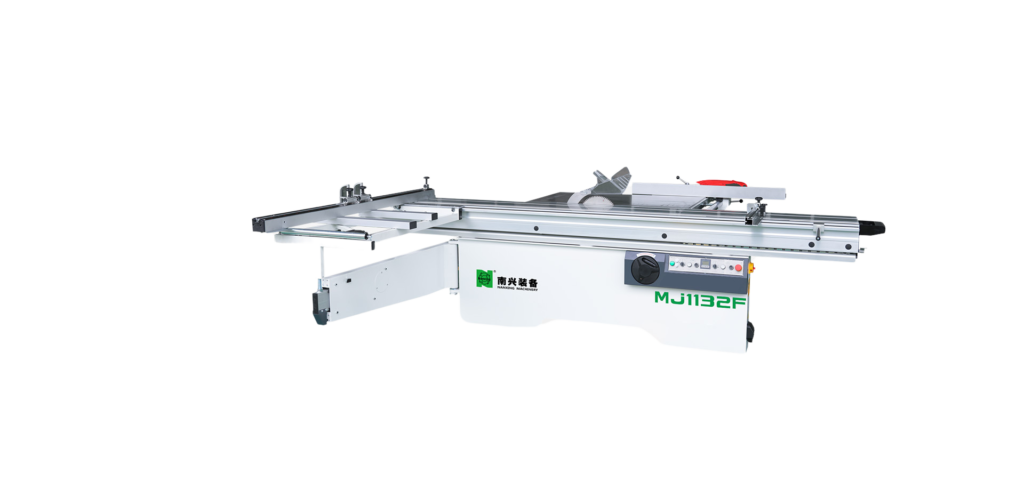
East African workshop engineers rely on this specific panel saw Kenya configuration to prevent dense timber species like mahogany or mvule from pinching the blade. This setup ensures continuous production without compromising operator safety.
| Feature Category | Nanxing MJ1132F Specification | Industrial Production Benefit |
|---|---|---|
| Main Drive Motor | 5.5 kW (7.5 HP) High-Torque | Maintains RPM through 50mm hardwood door cores. |
| Sliding Carriage | 3100 mm Anodised Aluminium | Supports 2.4m architectural doors with precision. |
| Safety Hardware | Integrated Riving Knife | Neutralises internal timber tension and kickback. |
| Fence Control | Motorised with 0.1mm Accuracy | Eliminates manual measurement errors in batching. |
| Extraction Capacity | 3000 m³/hr Requirement | Removes fine hardwood dust from the breathing zone. |
AOE provides these machines with full technical support to help local factories transition from manual sizing to industrial-grade throughput.
Using professional equipment reduces the physical strain on operators while increasing the accuracy of every cut.
Technical Specifications of the Nanxing MJ1132F for Solid Wood Processing
Solid wood inherently binds and kicks back when internal stresses release during the sizing process. The 3100mm cutting length of the Nanxing MJ1132F supports full-size doors comfortably.
The riving knife prevents the timber from pinching the 5.5kW main blade during long rip cuts. This mechanical safeguard allows operators to process heavy, tension-rich hardwoods without the risk of sudden material ejection.
Blade System and Thermal Management
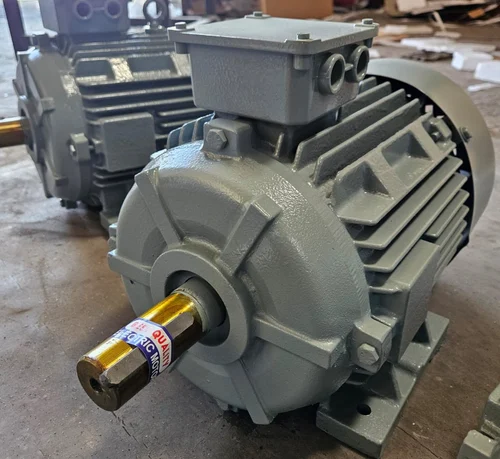
The 5.5kW primary motor delivers high-torque rotation to slice through 50mm thick solid core doors without stalling. Operators adjust the independent scoring and main blade heights digitally to match the exposure to the timber thickness.
This precision minimises friction and heat build-up. Correct depth control stops the blade from burning the hardwood edges and preserves the material for final finishing.
Workshops should use high-quality industrial saw blades to maintain edge quality in abrasive tropical timbers.
Safety Guarding and Emergency Halt Mechanisms
Overhead blade guards shield the operator from high-velocity wood chips and catastrophic kickback events. Strategic emergency stop buttons placed along the operator workstation immediately halt the 5.5kW motor if a heavy door panel shifts off the crosscut fence.
These fail-safes remain critical when handling heavy mass timber that carries immense momentum. The guard system also serves as the primary collection point for fine dust particles.
Pneumatic Material Clamping and Support Systems
Handling an 80kg solid wood door requires heavy-duty pneumatic clamps that lock the material against the anodised aluminium carriage. This rigid workholding stops the door from vibrating or skewing out of square as it travels past the spinning blade.
Stable clamping protects the workforce from muscle strain and guarantees a straight cutting trajectory. The wide profile of the sliding table ensures the door remains level throughout the entire stroke.
Operational Efficiency and Throughput for Heavy Door Manufacturing
Production managers use industrial panel saws to maintain high throughput rates while eliminating bottlenecks at the sizing stage. The sliding table glides on precision linear guides to allow a single operator to feed massive door blanks smoothly.
This mechanical advantage reduces the physical labour and time spent per door. Implementing these production tips Africa factory managers rely on can double the daily output of a standard joinery shop.
Batch Processing and Cycle Time Optimisation
Standardising door sizing speeds up the entire factory floor operation. Setting the crosscut fence to rigid stops lets workshops process batches of 50 doors per shift with zero remeasurement downtime.
Consistent batch processing directly lowers the labour cost attached to every manufactured unit. The MJ1132F allows for rapid transitions between different door heights and widths without stopping the motor.
Digital Control Interfaces for Precision Cutting
Digital readouts eliminate human error when translating cut lists to the machine bed. The operator inputs the required rip fence dimension and the motorised fence positions itself to within 0.1mm accuracy.
This digital precision replaces manual tape measuring to boost both output speed and dimensional reliability. Consistent dimensions are vital when the doors proceed to an edge banding machine for final treatment.
Rapid Setup for Custom Entryway Production
Quick changeovers between standard 820mm interior doors and 1200mm custom entryways dictate daily workshop profitability. Quick-release levers on the crosscut stops allow technicians to reconfigure the cutting envelope in seconds.
Faster setup translates to more operational machine hours and higher revenue generation for the facility. The machine logic stores common dimensions to reduce mental fatigue for the operator.
Material Handling Precision for Tropical Hardwoods
Heavy hardwood processing demands machinery that absorbs structural vibration rather than transferring it to the cut edge. The robust cast iron trunnion housing the blade ensures zero deflection under the weight of large solid timber loads.
High mass in the machine chassis guarantees clean and straight cuts across dense East African timbers. This stability is particularly important for factories that integrate furniture CAD CAM Kenya standards into their physical production.
Achieving Absolute Squareness in Large Scale Joinery
A poorly sized door requires expensive hand-planing at the installation site and ruins project margins. The Nanxing MJ1132F maintains 90-degree squareness across a full 3.1-metre stroke to guarantee perfectly plumb door edges.
This level of accuracy ensures structural doors fit standard frames straight off the saw. The precision of the carriage prevents the “stepping” effect often seen on lower-quality machines.
Waste Reduction and Yield Maximisation
Hardwood raw material costs in East Africa remain high. This makes first-pass yield a critical manufacturing metric.
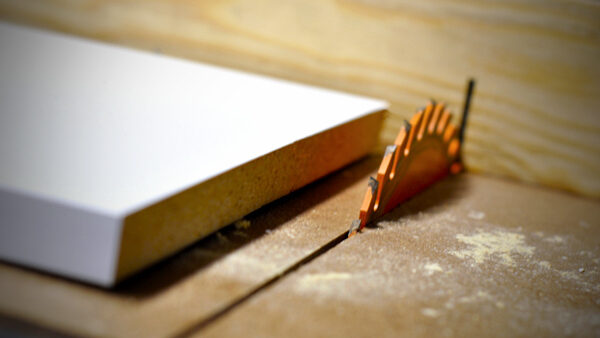
Accurate parallel cuts stop operators from discarding expensive timber due to taper or scorch marks. Maximising board yield directly improves the bottom line for custom joinery workshops.
Every millimetre saved across a batch of 100 doors contributes to significant annual timber savings.
Ergonomic Advantages for the Production Workforce
Factory owners protect their workforce from repetitive strain injuries when manhandling heavy solid core doors. The wide profile of the sliding carriage supports the entire door weight.
This design reduces the physical lifting effort required by the operator. Ergonomic material handling lowers fatigue and leads to safer and more focused operation at the end of a shift. A focused operator is less likely to bypass safety protocols.
Maintenance Protocols for Machine Longevity
Capital machinery depreciates rapidly without strict preventative maintenance regimes. Scheduled upkeep maintains cutting tolerances and protects the workshop investment over a long lifecycle.
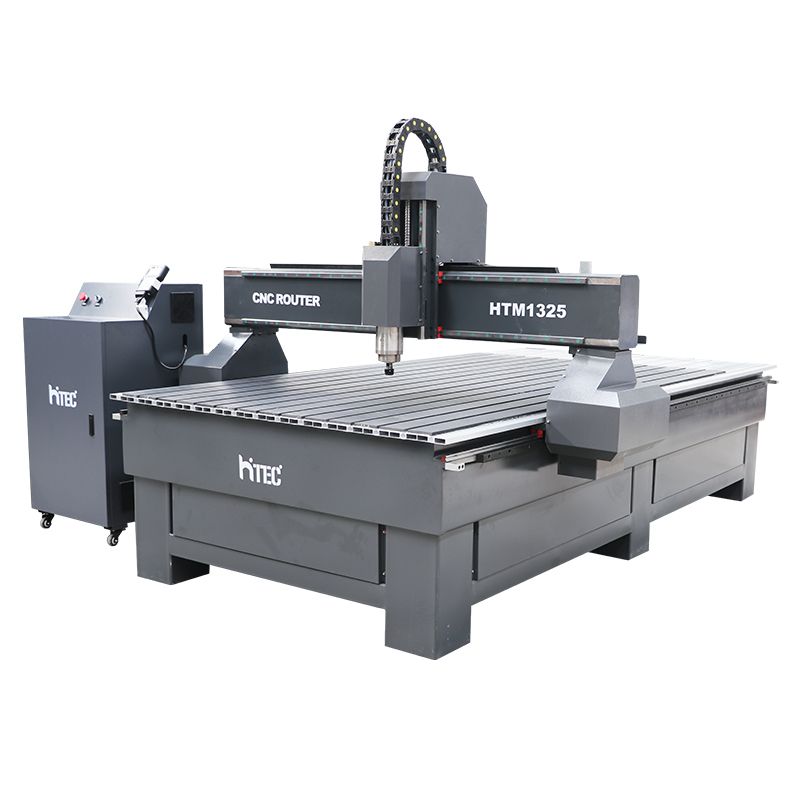
Integrating the MJ1132F into a workflow with a CNC nesting router requires all machines to be on the same service frequency to avoid line stoppages.
Routine Maintenance for Industrial Saws
Engineers must clear resin build-up from the blade flange and lubricate the sliding carriage bearings weekly. These simple interventions prevent the table stroke from becoming stiff under heavy door loads.
Consistent lubrication stops abrasive wear on the precision steel guides. Technicians should also check the riving knife alignment daily to ensure it remains perfectly centred behind the blade.
Electrical and Drive System Care
Regularly inspecting the drive belts guarantees full power transfer from the 5.5kW motor to the saw arbor. Replacing worn belts promptly stops the blade from stalling in dense timbers.
Scheduled servicing of electrical contactors prevents motor burnouts caused by voltage fluctuations. This is a common requirement in regional industrial zones where power stability varies.
Operator Induction and Safety Training
Rigorous induction training must cover safe hand placement and push-stick usage. Educated operators recognise the warning sounds of a pinching blade and adjust their feed rate before kickback occurs.
Skilled personnel run the machine at its optimal feed speed to maximise throughput without stressing the components. Training ensures that the integrated safety guards are never removed during operation.
Investment Impact and ROI for Modern Woodworking Factories
Factory owners calculate equipment ROI based on labour savings and increased daily output. Upgrading to industrial-grade sizing equipment shifts a workshop from manual joinery to scalable manufacturing.
The precision of the Nanxing MJ1132F ensures that every component is ready for downstream processes without rework.
Cost-Benefit Analysis for Heavy Duty Sizing
Replacing outdated table saws with a heavy-duty panel dividing saw reduces cycle times by over 40%. The initial capital outlay pays for itself through eliminated rework and lower timber wastage.
High-precision cuts remove the need for secondary edge sanding and strip an entire step out of the production line. This efficiency allows the factory to take on more complex architectural projects.
Productivity Gains in High Volume Environments
High-volume door manufacturers measure profitability in units shipped per shift. Expanding production capacity to 100 accurately sized doors daily provides a concrete metric for ROI tracking.
Faster processing means factories can bid on larger commercial contracts without fearing production bottlenecks. The MJ1132F provides the reliability needed for 24-hour operation if required.
Long Term Value of Cast Iron Construction
A heavy cast-iron chassis outlasts lighter machines by a decade in demanding industrial environments. This prolonged operational life turns the initial investment into a profitable long-term asset.
Reduced downtime and minimal spare part requirements compound the financial benefits over the machine lifespan. A well-maintained Nanxing saw retains a high resale value in the regional market.
Dust Extraction Requirements for Hardwood Safety
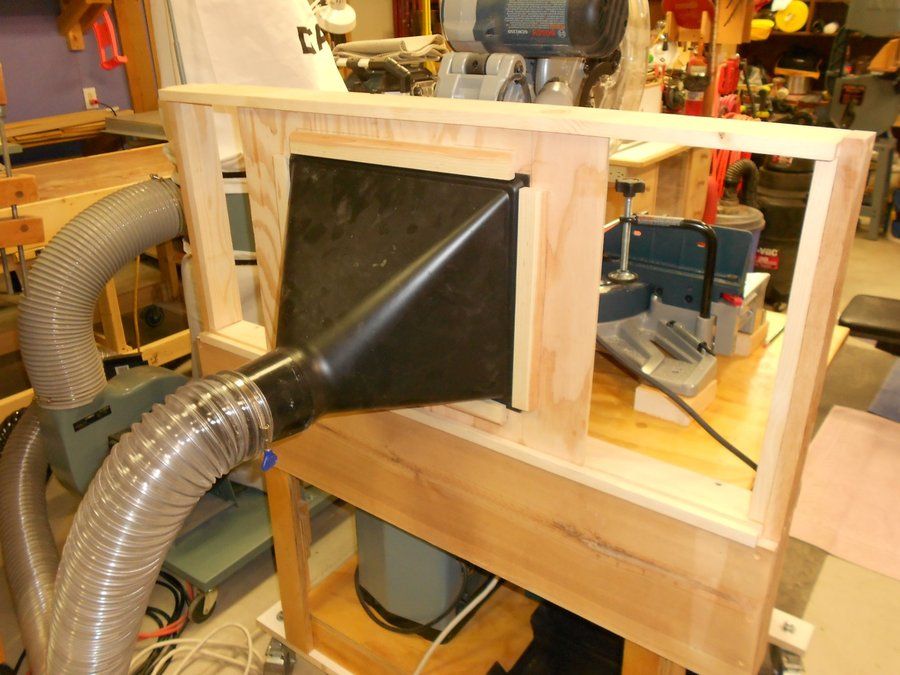
Processing solid timber generates dense particulate matter that clogs machinery and poses respiratory risks. Integrating high-capacity extraction is a non-negotiable requirement for high-volume solid wood operations. Proper dust management protects both the mechanical components and the health of the technicians.
Respiratory Protection and Workforce Health
High-velocity extraction at the blade guard captures fine hardwood dust before it reaches the operator. This engineered control lowers the risk of occupational asthma and keeps the workforce healthy.
A clean breathing environment improves operator focus and reduces costly sick leave. Healthier workers are more productive and more attentive to safety protocols during heavy lifting.
Protecting Internal Mechanisms from Dust Accumulation
Sawdust accumulation inside the motor housing leads to overheating and premature electrical failure. Connecting the saw to a dedicated 3000m³/hr cyclone extraction system keeps the internal trunnion mechanisms clean and cool.
Dust-free lead screws and elevation gears maintain their calibration accuracy for years. Regular vacuuming of the internal cabinets prevents fire hazards.
Installation and Calibration Procedures for AOE Equipment
Proper deployment demands rigid adherence to factory layout specifications. Correct installation prevents vibration and ensures immediate cutting accuracy.
AOE technicians provide onsite commissioning to verify that every parameter meets the original factory standard.
Utility Stability and Factory Floor Layout
A panel saw processing 3-metre doors requires a minimum footprint of 7×5 metres for safe material movement. Workshops must clear offcut bins and pedestrian walkways from the operation zone.
East African facilities must provide stable 380V three-phase power to prevent the 5.5kW motor from pulling excessive amperage during voltage dips. Stable power is the foundation of motor longevity.
Precision Alignment for Square Cutting
Technicians level the cast iron table to the sliding carriage using precision dial indicators during setup. They align the sliding stroke to run perfectly parallel to the main blade to eliminate the microscopic taper that causes kickback.
Professional commissioning ensures the machine delivers absolute squareness from the first cut. For a full assessment of your facility needs, you can schedule factory visit with our engineering team.