
Daily maintenance of panel saw Kenya rails prevents premature bearing failure and extends the machine’s functional lifespan by up to 40%.
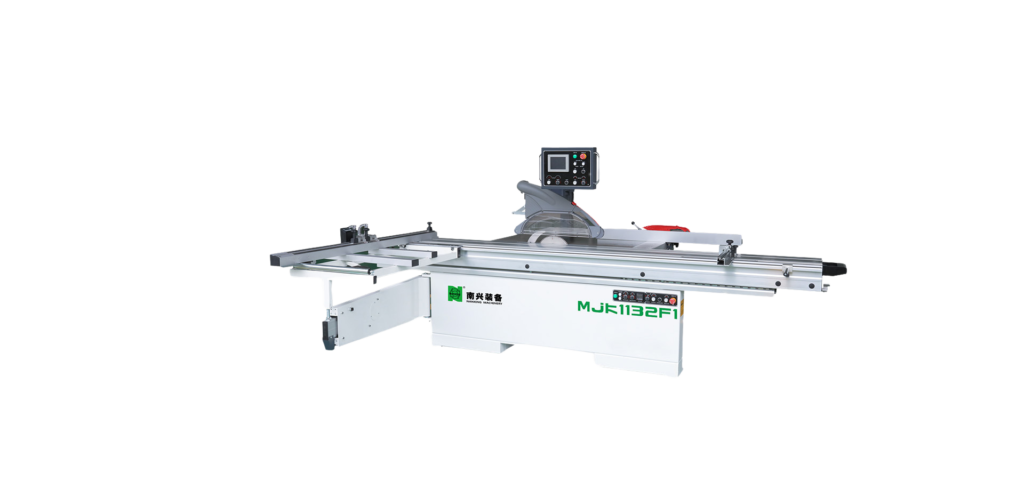
East African workshop managers who enforce stringent dust control protocols reduce unexpected downtime. This practice eliminates the costly need to replace scored carriage guides mid-production.
| Maintenance Strategy | Estimated Rail Lifespan | Cut Tolerance Deviation | Annual Downtime Risk |
|---|---|---|---|
| Heavy Oil and Irregular Cleaning | 2 to 3 Years | Up to 1.5mm per metre | High (Bearing Seizures) |
| Daily Dry Wiping and No Oil | 10+ Years | Less than 0.1mm per metre | Low (Routine Checks) |
Mechanical Vulnerabilities of Sliding Table Saw Rails
The carriage mechanism relies on hardened steel guides and precision ball bearings to deliver frictionless movement across large panel lengths.
Woodworking machines Nairobi face constant exposure to abrasive wood particulates during MDF and chipboard processing. These particulates settle on the tracks during the cutting cycle.
The continuous rolling action of the carriage compresses the dust into a hardened layer. This layer compromises cut accuracy and increases physical resistance during operation.
Operational Standards for Daily Carriage Rail Maintenance
Operators must wipe the sliding carriage rails dry daily to remove fine particulate buildup before it solidifies. Compressed air clears larger debris from the track channels.
Industrial-grade microfibre cloths capture the residual microscopic dust that eludes the vacuum system. Factory managers should schedule this mandatory cleaning cycle at the end of every shift.
This schedule ensures the industrial panel dividing equipment remains calibrated for the next morning’s production run.
Technical Impact of Rail Maintenance on Precision and Output Quality
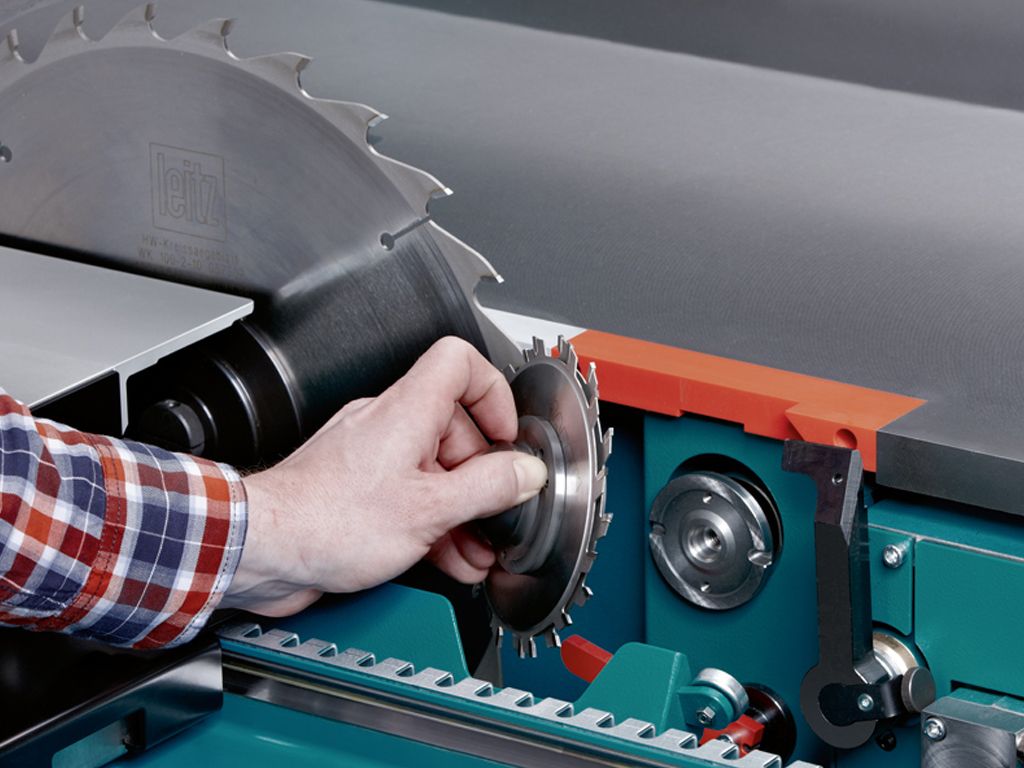
Clean rails ensure the carriage travels in a perfectly linear path. This stability prevents industrial saw blades from deviating during long rip cuts.
Debris buildup forces the operator to apply more manual pressure. This pressure results in microscopic edge chipping on melamine boards.
Workshops that maintain pristine guide systems produce perfectly square panels. This accuracy directly reduces adhesive failure rates at the AOE edge bander.
Risks of Using Improper Lubricants on Precision Tracks
Heavy grease and standard machine oils act as magnets for airborne wood fibre. Sawdust mixed with machine oil creates a grinding paste that rapidly erodes the hardened steel surface of the tracks.
Maintenance teams must strictly avoid using sticky lubricants that trap debris and ruin the bearing system. They should rely on dry PTFE sprays only if specified by the equipment manufacturer.
Production managers should consult the production tips Africa guide for further lubrication standards and hardware protection.
Financial Returns and ROI of Proactive Rail Maintenance
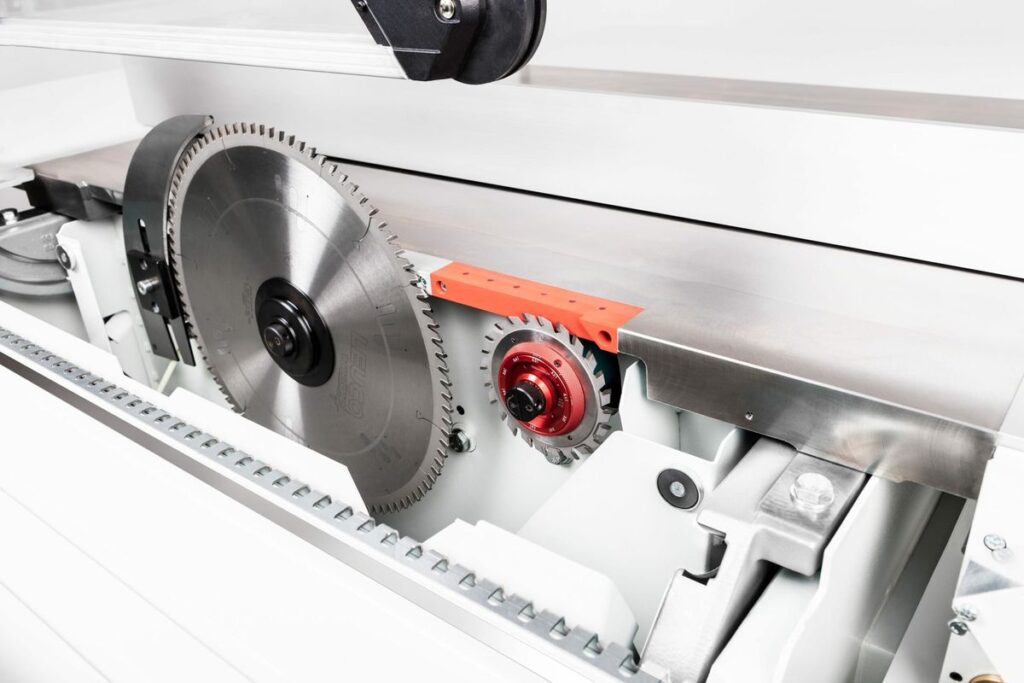
Replacing a compromised carriage rail assembly costs thousands of dollars and halts factory output for weeks while waiting for imported parts.
Rails maintained through daily care eliminate these catastrophic repair bills and extend the capital depreciation cycle. Production planners report that a five-minute daily cleaning ritual yields an immediate return on investment.
This ritual keeps machine availability above 98% and prevents the wastage of expensive board materials.
Managing Total Cost of Ownership and Workforce Skills
East African manufacturing facilities frequently face high operator turnover. This turnover interrupts the continuity of essential machine care routines.
Standardising the daily wipe-down procedure lowers the total cost of ownership by insulating the machinery against untrained handling. Implementing visual checklists directly on the machine console empowers new staff to perform critical maintenance.
These tasks do not require advanced mechanical engineering skills. Requesting a machinery consultation Kenya can help factory owners develop these standard operating procedures for their staff.
Technical Support for Maximising Machine Lifespan in East Africa
AOE technicians engineer site-specific maintenance schedules that account for the high ambient dust levels common in regional timber processing workshops. We provide comprehensive on-site training to ensure your operators understand the mechanical physics behind track preservation.
Proper technical support ensures your sliding table saw rails deliver the exact same cutting precision in year five as they did on installation day.
Our team also calibrates CNC nesting router systems to ensure they meet the same high standards of durability in local environments.
AOE Engineering Recommendation
Integrate rail cleaning into the final 10 minutes of every operational shift. Prohibiting wet lubricants and mandating dry-wipe protocols will protect the complex bearing architecture.
This discipline ensures your cutting department maintains high yield rates and exact European panel standards.
For further information on durable machinery, visit the about AOE page to see our commitment to regional manufacturing excellence.