
Adopting laser edge banding technology allows East African furniture manufacturers to produce high-end acrylic cabinets with zero-joint, waterproof edges that command premium market prices.
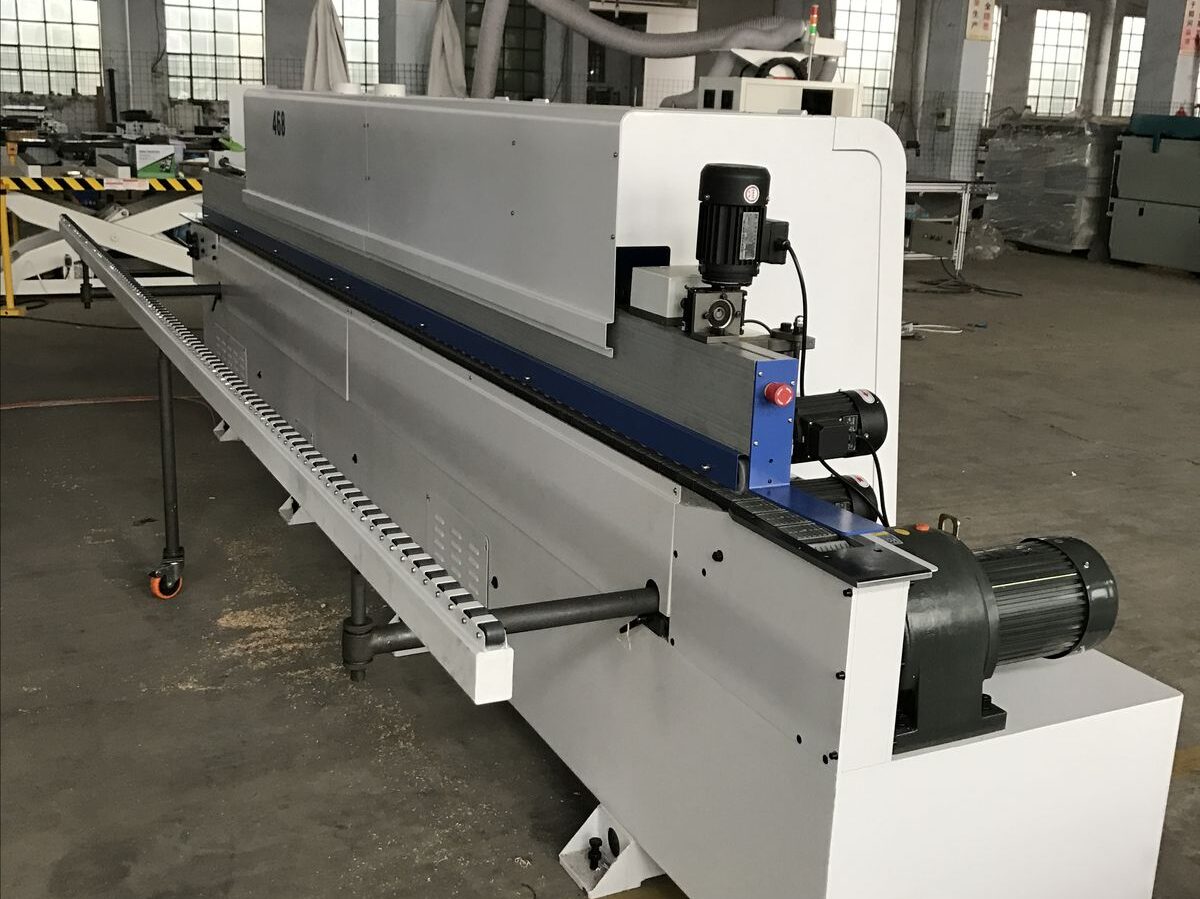
Upgrading from traditional EVA or PUR glue systems eliminates adhesive degradation in humid climates. This transition reduces delamination failures and rework on luxury commercial fit-outs in regions like Nairobi and Dar es Salaam.
Factory owners can schedule a machinery consultation Kenya to evaluate how these systems integrate into existing production lines.
| Performance Metric | Traditional PUR Systems | Nanxing Laser Technology (NB773M) | Operational Impact |
|---|---|---|---|
| Bonding Method | Chemical Adhesive (Glue Pot) | Polymer Fusion (Diode Laser) | Eliminates glue charring and cleaning. |
| Edge Visuals | Visible glue line (0.1mm+) | Zero-joint finish | Meets luxury architectural standards. |
| Warm-up Time | 30 to 45 Minutes | Immediate Activation | Increases daily uptime by 10%. |
| Moisture Resistance | High (Requires PUR) | Absolute (Molecular Bond) | Prevents swelling in kitchen units. |
Core Mechanisms and Operational Capabilities of Laser Edge Banding Equipment
Laser edge banding technology replaces conventional hot-melt adhesive tanks with precise diode lasers. Factory owners immediately benefit from eliminating the daily maintenance associated with glue pot cleaning and heat-up delays.
This direct-melt approach bonds the tape to the acrylic board at a molecular level. Industrial units like the Nanxing NB773M provide a stable platform for high-volume production where consistency is the primary objective.
Laser Activation Principles for Zero-Joint Fusion
Laser banding eliminates the glue pot entirely. The NB773M uses a laser generator to melt the co-extruded polymer layer on the tape, creating a 100% waterproof, zero-joint finish resistant to yellowing.
This physical fusion creates a mechanical bond that surpasses the structural integrity of the acrylic board itself.
The process ensures that industrial saw blades and trimmers work against a clean surface without adhesive buildup.
Production Capacity and Throughput Rates of Industrial Edge Banders
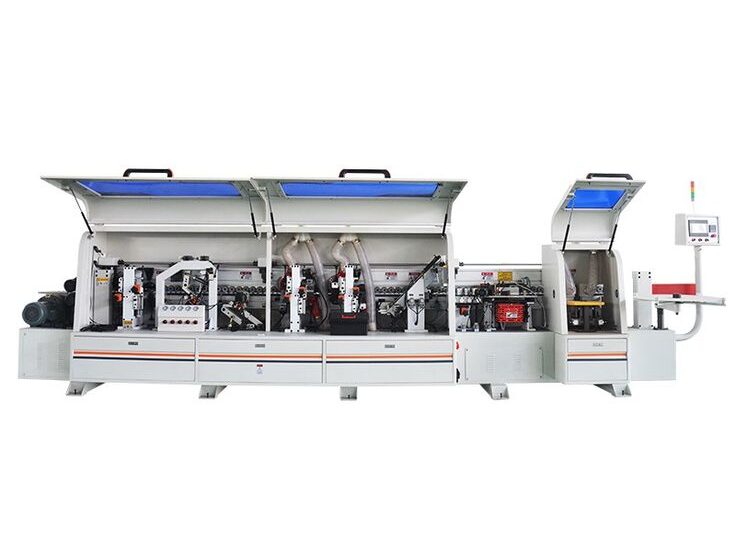
Modern industrial banders configure multi-stage processing zones to handle continuous high-speed feeds. Production managers can expect throughput rates exceeding 25 metres per minute without compromising the edge quality on thick acrylic panels.
Rapid motorised adjustments allow operators to switch between batch runs without manual recalibration. This speed complements the output of a high-speed industrial panel dividing saw, ensuring no bottlenecks occur in the primary processing phase.
Product Quality Improvements for Acrylic Cabinet Manufacturing
High-end cabinetry demands execution where the edge tape visually merges with the panel face. Traditional glue lines attract dust and discolour over time, ruining the aesthetic of gloss acrylics.
Using furniture CAD CAM Kenya helps designers plan these precise finishes for complex kitchen layouts.
Visual Consistency and Zero-Joint Aesthetic Quality
The laser melting process creates an invisible transition between the board and the edge band. Workshop engineers achieve an optic unity that mimics solid acrylic material, satisfying the strict demands of luxury interior designers.
Machined boards exit the line ready for immediate hardware installation. This finish quality is essential when pairing panels with components from CNC nesting routers that require tight tolerances.
Structural Resistance to Moisture and Heat in Kitchen Cabinets
Polymer-bonded edges outperform standard EVA glues in harsh structural testing. Factories producing kitchen and bathroom cabinets deliver units that resist steam, boiling water spills, and common cleaning solvents.
The bond remains stable even when cabinets are installed near ovens or high-humidity areas, which are common challenges for furniture longevity in East Africa.
Long Term Durability and Resistance to UV Exposure
UV exposure in bright East African climates frequently degrades standard adhesives, causing unsightly yellowing along cabinet edges.
The co-extruded functional layer activated by the laser contains UV stabilisers that guarantee long-lasting colour fidelity. Furniture brands secure longer warranty periods for their luxury residential installations.
This durability is a key insight discussed in many manufacturing trends Kenya reports regarding the move toward higher-quality exports.
Operational Efficiency Gains and Cost Reductions in Glue-free Production
Transitioning to glueless systems restructures the operational expenditure of a panel processing facility.
Managers eliminate the continuous procurement of EVA or PUR pellets and the associated chemical cleaning agents.
Minimising Material Waste and Consumable Expenses
Traditional edge banders often ruin metres of tape during glue application tuning and temperature stabilisation.
Laser systems operate with absolute precision from the first board, pushing material yield closer to 100%. Financial controllers see an immediate drop in consumable overheads.
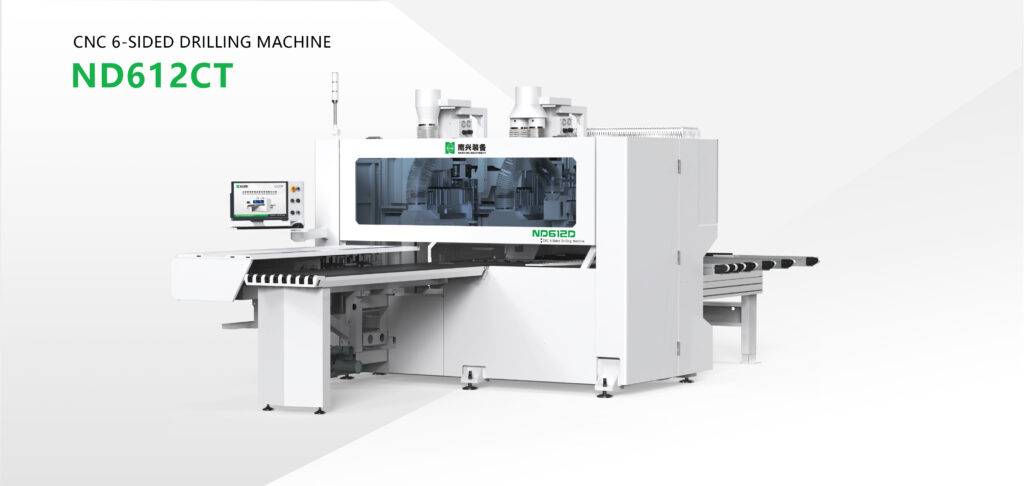
The precision of the laser also reduces the load on a furniture drilling machine by ensuring edge dimensions are perfectly uniform for dowel insertion.
Production Cycle Acceleration and Labour Allocation Advantages
Removing the glue heating phase strips up to 45 minutes of dead time from the daily production schedule. Operators initiate cutting and banding sequences immediately upon powering the machine.
Workshops reallocate labour previously spent scraping excess glue into quality control and assembly tasks.
This shift improves the overall flow of the factory, allowing more projects to pass through the assembly stage per shift.
Preventative Maintenance Cycles and Long Term Asset Lifespan
Glue pots represent the highest failure point in traditional edge banders due to carbon build-up and burnt adhesive.
Removing this component extends the overall machinery lifespan and reduces emergency maintenance downtime. Regular servicing shifts focus to optical lens cleaning and standard pneumatic checks.
AOE technicians provide the necessary support to ensure these optical systems remain calibrated for the regional climate.
Strategic Integration of Laser Edge Banding Equipment in Regional Workshops
Integrating advanced laser equipment requires precise workshop preparation. East African production floors must account for stable power delivery and dust extraction to protect the sensitive optical arrays.
Facility Layout Requirements and Infrastructure Upgrades
Heavy-duty laser banders demand reinforced concrete flooring to prevent micro-vibrations that disrupt the laser focus.
Facility managers must install dedicated voltage stabilisers to protect the laser generator from local grid fluctuations.
Upgraded extraction systems are mandatory to clear vaporised polymers from the processing zone effectively. These adjustments ensure the machine performs to its rated specification over a long service life.
Operator Skill Development and Technical Proficiency Standards
Operating laser machinery shifts the required skill set from mechanical troubleshooting to digital interface management. Engineers conduct rigorous onsite training to familiarise local operators with laser parameter programming and safety protocols.
Technicians learn to adjust focal lengths and feed speeds for different acrylic tape thicknesses. This professional development increases the technical value of the local workforce.
Regional After Sales Support and Spare Parts Logistics
Industrial laser units require specialised diagnostic tools during annual maintenance cycles. AOE acts as a reliable machinery supplier Kenya, providing regional factory support across East Africa to ensure replacement parts and certified technicians arrive within 24 hours of a breakdown.
Production managers avoid the downtime associated with importing bespoke optical components from overseas.
Return on Investment Analysis for Laser Edge Banding Machinery
Capital expenditure on laser equipment requires a clear financial justification based on output value rather than just processing speed.
High-end machinery shifts a factory from a volume-based business to a high-margin, premium supplier.
Capturing Market Share in the East African Luxury Furniture Sector
Developers constructing premium residential towers and luxury hotels in Nairobi and Kigali demand European-grade cabinetry.
Local factories utilising laser technology win these lucrative contracts by matching imported quality at shorter lead times. The ability to produce a jointless finish is often the deciding factor for high-value tenders.
Manufacturing Reputation Management Through Quality Control
Supplying zero-joint acrylic cabinets elevates a manufacturer’s standing among elite architects and specifiers.
Consistent product excellence reduces snagging lists on large commercial fit-outs. Word-of-mouth referrals within the commercial sector accelerate when edge delamination becomes a non-issue for the client.
Pricing Strategies for Premium Grade Cabinetry
Zero-joint cabinetry commands a retail premium of up to 30% over standard glued alternatives. Factory owners adjust pricing models to compete with imported luxury brands while maintaining high internal profit margins.
The reduction in manual finishing labour further enhances the profitability of each unit sold.
Market Differentiation Through Industrial Laser Technology
Urbanisation and rising middle-class disposable income drive the demand for sophisticated interior styling across the region.
Traditional local workshops struggle to produce gloss acrylic finishes without visible glue lines. Investing in laser banding separates tier-one factories from the saturated standard-board market
. This technology provides a tangible advantage that customers can see and feel in the final product.
Investment Selection Criteria for Industrial Edge Banders
Specifying the correct machinery requires aligning the technical capabilities of the bander with the factory’s target capacity.
Production directors must evaluate both the hardware specifications and the vendor’s regional infrastructure.
Choosing a system like the Nanxing NB773M ensures that the machine can handle the rigours of 24/7 production environments.
Machinery Specifications for Scalable Furniture Production
High-volume commercial contractors require continuous feed systems operating at 25 to 30 metres per minute to meet project deadlines.
Boutique luxury joinery shops might prioritise dual-laser systems that handle both standard tapes and premium acrylics with rapid changeover times.
Selecting the right kilowatt rating for the laser generator dictates the maximum tape thickness the machine can process.
Warranty Frameworks and Component Availability for Optical Systems
Laser diodes and optical lenses degrade over thousands of hours and require scheduled replacement. Partnering with suppliers who stockpile critical laser components in regional East African hubs prevents production halts.
Comprehensive warranties must cover the laser generator specifically, as it represents a significant portion of the asset value.
Capital Investment Planning and Equipment Financing Options
Upgrading to laser technology represents a significant capital layout for regional factories. Manufacturers frequently leverage asset financing structures through local banks to spread the equipment cost over a depreciation cycle.
The immediate reduction in consumable spending helps offset the monthly machinery repayments, making the investment cash-flow positive in a shorter timeframe.
Technical Consultation and Expert Recommendations for Regional Factory Upgrades
Committing to glue-free manufacturing is an effective strategy for capturing the luxury fit-out market in East Africa.
AOE advises factory managers to audit their current electrical infrastructure and dust extraction capabilities before finalising a machine purchase.
Our engineering team provides site assessments to determine which laser bander configuration matches your acrylic panel production targets. Transitioning to this technology ensures your facility remains competitive as regional quality standards continue to rise.