
Factory managers analysing the panel saw Kenya market must evaluate how industrial cutting capacities impact daily production throughput and panel yield.
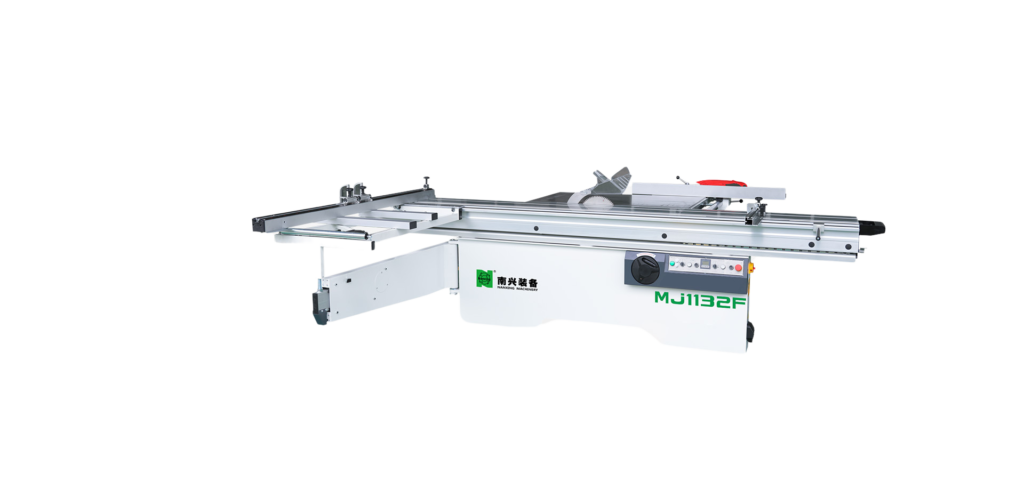
Upgrading from manual circular saws to precision panel sizing equipment allows commercial furniture makers to eliminate dimensional errors and standardise high-volume batch processing.
Professional AOE machinery specialists provide the following data to guide your procurement strategy.
| Machine Tier | Typical Application | Estimated ROI Timeline | Core Manufacturing Benefit |
|---|---|---|---|
| Entry-Level Manual | Small bespoke joinery | 12 to 18 Months | Replaces handheld circular saws, stabilising straight panel cuts. |
| Mid-Range (Heavy Duty) | Growing MDF/Particleboard shops | 14 to 20 Months | Handles 18mm full sheets at scale with dedicated scoring motors. |
| Industrial CNC Readout | High-volume factory batching | 18 to 24 Months | Servo-driven positioning reduces operator error and offcut waste. |
Investment Strategies for Sliding Table Saws in Kenya
Scaling a carpentry operation in East Africa demands rigorous capital allocation. Production managers often treat the initial machinery acquisition as a sunk cost.
This approach fails to measure how precision cuts dictate downstream assembly speed. Investing in a robust sliding table saw accelerates panel sizing. This investment ensures that an edge banding machine or CNC router receives perfectly squared boards.
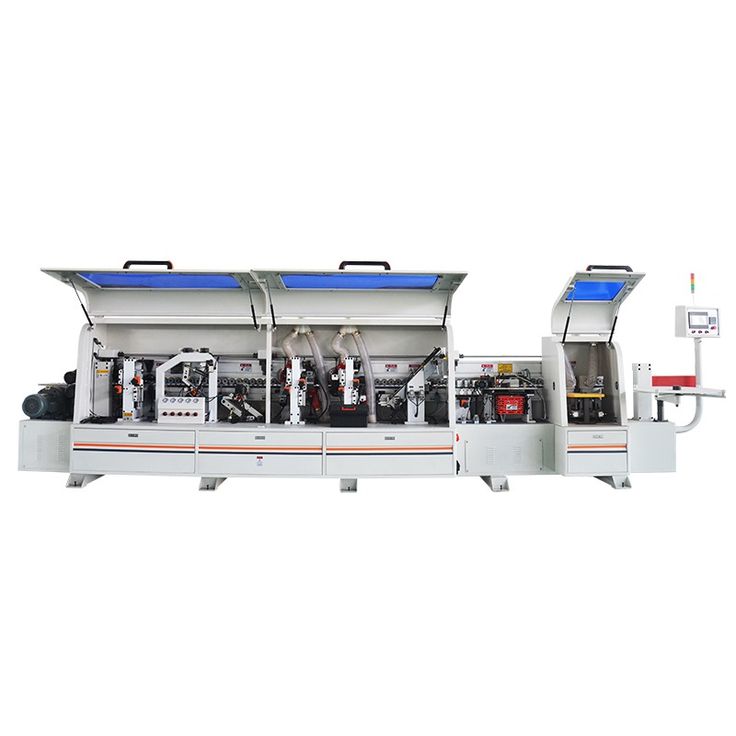
Workshops reliant on outdated cutting methods suffer from inconsistent dimensions and slow processing times. Upgrading the primary cutting station removes the most common bottleneck in cabinet and furniture manufacturing lines.
Proper equipment evaluation protects capital and positions the factory for larger commercial contracts. Managers should review production tips Africa to understand how modern layouts improve workflow.
Technical Engineering of Precision Panel Sizing Equipment
Industrial panel saws utilise heavy-duty extruded aluminium carriages running on hardened steel linear guides. This engineering choice prevents table deflection when loading 1220mm by 2440mm high-density melamine boards.
Independent scoring motors represent another critical specification. These motors pre-cut the laminate layer to prevent edge chipping during the main blade pass.
Workshop engineers must prioritise machines with cast iron trunnions supporting the saw arbour. This structural rigidity absorbs motor vibration. This results in glass-smooth cut edges that require zero manual sanding before edge banding.
Squaring fences with micro-adjustment dials allow operators to lock in dimensions to a fraction of a millimetre. High-quality industrial saw blades further enhance the finish quality of every component.
Production Throughput Gains via Industrial Cutting Stations
Transitioning to an industrial sliding table saw increases the volume of panels a workshop can process in a single shift. Dual-motor configurations allow continuous operation at optimal feed rates.
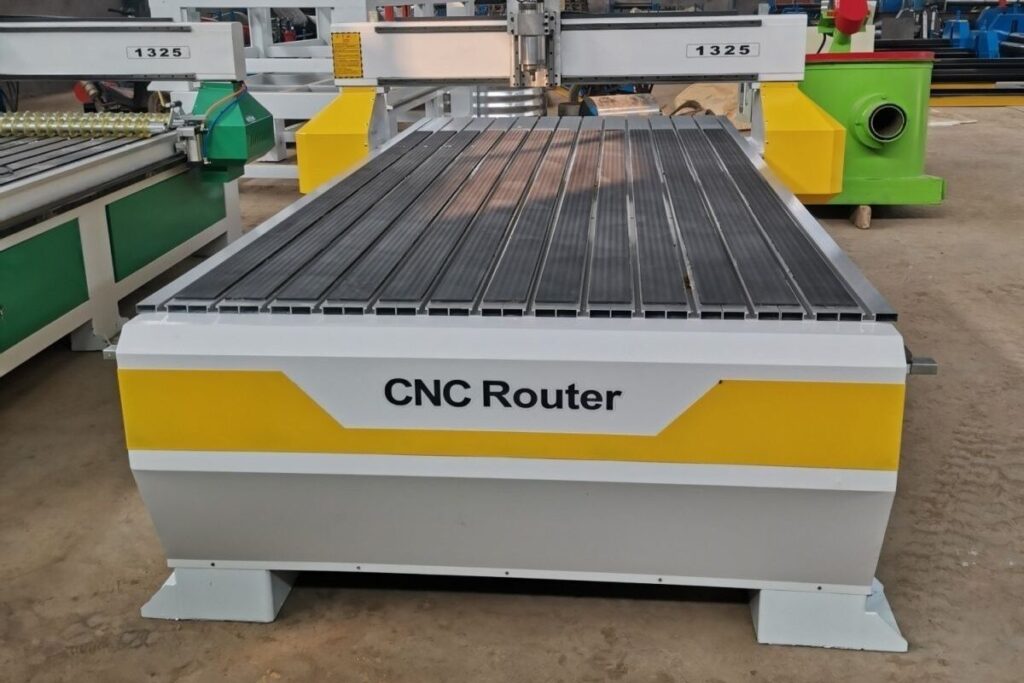
These systems avoid thermal overload during heavy workloads. Operators spend less time wrestling with raw materials and more time executing precise cuts. Integrating a CNC nesting router alongside a panel saw creates a versatile production floor capable of both batch and bespoke work.
High-capacity saws enable stack cutting. This technique allows multiple thin sheets to be processed simultaneously. Stack cutting multiplies throughput for standardised drawer bottoms or cabinet backings.
Consistent output from the cutting department ensures downstream assembly teams never stand idle waiting for components.
Material Yield Optimization and Waste Management
Material costs dominate the operating expenses of any East African furniture manufacturer. The MJK1132F1 includes a servo-driven crosscut fence and digital readouts.
This technology prevents the costly mistake of cutting 100 panels slightly short due to a faulty manual ruler. Precision engineering ensures that expensive boards are utilised to their maximum potential.
Automated positioning eliminates the human error inherent in reading analogue tape measures under poor workshop lighting. The machine actively recovers its own purchase cost by maximising panel yield and reducing the rework rate to near zero.
Scrapping expensive high-gloss MDF boards becomes a problem of the past. Advanced furniture CAD CAM Kenya software can also sync with these machines to optimise cutting patterns.
Financial Metrics for Industrial Machinery Investment
Smart factory owners calculate Total Cost of Ownership by combining the purchase price with expected maintenance, power consumption, and blade sharpening expenses over five years.
A machine with a higher upfront cost but heavy-duty bearings frequently outlasts budget alternatives. This secures a much stronger ROI. Lower downtime and reduced spare parts consumption heavily skew the long-term financial metrics in favour of premium equipment.
Local financial institutions increasingly offer asset financing for manufacturing machinery that demonstrates clear productivity improvements. Presenting a business case based on reduced material waste and doubled cutting capacity helps secure favourable loan terms.
Structuring the investment through machinery financing preserves operational cash flow for raw material procurement. This financial stability allows for further expansion into equipment like a furniture drilling machine.
Machine Durability in Local Manufacturing Environments
East African manufacturing environments present unique challenges. These include aggressive dust levels and intermittent power grid voltage drops.
Premium sliding table saws combat these conditions through sealed industrial bearings and heavily shrouded internal components. Magnetic motor starters and thermal overload relays protect the electrical systems from sudden power surges.
The structural integrity of the machine base dictates its lifespan on a demanding factory floor. Fully welded steel frames resist the twisting forces generated by manoeuvring heavy timber.
This maintains the alignment of the sliding carriage over decades of use. Quality equipment is built to withstand the rigours of continuous 8-hour shifts without losing calibration.
Maintenance Infrastructure and Technical Training
Machine downtime halts the entire production line. This reality makes local technical support a critical purchasing metric.
Sourcing equipment from a machinery supplier Kenya who maintains local inventories of drive belts, scoring blades, and limit switches guarantees rapid return to operation. Relying on imported parts for emergency repairs destroys project deadlines and damages client trust.
Technical experts calibrate each installation to address local shopfloor layouts and dust extraction requirements. Comprehensive operator training ensures staff understand blade height optimisation and carriage maintenance.

This training reduces user-induced mechanical failures. Proper handling techniques extend the intervals between major service overhauls.
Strategic Partnerships for Long Term Growth
Procuring industrial machinery constitutes a long-term partnership rather than a single transaction. B2B suppliers offering preventative maintenance schedules help factory managers identify bearing wear before it causes a catastrophic breakdown.
This proactive approach keeps manufacturing schedules predictable and protects gross margins. A robust local support ecosystem includes access to expert blade sharpening services and software integration assistance.
Working with established machinery guides ensures your workshop receives continuous operational advice as your production scales. True partners help you navigate the transition from bespoke manual builds to automated batch manufacturing.
You can begin this journey by booking a machinery consultation Kenya to assess your current facility needs.
AOE Technical Recommendations for Long Term Production Value
Evaluating the true cost of panel processing requires a shift from seeking the lowest initial price to demanding the highest long-term yield.
Factory owners must prioritise structural weight, carriage engineering, and digital fence precision to eliminate the hidden costs of material waste. Upgrading to a heavy-duty sliding table saw fundamentally changes your ability to compete for large-scale commercial fit-outs.
Expert consultants recommend selecting equipment with dedicated scoring motors and local parts availability to safeguard production timelines. The MJK1132F1 stands out as the optimal choice for scaling operations.
It offers the exact blend of industrial durability and digital precision required in modern East African workshops. Secure your market position by investing in machinery that actively drives your daily profitability.