
Rigorous CNC nesting machine maintenance protects the critical three-axis screw drive. This process ensures consistent 0.1mm cutting accuracy across high-volume East African production runs.
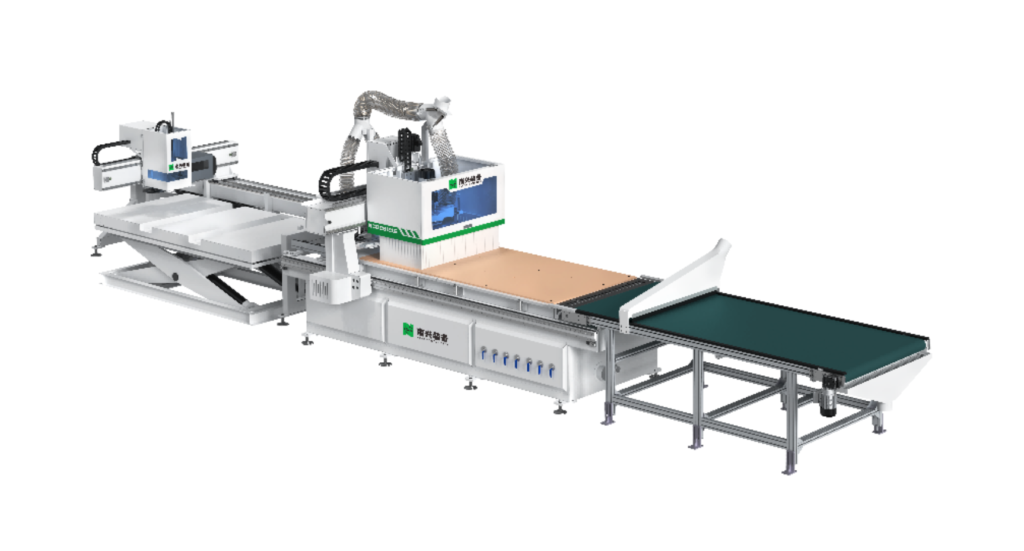
Factory managers must prioritise daily moisture purging and advanced dust extraction to prevent internal valve rust and linear guide rail clogs.
These actions directly reduce unplanned downtime and costly panel rework in professional woodworking environments.
| Maintenance Strategy | Technical Input Requirement | Downtime Impact | Mechanical Lifespan (Screw Drive) |
|---|---|---|---|
| Reactive (Fix-on-Fail) | Minimal upfront time | High (1-3 weeks per failure) | Negative (Rapid thread wear) |
| Basic Preventative | 30 mins daily + basic lubricants | Moderate (Planned minor stoppages) | Standard (3-5 years) |
| Advanced Systematic | Daily checks + digital tracking + local spares | Very Low (Eliminates catastrophic failures) | Optimal (8+ years with 0.1mm accuracy) |
Professional furniture manufacturers often integrate their CNC nesting router with high-capacity extraction to maintain clean drive components. The precision of the screw drive determines the quality of every cabinet component produced.
Technical Mechanics of CNC Nesting Machine Drive Systems
The three-axis screw drive dictates the 0.1mm accuracy required for tight-tolerance cabinet and furniture assembly. Moisture in the pneumatic system causes internal valves to rust and fail.
Poor dust extraction quickly clogs the linear guide rails and increases friction. Workshop engineers must recognise that these interconnected systems require daily inspection to maintain baseline operational efficiency.
Consistent lubrication of the ball screws prevents the accumulation of abrasive particulates that cause micro-pitting on bearing surfaces.
Preventative Maintenance Schedules for High Volume CNC Production
Routine CNC nesting machine maintenance requires factory owners to implement strict lubrication schedules for the ball screws and rack-and-pinion assemblies.
Operators apply high-viscosity industrial grease to the drive mechanisms weekly to mitigate metal-on-metal friction during aggressive cutting cycles. This proactive approach prevents premature screw thread wear and protects the capital investment.
Maintaining clean router bits Kenya workshops use also reduces the lateral load placed on the screw drive during high-speed feed rates.
Managing East African Environmental Challenges in CNC Woodworking
Manufacturing floors across East Africa experience high ambient humidity and aggressive airborne wood particulates. High moisture levels enter factory air compressors and travel directly into the machine pneumatic cylinders.
Operators must use water traps to prevent this ingress. Upgrading factory extraction systems handles the excessive dust loads generated by MDF and particleboard.
This keeps the mechanical tracks free from abrasive buildup. This is particularly important when operating a furniture panel saw or nesting machine in coastal regions where salt and humidity accelerate corrosion.
Diagnostic Procedures for CNC Nesting Machine Accuracy Deviations
Production managers detecting dimensional discrepancies or poor edge finish must immediately inspect the primary drive systems. Grinding noises or irregular toolpath movements often indicate compromised bearings or dried lubrication along the precision screw drive.
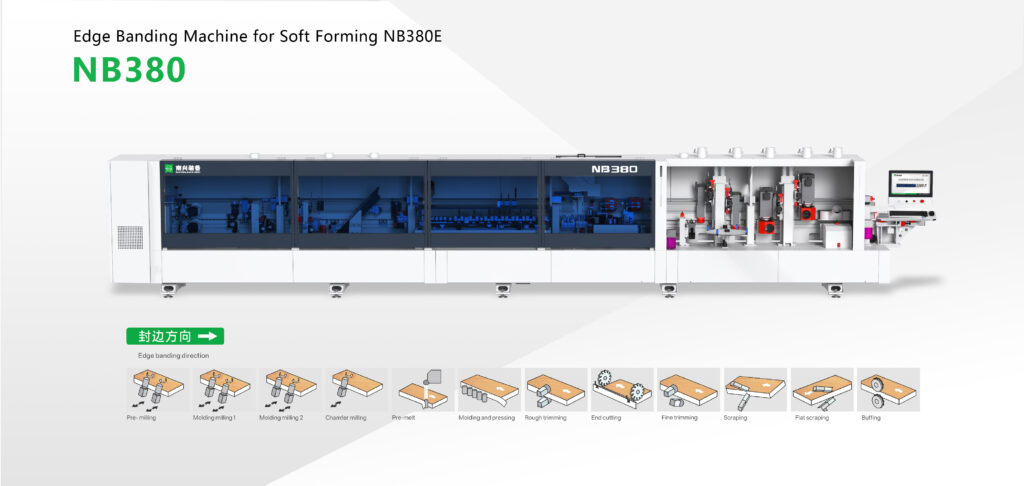
Identifying and resolving these mechanical deviations early stops catastrophic servo motor failures. Proper diagnostics restore acceptable manufacturing tolerances and ensure that parts fit perfectly during assembly on an edge banding machine later in the production line.
Logistics and Spare Parts Management for East African Factories
Sourcing critical replacement components across East Africa demands proactive inventory planning by factory procurement teams. Stocking essential limit switches, pneumatic seals, and drive belts locally prevents weeks of stalled production.
The machinery supplier Kenya factories trust usually recommends a “critical spares kit” for every new installation. Establishing relationships with regional technical support ensures rapid on-site diagnostics and professional recalibration when internal teams exhaust standard troubleshooting protocols.
Economic Impact of Structured CNC Maintenance Programs
Production lines operating without structured maintenance protocols suffer accelerated depreciation and higher scrap rates. Implementing rigorous preventative checks reduces tooling wear and extends the operational lifespan of the precision screw drive by years.
Factory owners achieve a rapid return on maintenance investments by lowering the cost per cut and reducing material waste. Well-maintained machines produce cleaner edges, which simplifies the workload for a CNC drill Kenya operators use for secondary processing.
Operator Training for CNC Moisture and Dust Mitigation
Machine operators require targeted technical training to manage the specific environmental challenges present in regional workshops. Equipping staff with the skills to calibrate moisture separators and clean extraction manifolds directly lowers the incidence of pneumatic valve failures.
Competent floor staff represent the first line of defence against aggressive wear on the linear guide rails and screw drives. Training should include the correct use of furniture CAD CAM Kenya software to optimise toolpaths and reduce unnecessary machine travel.
Standardising Maintenance Frameworks for Industrial CNC Routers
Structuring a reliable maintenance framework forces production managers to standardise daily, weekly, and monthly machinery checks. Moving away from reactive repairs guarantees higher machine availability and protects product quality.
A systematic programme ensures every operator takes ownership of machinery health. These frameworks are essential for maintaining the manufacturing trends Kenya is seeing toward full factory automation.
Establishing Preventative Maintenance Schedules
Documented service intervals hold floor operators accountable for daily machine care. Daily checklists include purging air lines and clearing swarf from the rail sweeps.
Monthly procedures require engineers to verify servo tension and re-grease the primary screw drives. Consistent documentation allows managers to track the performance of the machine over its entire lifecycle.
Critical Spare Parts Inventory Management
Maintaining a minimum viable stock of wear components eliminates emergency logistics expenses. Workshop stores should carry extra tool holders, collets, and pneumatic fittings at all times.
This localised buffer insulates the factory floor from regional supply chain disruptions. Having these parts on hand ensures that minor repairs do not turn into week-long shutdowns.
Integrating Digital Maintenance Management Systems
Modern factories utilise software to track service intervals and log historical drive system faults. Digitising these records highlights recurring mechanical issues and allows engineers to identify failing components before they halt production.
Data-driven maintenance scheduling maximises the yield from every active router on the floor. Digital logs provide a clear audit trail for quality control and equipment valuation.
AOE Technical Support for Industrial CNC Performance
AOE provides tailored technical audits to align workshop maintenance capabilities with high-speed manufacturing demands. Our engineers configure extraction setups and pneumatic safeguards to combat the specific humidity and dust loads found in regional factories.

Experienced technicians provide on-site training to ensure your team can handle routine calibrations independently.
Engineering Recommendation
Workshops operating heavily in MDF and plywood must retrofit high-capacity moisture traps onto their main compressor lines immediately. Combining clean, dry pneumatics with a strict weekly screw drive lubrication schedule is the most cost-effective method to maintain 0.1mm accuracy.
These steps prevent permanent mechanical degradation and sustain high production speeds. Factory owners can schedule factory visits to evaluate their current maintenance frameworks against industrial best practices.