
Integrating Guigui software enables East African manufacturers to connect client 3D renders directly to a CNC nesting router. This integration removes manual CAD drafting from the production cycle.

Converting complex kitchen and wardrobe models straight into machine-ready G-code allows production managers to optimise board yields. Factories using this system regularly output over 80 square metres of processed panels per day.
| Production Metric | Traditional Manual CAD and CAM | Guigui Automated Integration |
|---|---|---|
| Drafting Time per Kitchen | 12 to 16 Hours | 1 to 2 Hours |
| Average Material Yield | 78% to 82% | 92% to 95% |
| Daily Panel Output | 30 to 40 Square Metres | Over 80 Square Metres |
| Operator Skill Level Required | High (CAD Specialist) | Medium (Machine Minder) |
Production facilities in Nairobi and Dar es Salaam often face high material costs and skilled labour shortages.
Adopting automated workflows provides a measurable advantage in these markets. Manufacturers can browse the latest AOE equipment listings to see how modern hardware complements this software.
Guigui Software Capabilities and Design to Code Workflow
The platform centralises the entire production data flow from the initial showroom render down to the spindle movement. Operators bypass traditional intermediate step conversions.
This direct data transfer reduces human data-entry errors on the shop floor. The direct link ensures that what the client approves on screen matches the exact dimensions cut on the router bed.
3D Design Import and Parametric Editing with Guigui Systems
Workshop engineers import native 3D room layouts directly into the engine for immediate structural breakdown. Parametric capabilities allow production managers to adjust cabinet dimensions globally across an entire project.
Changing one depth variable automatically updates all associated shelves, dowel holes, and hinge placements. This feature removes the need for piece-by-piece redrawing.
Automated Nesting and G Code Generation Features
Guigui software eliminates manual CAD drawing by converting 3D kitchen renders directly into G-code processing files. The internal algorithm continuously optimises the board layout to minimise offcuts and maximise sheet utilisation.
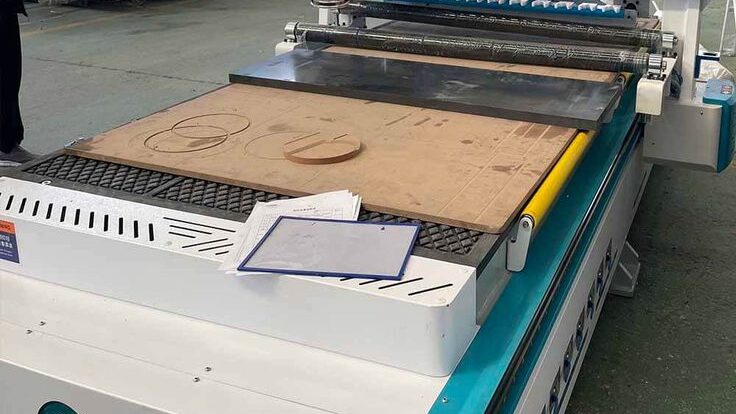
High-speed automated nesting allows a standard production line to output over 80 square metres of machined melamine per day. This efficiency is critical for workshops using an industrial panel saw Kenya alongside CNC equipment.
Simulation and Collision Detection for Production Accuracy
Toolpath simulation runs natively before any material reaches the vacuum bed. The system identifies potential spindle collisions, overlapping cuts, and invalid boring trajectories.
Detecting these errors digitally saves router bits Kenya and prevents the destruction of expensive MDF and particleboard stock. Digital verification provides a safety net for high-speed manufacturing environments.
Integration of Guigui Furniture Design Software with Existing CNC Machinery
Retrofitting older production lines requires robust communication between the front-end software and the machine controller. This system bridges that gap by outputting standardised machine languages tailored to specific factory hardware.
Integration limits downtime and leverages the existing capital investments already sitting on the factory floor.
Software Compatibility with Major CNC Brands in East Africa
Most medium-to-large workshops in Kenya, Uganda, and Tanzania operate a mix of Asian and European routers. The software integrates natively with popular controllers like Syntec, LNC, and Osai.
Factories do not need to replace their existing hardware footprint to modernise their data flow. This compatibility extends to high-precision 6-sided drilling stations.
Post Processor Customisation for Unique Production Lines
Technicians from about AOE configure custom post processors to match the specific tool changer configurations and boring block layouts of individual machines.
This calibration ensures the generated G-code executes tool changes at the correct safe Z-height for specific local workshop environments. Tailored post processing prevents mechanical limits from being breached during aggressive nesting cycles.
Quantifying Productivity Gains and Return on Investment with Guigui Software
Factory owners track machinery investments through strict payback periods based on material savings and output speed. Replacing manual drafting with automated data flows slashes lead times from weeks to days.
Lower waste percentages directly increase the profit margin on every kitchen dispatched. Industrialists can find more strategies in our machinery blog regarding regional manufacturing trends.
Guigui Software Implementation and Localised Support
Deploying new software infrastructure requires structured adoption phases to prevent production downtime. AOE provides on-site training for machine operators.
These sessions focus on translating digital alerts into physical machine adjustments. Localised support teams respond to software interface queries quickly. This support keeps Nairobi and Kampala workshops running continuously during peak order seasons.
Addressing Customisation Challenges and Scalability in Furniture Production
Handling bespoke client requests traditionally stalls production lines due to non-standard drilling patterns. The software maintains a massive library of modular cabinet templates that users quickly modify for specific architectural constraints.
This flexibility allows high-mix, low-volume custom orders to process at the exact speed of standard batch manufacturing. The workflow often concludes with a high-quality edge banding machine for a professional finish.
Comparison of Guigui Software and Traditional CAD CAM Solutions
Standard CAD and CAM pipelines force designers to export DXF files and manually assign toolpaths for every board. Guigui collapses this multi-step bottleneck into a single environment.
Production managers strip away overlapping software licensing costs associated with maintaining separate design, nesting, and machine control programs.
Bridging the Skilled Labour Gap with Guigui Software in East Africa
Finding machine operators who possess advanced 3D modelling skills remains a critical bottleneck for regional factories. Automating the design-to-production pipeline shifts the technical burden from the human operator to the software algorithm.
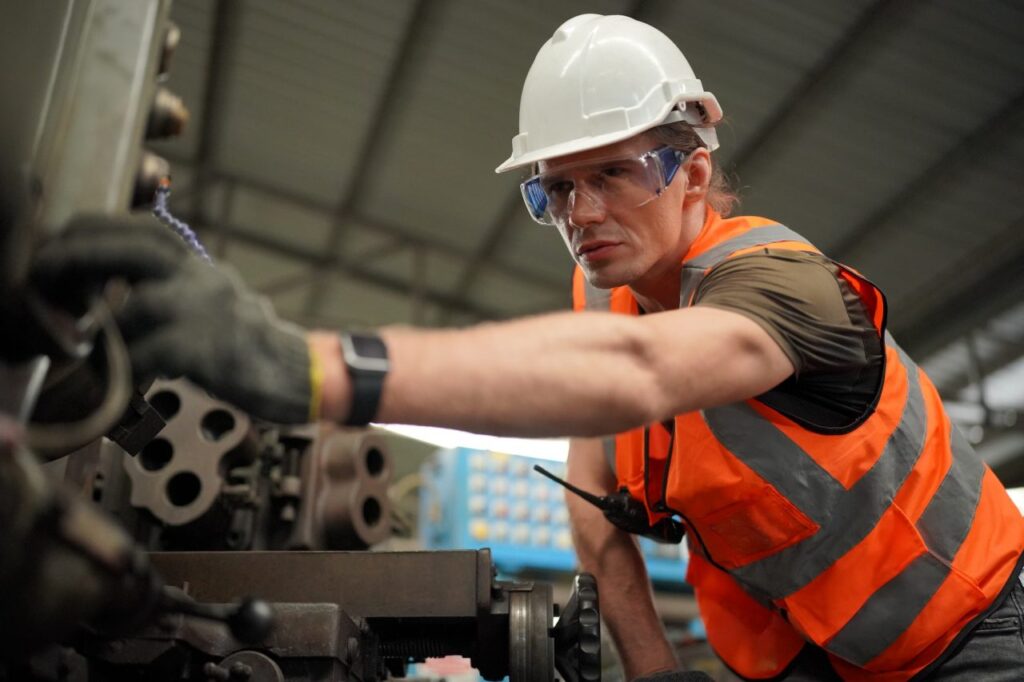
Factory floors maintain high output using standard machine minders. This shift reduces reliance on expensive CAD technicians.
AOE Expert Recommendation for Guigui Software Integration
Upgrading to an integrated software pipeline delivers a fast return on investment for any panel furniture manufacturer currently running CNC equipment. AOE advises factories producing more than two full custom kitchens per week to implement this digital solution.
The reduction in manual drafting errors and the gain in material yield justify the software transition within the first financial quarter. Interested parties should request demo sessions to see the live integration between design and machine.